Truck tires are essential for safety, performance, and fuel efficiency. Well-maintained tires prevent accidents, reduce wear, and save money in the long run.
Many drivers focus on the engine and cargo but forget that tires require consistent care. With simple tools and straightforward methods, truck tire maintenance can be easy and effective.
Proper maintenance keeps trucks running smoothly and improves overall safety.
Understand Your Truck Tires
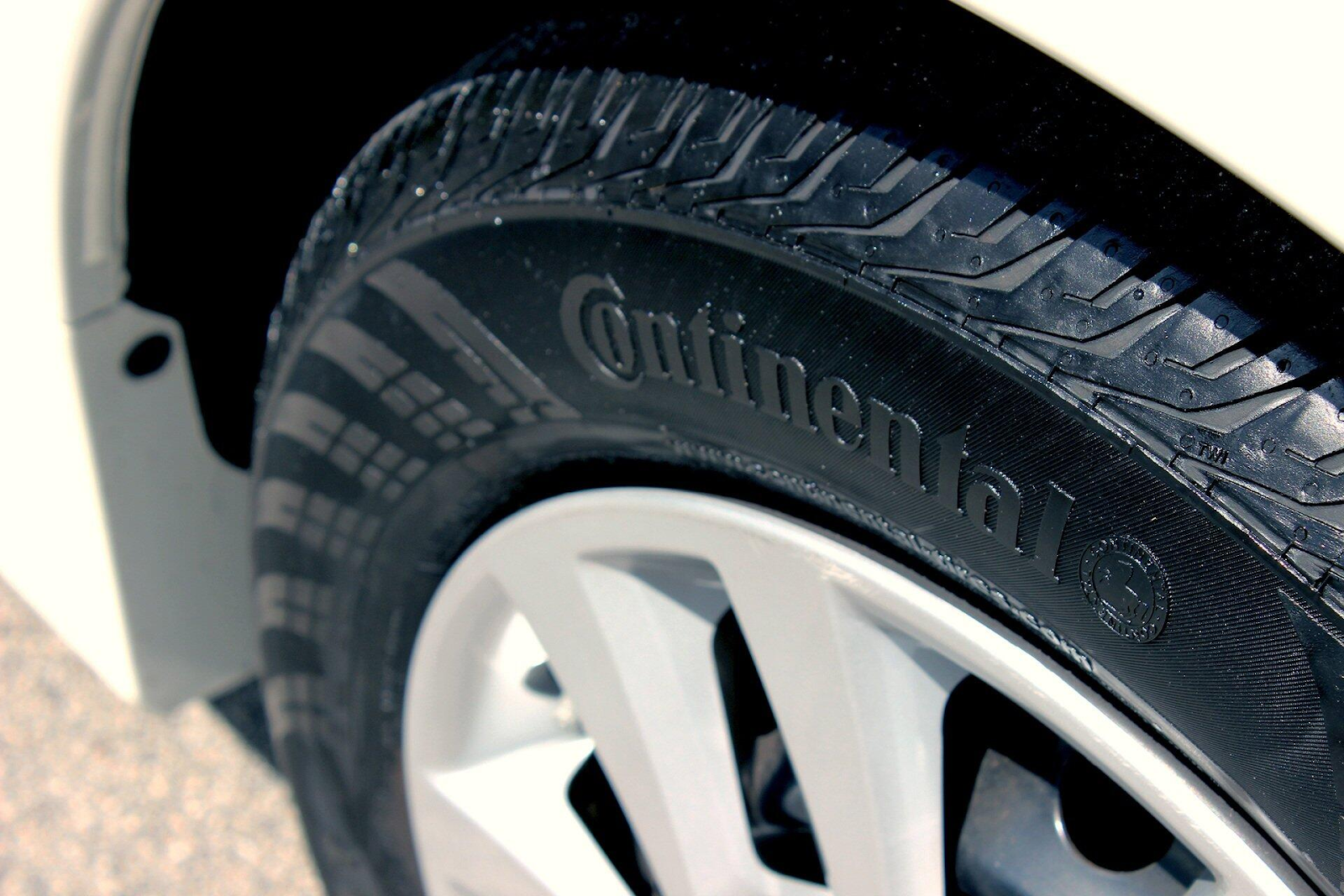
Knowing your truck tires is the first step in maintenance. Tires vary in size, type, and tread pattern. Some are designed for highways, while others are for off-road use. Tires also have weight ratings and speed limits printed on their sidewalls.
Understanding these details helps drivers choose the right tires for their truck and the loads they carry. Using the correct tire type improves handling, performance, and fuel efficiency.
It is also important to understand tire markings, including load indexes and speed ratings. These numbers indicate how much weight a tire can carry and the maximum speed it can safely handle.
Ignoring these details can lead to faster wear, decreased safety, and potential fines. Drivers should always check the manufacturer’s guide to ensure tires are suitable for their truck model and cargo weight.
Regular Visual Inspections
Visual inspections help detect problems early. Look for cracks, cuts, or punctures on the tire surface. Check for bulges, blisters, or uneven wear, which may indicate alignment or balance issues. Small problems can become serious if ignored.
Inspect the sidewalls, tread, and area around the rims. Small objects stuck in the tread, such as nails, stones, or screws, can cause slow leaks or punctures. Removing debris promptly prevents further issues.
Perform inspections before long trips, after heavy loads, and at regular intervals. Keeping a routine inspection checklist ensures nothing is overlooked.
Check Tire Pressure Frequently
Tire pressure affects safety, fuel efficiency, and tire lifespan. Underinflated tires wear faster on the edges and reduce fuel economy. Overinflated tires wear faster in the center and may lead to blowouts or loss of control.
Use a reliable tire pressure gauge to check all tires, including the spare. Check pressure when tires are cold, before driving, for accurate readings. Adjust the air level according to the manufacturer’s recommendation.
Consider using automatic tire pressure monitoring systems for easier tracking. Maintaining proper tire pressure improves handling, reduces fuel costs, and prevents unnecessary wear or accidents.
Rotate Tires for Even Wear
Rotating tires ensures even tread wear across all wheels. Front and rear tires experience different pressures and forces, leading to uneven wear over time. Rotating tires regularly prolongs their life and maintains better grip on the road.
Rotate tires every 6,000 to 8,000 miles, or as recommended by the truck manufacturer. A consistent rotation schedule reduces the need for early replacement.
Marking tires and following a rotation pattern helps track progress. Regular rotation also ensures that drivers notice any new problems or unusual wear patterns early.
Balance and Align Tires
Proper tire balance prevents vibration and uneven wear. Unbalanced tires create shaking that can damage suspension parts and reduce comfort. Wheel alignment ensures that tires point in the correct direction. Misaligned tires wear unevenly and can affect fuel efficiency and handling.
Have alignment and balance checked regularly, especially after tire replacement, heavy loads, or hitting potholes. Proper alignment improves vehicle stability, reduces tire wear, and saves money on maintenance. Balanced and aligned tires make driving safer and more comfortable on long trips.
Use the Right Tools
Maintaining truck tires requires the right tools. Essential tools include tire pressure gauges, torque wrenches, tread depth gauges, and jack stands. Air compressors or portable inflators make adjusting pressure easy.
Tire brushes and cleaning agents, such as Bandenzwart, help remove dirt, brake dust, and grime from tires and rims.
Using proper tools prevents damage to tires and ensures maintenance is done safely. Keep tools organized and in good condition for faster, more efficient work.
Investing in good quality tools reduces errors and allows drivers to perform basic maintenance without needing frequent professional help.
Monitor Tread Depth
Tread depth is crucial for traction and safety, especially in wet or icy conditions. Low tread increases stopping distances and reduces road grip. Worn tires can lead to dangerous situations, including hydroplaning.
Use a tread depth gauge to measure tire depth regularly. Replace tires when tread wears below the recommended level. Checking tread during inspections helps identify issues before accidents occur. Maintaining good tread improves fuel efficiency and makes driving safer, especially for long-haul truckers.
Clean Tires and Rims
Cleaning tires prevents debris buildup and corrosion. Dirt, salt, and brake dust can damage rubber and rims over time. Rinse tires with water, apply a gentle cleaner, and scrub with a soft brush.
Cleaning rims reduces rust and keeps lug nuts accessible for adjustments. Regular cleaning makes it easier to spot cracks or damage during inspections. Clean tires also improve the professional appearance of trucks, which is important for businesses.
Keep an Eye on Load Limits
Overloading tires reduces lifespan and increases the risk of failure. Always follow the truck and tire manufacturer’s weight limits. Distribute cargo evenly to prevent excessive pressure on specific tires.
Check weight regularly, especially when carrying heavy loads. Proper load distribution prevents uneven wear, blowouts, and accidents. Safe loading also extends the life of tires and reduces repair costs.
Record Maintenance Activities
Keeping a maintenance log helps track inspections, rotations, pressure checks, and replacements. Records allow drivers to anticipate service needs and prevent issues from being overlooked.
A simple notebook or digital app can store tire information, dates, and mileage. Regular records improve efficiency, save money, and reduce unexpected downtime. Drivers can also use logs to schedule professional check-ups.
Replace Tires at the Right Time
Even with proper care, tires eventually wear out. Replace tires when tread depth is too low, visible damage appears, or performance declines. Using worn or damaged tires increases the risk of accidents and reduces fuel efficiency.
Timely replacement ensures safety, maintains performance, and prevents costly repairs. Keep spare tires ready, and ensure replacements meet the manufacturer’s specifications.
Learn All About Truck Tire Maintenance
Proper truck tire maintenance is key to safety, performance, and cost savings. Regular inspections, correct pressure, rotation, balance, and alignment keep tires in good condition.
Using the right tools, checking tread depth, cleaning tires, and following load limits also help extend tire life. Keeping records and replacing tires when needed ensures trucks stay safe and reliable.
Visit our blog for more!