Astana Akmola Kazakhstan is more than a name; it’s a narrative of transformation, identity, and ambition. This city, once a modest military outpost, has grown into a dynamic and modern capital that reflects Kazakhstan’s evolving national vision. Positioned in the heart of the Eurasian steppe, Astana has redefined itself time and again, rooted in history yet forward-looking in design and purpose.
This article explores the journey of Astana Akmola Kazakhstan, uncovering the layers of its past, examining its geographic significance, and highlighting the features that make it a unique capital in Central Asia.
A Brief History of Astana (Formerly Akmola)
From Akmolinsk to Akmola
The origins of Astana Akmola Kazakhstan trace back to 1830, when a military settlement named Akmolinsk was founded by Russian imperial forces. The town was strategically located on the Ishim River, serving as a center for trade and regional administration. Over time, it developed a multicultural population, becoming a modest but vital hub in the Kazakh steppe.
Soviet Era and Industrial Development
During the Soviet Union’s Virgin Lands Campaign, Akmolinsk was renamed Tselinograd and became a focal point for agricultural expansion. This era brought industrial growth, new infrastructure, and urban planning. Educational institutions and cultural centers emerged, laying the foundation for the city’s transformation into what would eventually become Astana Akmola Kazakhstan.
Transformation into the Capital
In 1997, the government of Kazakhstan relocated the capital from Almaty to Akmola, renaming it Astana. This decision was strategic, symbolizing a new era for the country. As Astana Akmola Kazakhstan, the city became a symbol of progress, national unity, and ambition. The capital’s central location improved access and control across the vast territory of Kazakhstan.
Geography and Climate
Location and Physical Features
Situated in the northern part of Kazakhstan, Astana Akmola Kazakhstan occupies a central position that enhances its geopolitical importance. The Ishim River divides the city, while the surrounding flat steppe provides open space for expansion and development.
The city’s layout has been designed with modern planning principles, balancing residential zones, government districts, and cultural landmarks. The flat terrain allows for iconic architecture to dominate the skyline without obstruction.
Extreme Seasons and Weather Patterns
Astana experiences one of the most extreme continental climates among world capitals. Winters are long and harsh, with temperatures often below -30°C, while summers are hot and dry. Despite these challenges, the city’s infrastructure has adapted with resilient building practices and climate-responsive urban planning.
These environmental conditions add a unique layer to the identity of Astana Akmola Kazakhstan, shaping everything from public architecture to lifestyle.
Modern Astana: A Capital Reimagined
Architecture and Urban Design
The architectural style of Astana Akmola Kazakhstan reflects a blend of innovation and symbolism. International architects have collaborated with Kazakh designers to create landmarks that represent the country’s vision.
Key structures include:
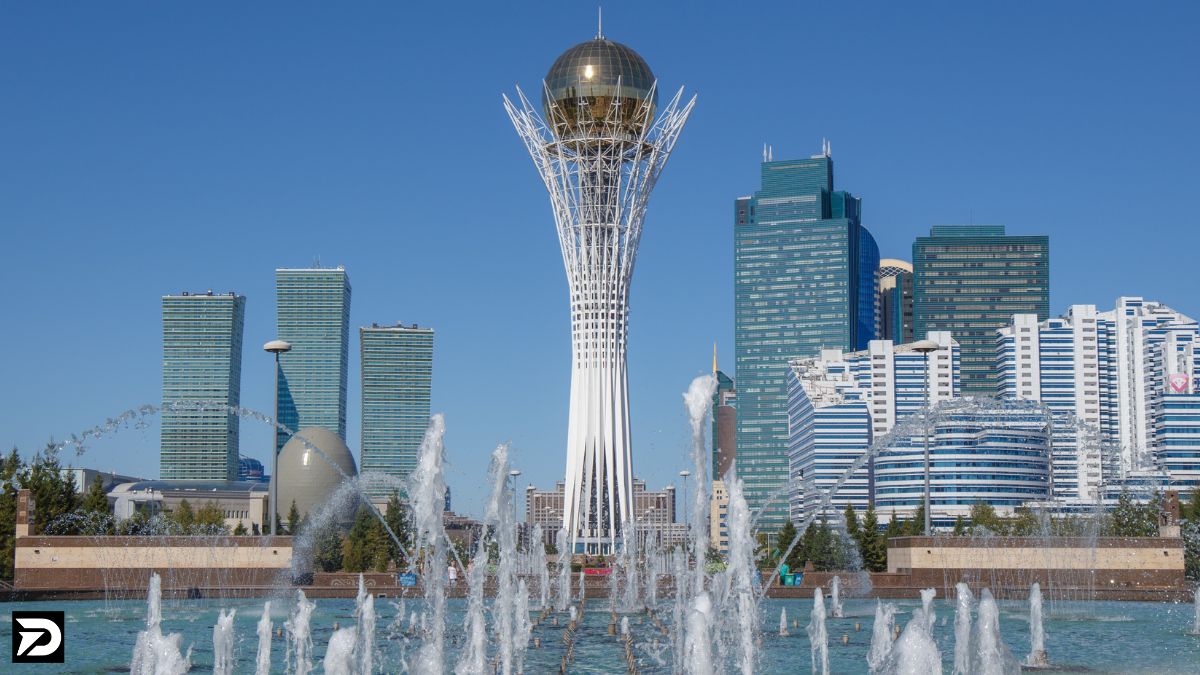
- Bayterek Tower – A national icon inspired by Kazakh folklore
- Khan Shatyr – A vast transparent tent offering commercial and recreational spaces
- Palace of Peace and Reconciliation – A pyramid-shaped building hosting global forums
These projects have made Astana Akmola Kazakhstan one of the most visually distinct cities in the region.
Political and Administrative Significance
Astana is home to Kazakhstan’s core government institutions, including the Presidential Palace, Parliament, and Supreme Court. Its design and infrastructure emphasize efficiency, security, and modern governance. By moving the capital to Astana, the government strengthened national unity and optimized administrative reach.
As the center of national decision-making, Astana Akmola Kazakhstan is also where key international diplomacy and policy discussions take place.
Economic Growth and Development
The capital has become a magnet for economic activity, with sectors like finance, construction, energy, and logistics seeing rapid expansion. The Astana International Financial Centre (AIFC) is central to positioning Astana Akmola Kazakhstan as a global business hub.
Government incentives and foreign partnerships have helped the city evolve into a model for sustainable urban development and economic innovation.
Culture, Education, and Tourism
Cultural Identity and Events
Cultural life in Astana Akmola Kazakhstan is vibrant and inclusive. Institutions like the National Museum, Astana Opera, and Kazakh State Philharmonic foster a strong cultural identity while hosting global artists and exhibitions.
Events such as Nauryz (spring festival), Independence Day, and Astana Day are celebrated with parades, concerts, and public activities that bring communities together and showcase Kazakh heritage.
Institutions of Higher Learning
Astana is a center for academic excellence. Leading institutions include:
- Nazarbayev University
- L.N. Gumilyov Eurasian National University
- Kazakh University of Technology and Business
These universities contribute to the city’s reputation as a hub for innovation, attracting scholars from across Central Asia.
Top Tourist Attractions
Tourism in Astana Akmola Kazakhstan is supported by a range of attractions:
- Bayterek Monument – Offers panoramic views and cultural insight
- Hazret Sultan Mosque – A masterpiece of Islamic architecture
- Nur Alem Pavilion (EXPO 2017) – A showcase of sustainable energy innovation
- Presidential Park and city embankments – Ideal for leisure and recreation
The city’s unique mix of tradition and modernity makes it a compelling destination for both domestic and international travelers.
Conclusion
Astana Akmola Kazakhstan exemplifies the vision of a modern nation anchored in historical depth and future aspirations. Its development as a political, economic, and cultural capital reflects Kazakhstan’s commitment to progress and unity.
From its roots as Akmolinsk to its role as a symbol of national pride, Astana Akmola Kazakhstan continues to evolve. It is a living example of how urban planning, heritage, and innovation can shape a capital that serves both its people and its place in the world.
FAQs
1. What is the historical origin of Astana?
Astana began as a military fort named Akmolinsk in 1830. It evolved through the Soviet era and became the capital of Kazakhstan in 1997.
2. Why is the city sometimes called Akmola?
Akmola was the city’s name before it was renamed Astana. The name reflects historical roots and regional identity.
3. How is Astana different from Almaty?
While Almaty remains Kazakhstan’s largest city and economic hub, Astana Akmola Kazakhstan serves as the political and administrative capital.
4. What is the climate like in Astana?
The city experiences a continental climate with very cold winters and hot summers, influencing daily life and city planning.
5. What are the top sites to visit in Astana?
Popular attractions include Bayterek Tower, Khan Shatyr, Hazret Sultan Mosque, and the Expo 2017 Pavilion.