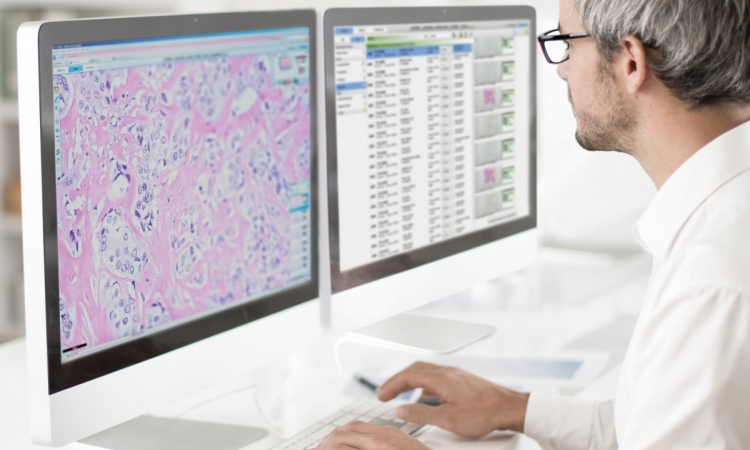
Preclinical studies are a key step in medical research, but they can be slow and complex. How can researchers improve speed without losing quality? Digital tools are changing how early research is planned, managed, and analyzed.
These tools help teams reduce errors, save time, and handle large amounts of data with ease. From experiment planning to final reports, digital systems support better decisions and smoother workflows. As technology grows, preclinical studies are becoming more reliable, organized, and efficient than ever before.
Digital Planning Tools for Smarter Study Design
Careful planning is the foundation of every successful preclinical study. Digital planning tools help research teams create clear, organized study designs that reduce confusion and wasted effort.
Improving Experimental Planning
Digital planning tools help researchers design studies with better structure and clarity. These platforms allow teams to map out timelines, define goals, and set clear steps before work begins. By visualizing the full process, researchers can spot gaps or risks early, which reduces confusion and limits changes later in the study.
Many tools include templates based on proven study models. These templates guide users through required steps while allowing flexibility. As a result, teams can stay consistent across studies while adapting to new needs. Better planning leads to smoother execution and fewer delays.
Reducing Errors and Rework
Mistakes in early planning can cause costly rework later. Digital tools reduce this risk by standardizing workflows and checks. Built-in alerts remind users of missing data or incomplete steps. This helps teams catch problems before experiments start.
Shared access also improves communication between departments. Everyone sees the same plan and updates in real time. This reduces misunderstandings and repeated tasks. With fewer errors, studies move forward faster and with more confidence.
Automation Tools Streamlining Laboratory Work
Laboratory work often involves repeated tasks that can slow progress when done manually. Automation tools bring speed and consistency to daily lab activities while lowering the risk of human error.
Faster and More Accurate Processes
Automation tools help labs complete routine tasks quickly and accurately. Digital systems can manage sample tracking, scheduling, and equipment use. This reduces manual work and lowers the chance of human error. When machines handle repeat steps, staff can focus on analysis and problem-solving.
Automated workflows also improve timing and consistency. Experiments run under the same conditions every time. This supports reliable results and easier comparisons across studies.
Better Use of Lab Resources
Digital automation tools help labs track resources in real time. Teams can see which equipment is in use and plan ahead. This avoids delays caused by scheduling conflicts or missing supplies. Better visibility supports smarter decisions.
Over time, data from these tools shows patterns in resource use. Labs can adjust staffing or ordering to match demand. This leads to cost savings and smoother operations.
Data Management Systems Ensuring Clean and Secure Records
Managing research data can become overwhelming as studies grow in size and complexity. Digital data management systems help teams store, organize, and protect information throughout the study lifecycle.
Organizing Large Data Sets
Preclinical studies produce large amounts of data from many sources. Digital data management systems store all information in one secure place. This makes it easier to organize, search, and review records. Clear data structure supports faster analysis and reporting.
These systems also allow links between experiments, samples, and results. Researchers can trace findings back to their source with ease. This improves transparency and trust in the data.
Supporting Data Integrity
Strong data systems protect against loss or changes. Access controls ensure only approved users can edit records. Automatic backups add another layer of safety. This protects valuable research work over long study periods.
Digital logs track every update and change. This creates a clear history for audits and reviews. Reliable data handling supports strong scientific outcomes.
Digital Analysis Tools Speeding Up Results
Analyzing large data sets by hand can delay important findings. Digital analysis tools allow researchers to process information faster while improving accuracy and clarity in results.
Faster Insights from Complex Data
Advanced analysis tools help researchers review data quickly. Software can process large data sets in minutes instead of weeks. Visual dashboards show trends and patterns clearly. This helps teams understand results without delay.
Faster analysis supports quicker decisions. Researchers can adjust studies sooner if needed. This saves time and reduces wasted effort.
Improving Accuracy and Confidence
Digital analysis tools reduce manual calculations and bias. Built-in models follow consistent rules every time. This improves accuracy across studies. Clear outputs also help teams explain findings with confidence.
Some platforms allow easy comparison between studies. This supports learning over time and better future planning. Reliable analysis strengthens the value of preclinical research.
Cloud Platforms Supporting Collaboration and Access
Modern preclinical studies often involve teams working across different locations. Cloud-based platforms make collaboration easier by allowing secure, real-time access to shared data and tools.
Real-Time Team Collaboration
Cloud-based tools allow teams to work together from different locations. Data and updates appear instantly for all users. This supports faster reviews and shared decisions. Teams no longer wait for files or emails.
Researchers can comment, flag issues, and suggest changes in one place. This keeps discussions focused and clear. Better collaboration leads to faster progress.
Secure and Flexible Access
Cloud platforms provide secure access with strong controls. Users can log in when needed without risking data safety. This is helpful for large teams or external partners.
One example is XenoSTART, which fits naturally into digital research environments by supporting smooth data access and structured workflows. Such tools help teams stay connected while maintaining high standards. Secure access supports efficient and modern research.
Digital Monitoring Tools Tracking Study Progress
Keeping a study on track requires constant oversight and timely updates. Digital monitoring tools provide clear visibility into progress, helping teams stay aligned with schedules and goals.
Keeping Studies on Schedule
Monitoring tools show study progress in real time. Dashboards display completed tasks, upcoming steps, and delays. This helps managers respond quickly to issues. Clear tracking supports better time control.
Teams can adjust plans before small delays become major problems. This keeps studies moving forward smoothly. Visibility supports accountability across teams.
Supporting Quality Control
Digital monitoring also helps track quality checks. Alerts notify teams if steps are missed or results fall outside limits. This allows quick corrections. Strong monitoring reduces the risk of failed studies.
Over time, monitoring data shows where improvements are needed. Teams can refine processes for future studies. Continuous improvement supports long-term success.
Reporting Tools Simplifying Documentation
Clear documentation is essential for sharing results and meeting regulatory needs. Digital reporting tools simplify the process by turning complex data into structured, easy-to-read reports.
Faster Report Creation
Digital reporting tools pull data directly from study systems. This reduces manual entry and saves time. Reports are created faster with fewer errors. Clear templates guide structure and language.
Standard formats also support easier review. Stakeholders can find key information quickly. Faster reporting speeds up decision-making.
Many platforms allow dynamic dashboards, letting researchers quickly generate summaries for meetings or funding updates. Automated graphs, tables, and charts reduce repetitive tasks and make findings easier to understand for team members, regulators, or external partners.
Supporting Compliance Needs
Preclinical studies must meet strict rules. Digital tools help ensure all required data is included. Checklists and validation steps reduce missing information. This supports smoother reviews.
Clear documentation also helps during audits. Teams can respond quickly with accurate records. Strong reporting tools support trust and efficiency.
In addition, digital tools often provide reminders for deadlines and mandatory submissions. These features make it easier to maintain compliance without overloading staff, while giving management confidence that all regulatory obligations are met.
Integrated Platforms Creating End-to-End Efficiency
Using separate tools for each study phase can slow down workflows. Integrated digital platforms bring all processes together, creating a smoother and more efficient research experience.
Connecting Tools and Workflows
Integrated platforms combine planning, data, analysis, and reporting in one system. This reduces switching between tools. Information flows smoothly from start to finish. Fewer handoffs mean fewer errors.
Teams benefit from a clear study view, supporting coordination and progress. Integration saves time and often includes workflow automation, such as automatically feeding experimental data into analysis. This speeds up completion and improves accuracy.
Building a Scalable Research Environment
As studies grow, digital platforms can scale with them. New tools or users can be added easily. This supports long-term research goals. Flexible systems adapt to changing needs.
A connected digital environment maintains team efficiency, ensures consistent quality, and speeds outcomes. Integration is essential for modern preclinical success, enabling organizations to store historical data for long-term analysis. This helps teams identify patterns, refine methods, and plan future studies more effectively, combining speed with strategic insight.
Start Enhancing Efficiency in Preclinical Studies with TheseDigital Tools Today
Digital tools are reshaping how preclinical studies are conducted. They help researchers plan better, work faster, and manage data with care. From automation to analysis, each tool plays a role in improving speed and reliability. When systems are connected, teams gain clear insight and stronger control over their work.
As research demands grow, digital solutions offer a practical way to meet goals without added stress. By adopting the right tools, preclinical studies can deliver accurate results while saving time and resources.
Explore other articles on our blog to discover insights across different topics.