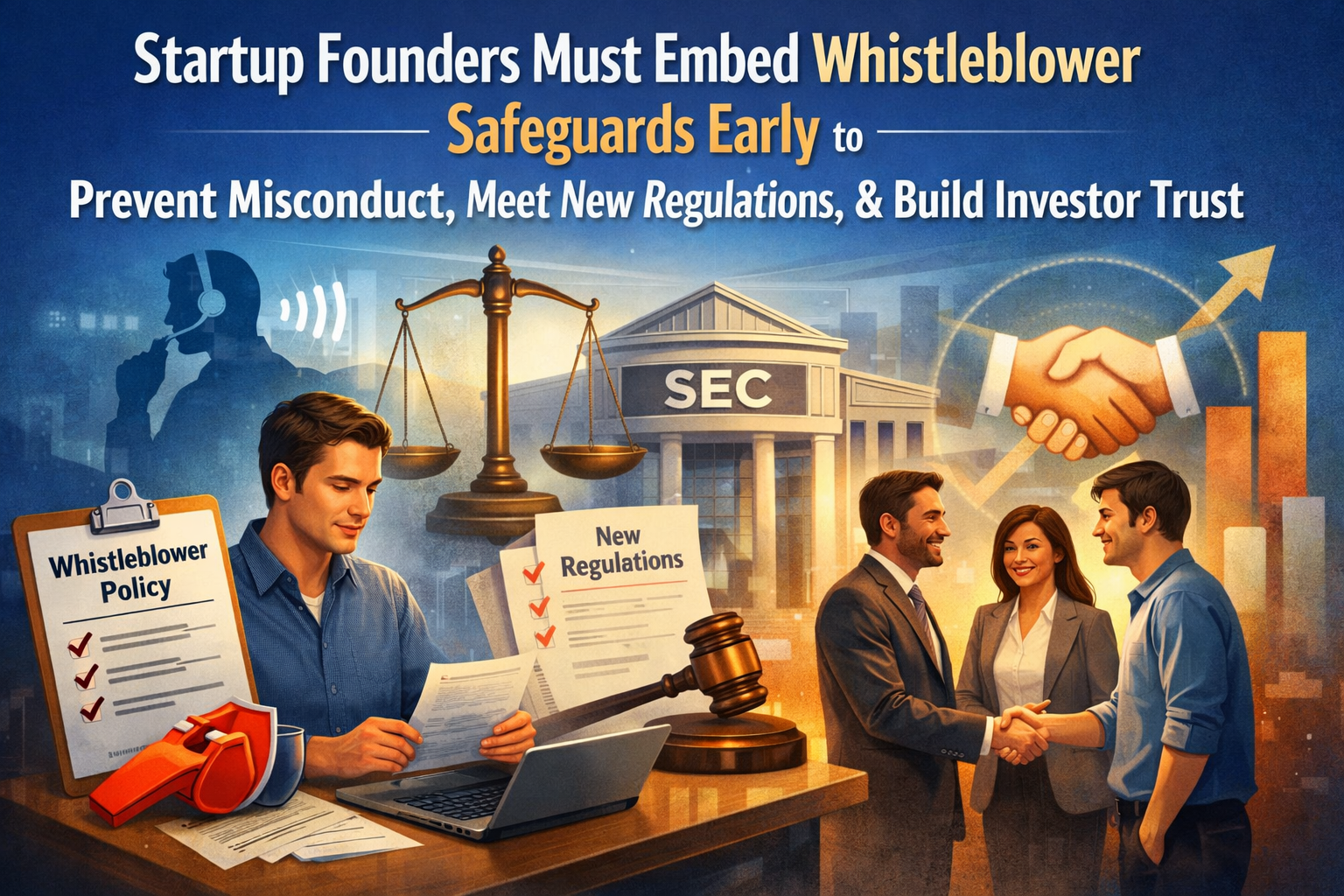
Rising misconduct scandals in fast-scaling ventures highlight the urgent need for entrepreneurs to embed ethical reporting mechanisms early. With 2025 seeing a surge in whistleblower tips leading to multimillion-dollar settlements, founders can turn potential crises into strengths by fostering trust from day one.
Recent Surge in Startup Exposures
High-profile cases rocked the startup world last year, exposing vulnerabilities that could doom even promising enterprises. A fashion tech CEO resigned amid accusations of squandering over $530 million in venture capital, sparking investor backlash and regulatory probes. Similarly, revelations of toxic cultures involving harassment and abuse at a major real estate firm led to leadership shakeups and public scrutiny.
These incidents underscore a broader trend: 4 in 10 companies faced misconduct in their operations or supply chains, according to a 2025 report. Entrepreneurs who ignore early warnings risk not just fines but the total loss of market confidence.
2026 Regulatory Shifts Demand Action
New laws amplify the stakes for business builders. The SEC Whistleblower Reform Act of 2025 now shields internal reporters from retaliation, overturning prior limits and applying retroactively to ongoing claims. This means employees voicing concerns to supervisors gain federal backing, pressuring startups to handle reports swiftly.
Corporate whistleblower tip lines exploded, with U.S. authorities logging over 300 actionable leads in months—nearly 40% of which warrant probes into priority fraud areas. Founders must adapt or face heightened enforcement.
Core Elements of Strong Protections
A solid whistleblowing policy starts with clear commitments to ethical reporting. It should affirm rights to anonymous disclosures without fear of reprisal, distinguishing serious violations like fraud from personal gripes.
Multiple channels boost participation: hotlines, apps, or portals ensure accessibility. Investigations follow structured steps—acknowledgment, fact-finding, resolution—with timelines to build credibility.
Involving neutral third parties in complex cases helps prevent bias. Regular training clarifies processes, empowering teams to spot issues early.
Building Trust in High-Growth Teams
Entrepreneurs thrive by cultivating openness, especially amid rapid hires. Anonymous options encourage candor, as seen in startups that publicly post policies to signal integrity to talent and funders.
Post-report updates keep reporters engaged and close the loop on actions taken. This transparency cuts escalation risks, preserving innovation momentum.
Legal counsel integration from the outset sidesteps pitfalls. Protected voices surface problems like kickbacks or false claims before they balloon into settlements topping $400 million.
Real-World Wins for Ethical Ventures
Forward-thinking founders reap rewards. Qui tam suits exposed phony U.S. manufacturing claims, yielding recoveries of $625,000. Tax evasion tips netted over $112 million in awards, with more pending.
Startups embracing these practices attract ethical investors and top performers wary of scandal-prone peers. Ethical cultures yield sustainable edges over unchecked rivals.
Steps Founders Take Today
Draft a policy outlining reportable issues, reporters (employees to vendors), and processes. Roll out via onboarding and handbooks.
Train quarterly on distinctions between complaints and violations. Audit channels yearly for usability.
Monitor trends like rising tips; integrate feedback loops. Consult experts for compliance amid evolving rules.
Future-Proofing Against Scandals
As 2026 unfolds, proactive safeguards become table stakes. Ventures with robust systems detect threats early, dodging collapses that felled giants.
Investors now probe reporting setups during diligence. Founders prioritize this, gaining resilience and turning potential whistleblowers into allies for enduring success.