Chinese search engines play a central role in how international brands gain visibility inside China. Search behavior, platform rules, and regulatory oversight shape every stage of brand discovery. Businesses entering this market need a clear understanding of how search ecosystems operate and how compliance affects reach.
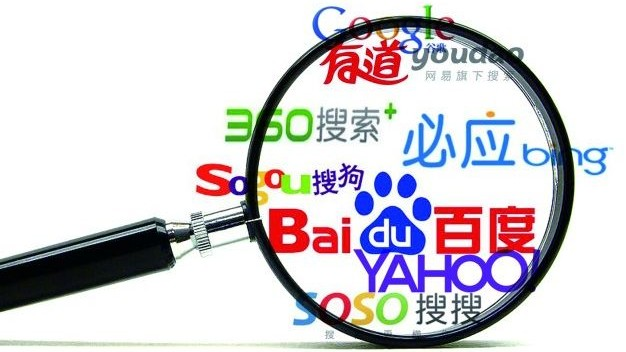
Baidu leads the Chinese search market. Industry reports often place Baidu market share above seventy percent. Users rely on Baidu for product research, service comparison, and brand verification. Search results influence trust and purchase intent. Brands without a structured search presence struggle to appear during early research stages.
Search engines inside China follow strict content controls. Algorithms prioritize approved domains, compliant messaging, and locally relevant information. International brands need alignment with Chinese regulations before search visibility improves. Regulatory compliance affects indexing, ranking stability, and account approval.
Website structure strongly influences discoverability. Chinese search engines favor fast loading pages, clean architecture, and simplified Chinese content. Hosting location affects performance. Mainland hosting improves speed and indexing but requires ICP registration. Many brands work with a china digital marketing agency to manage technical setup and regulatory filings.
Keyword strategy requires local insight. Direct translation often misses user intent. Chinese users search using brand names, functional descriptions, and industry specific terms. Keyword research based on local behavior improves alignment with real demand. Search engines reward relevance and clarity. Over optimization triggers review or ranking suppression.
Content credibility drives search trust. Chinese platforms value factual information, certifications, and transparent company details. About pages, contact information, and licensing disclosures support verification. Search results frequently display trust signals, including official badges and platform verified accounts. These elements influence click behavior.
Paid search advertising expands visibility but follows strict review processes. Baidu Ads require pre approval of ad copy, landing pages, and business documentation. Restricted industries face additional scrutiny. Claims require evidence. Non compliant ads face rejection or account suspension. Professional management reduces delays and compliance risk.
Organic search performance depends on consistent publishing. Educational articles, industry updates, and service explanations support authority building. Search engines reward content addressing specific user needs. Long form articles with clear structure perform well. Excessive promotional language reduces credibility and ranking stability.
Search engines integrate with other platforms. Baidu links results with Baidu Baike, Zhidao, Tieba, and Maps. Presence across this ecosystem improves brand exposure. Bake entries support brand legitimacy. Zhidao answers influence perception during research. A coordinated approach strengthens discovery across multiple touchpoints.
Mobile search dominates user behavior. Most Chinese searches occur on mobile devices. Search engines prioritize mobile friendly layouts and fast interaction. Responsive design and simplified navigation improve engagement. Page speed affects ranking and bounce rates. Technical optimization supports sustained visibility.
Data compliance influences long term performance. Search analytics involve user data collection. Chinese law requires transparency and secure handling. Privacy notices in Chinese language support compliance. Brands transferring analytics data outside China face additional requirements. Strong data governance protects operations and user trust.
Reputation management connects closely with search results. Reviews, news mentions, and forum discussions often appear alongside brand pages. Negative content affects perception during discovery. Proactive monitoring supports early response. Content publishing and engagement improve result balance over time.
International brands benefit from localized expertise. A china digital marketing agency brings knowledge of platform rules, user behavior, and regulatory standards. Agency teams manage keyword research, content planning, technical SEO, and paid search coordination. This support reduces risk and accelerates market entry.
Charlesworth Group works with international organizations seeking compliant digital visibility in China. Experience across regulated sectors supports accurate positioning and search strategy alignment. Structured planning improves discoverability while maintaining regulatory confidence.
Chinese search engines shape how brands appear, compete, and grow. Success depends on compliance, relevance, and consistency. Brands investing in local search strategy gain stronger visibility during key decision moments. Search presence built on trust and clarity supports sustainable growth inside China’s digital environment.