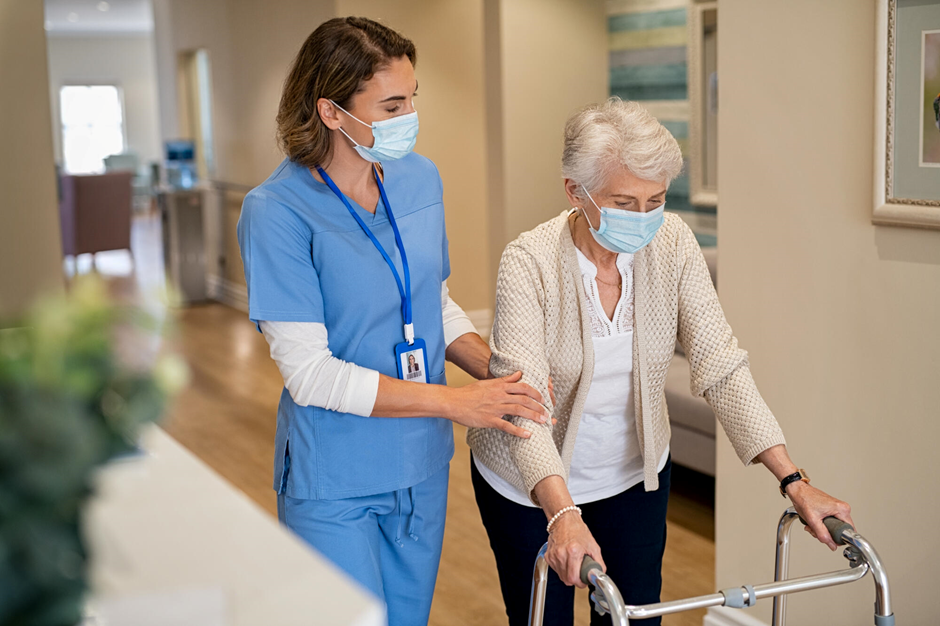
In recent years, technology has become a powerful tool that is changing many aspects of our lives. One area where we see this transformation is in home care services.
These services help people at home. This includes the elderly, those with disabilities, and anyone recovering from an illness. With the advent of new technologies, the way we provide care is becoming more effective and innovative.
Read on to learn how technology can help home care services.
Smart Home Devices Enhance Comfort and Safety
Smart home devices are changing the way we think about care at home. Smart devices like thermostats, lights, and security cameras can really help.
Smart thermostats can learn a person’s preferences. They help keep a comfortable temperature.
This is especially important for seniors, as they are more susceptible to extreme temperatures. Maintaining an optimal air temperature can improve overall well-being.
Furthermore, smart security systems can alert caregivers in case of unusual activity. For example, if a senior who usually gets up at a certain time does not wake up, the system can send alerts to family members or caregivers. This added safety layer provides peace of mind to family members and assures that help can be provided quickly if needed.
Telehealth is Changing How We Access Care
Telehealth has become a vital component of home care services. Virtual appointments can help with many health issues.
They let patients see healthcare professionals from home. This is especially beneficial for individuals with mobility issues or those living in remote areas. By using video calls and online platforms, patients can consult with doctors, nurses, and therapists efficiently.
Telehealth can save time and reduce the stress of travelling to appointments. The use of telehealth increased during the pandemic, showing its importance and effectiveness. Telehealth also opens up opportunities for personalized care plans that can be managed from home.
Wearable Technology for Health Monitoring
Wearable technology, such as fitness bands and smartwatches, is gaining popularity in home care. These devices can monitor vital signs like heart rate, oxygen levels, and physical activity.
This info is vital for caregivers. They can track a person’s health and react quickly to any worrying changes.
For example, if a patient’s heart rate goes above or below a safe level, the device may alert caregivers immediately. Patients using wearable technology reported feeling safer and more in control of their health.
This technology promotes independence. It helps people stay active, which improves their quality of life.
Improving Air Quality in Home Care Environments
Another essential aspect of home care services is ensuring a healthy living environment. Technology can enhance air quality, which is vital for the well-being of anyone with respiratory issues.
Air purifiers and smart air quality monitors make breathing easier. They filter out pollutants and allergens.
Better air quality can improve health. This is especially true for seniors and people with pre-existing conditions.
Good indoor air quality can significantly reduce asthma symptoms and improve overall comfort levels in the home. Care providers can use this information to make adjustments that will benefit their clients.
Robotics in Home Care Services
Robotic technology is still evolving, but it is making strides in home care services. Robots can assist with daily tasks, such as medication reminders and even basic physical support. For instance, some robots can help people with mobility issues by providing stability while walking or assisting in lifting heavier objects.
These robots may also serve as companions, reducing feelings of loneliness and isolation among seniors. Interacting with social robots can enhance emotional well-being and make individuals feel less lonely. By integrating robotic technology into home care, we can enhance both safety and quality of life.
Communication Tools Foster Connection and Support
Advancements in communication tools have made it easier to connect with loved ones and caregivers. Video calling applications and instant messaging platforms enable individuals to keep in touch with family, friends, and healthcare providers without any hassle. Regular communication has proven to improve mental health, reducing feelings of isolation and loneliness.
Older adults who engage in regular online communication feel more connected and happier. By fostering connection through technology, home care services can significantly enhance the emotional well-being of clients.
Benefits of Live-In Care Services in Wellington
One of the most effective ways to offer comprehensive home care is through live-in care services. These services provide dedicated support and companionship for individuals in the comfort of their own homes.
For families considering options for their loved ones, live in care Wellington can make all the difference. A caregiver available 24/7 provides care that fits the person’s needs and schedule. This setup improves health outcomes.
Caregivers are always there to help with medication, meals, and daily activities. More importantly, it allows for a more personalized and familiar environment, which promotes comfort and emotional well-being.
The Future of Home Care Services
Looking ahead, technology will continue to impact home care services. Innovations like artificial intelligence (AI) and machine learning are coming soon.
Personalized and Predictive Care Solutions
Advanced technologies promise more personalized care tailored to each individual’s health profile. AI-powered systems can monitor vital signs, detect changes early, and support preventive care. This approach allows caregivers to provide timely interventions and improve long-term health outcomes.
Ongoing Research and Innovation
Research into technology-driven caregiving continues to reveal exciting new possibilities. These studies aim to improve patient safety, independence, and quality of life at home. As findings evolve, home care providers can adopt more effective and evidence-based solutions.
Training the Caregivers of Tomorrow
Caregiver training programs will increasingly include education on new and emerging technologies. This ensures caregivers are confident using digital tools, monitoring systems, and smart devices. With proper training, caregivers can deliver more efficient, compassionate, and informed care.
Embracing Technology for a Better Future
Technology is paving the way for transformative changes in home care services by improving safety, communication, and health outcomes. With smart devices, telehealth, wearable technology, and improved air quality solutions, care at home is becoming more effective than ever.
The integration of technology in home care not only enhances the quality of life for individuals but also empowers caregivers to provide their best support. As we embrace these advancements, we can look forward to a brighter future in the realm of home care services that prioritize health, safety, and connection.
If you’d like to learn more about what we have to offer, then feel free to visit our website and read more.