Managing breakouts when you have sensitive skin can feel challenging. Many acne products contain active ingredients that are effective but may also cause dryness, redness, or irritation if not used carefully. Choosing the right acne lotion for sensitive skin and applying it correctly is essential for achieving clearer skin without triggering flare-ups. Below are practical, dermatologist-informed tips to help you use acne treatment products safely and effectively.
Understand Your Skin Type First
Sensitive skin reacts more easily to skincare products, environmental factors, or harsh ingredients. Common signs include:
- Redness or flushing
- Stinging or burning sensations
- Dry patches
- Itching or tightness
Before starting any acne treatment, confirm that your skin is both acne-prone and sensitive. This helps you select a lotion formulated with gentle, soothing ingredients rather than aggressive exfoliants.
Choose the Right Acne Lotion

Not all acne products are suitable for sensitive skin. Look for formulas that are:
- Fragrance-free
- Alcohol-free
- Non-comedogenic (won’t clog pores)
- Dermatologically tested for sensitive skin
Gentler active ingredients often recommended include low-strength salicylic acid, azelaic acid, or benzoyl peroxide in lower concentrations. Avoid combining multiple strong actives at once, especially when first starting treatment.
Perform a Patch Test
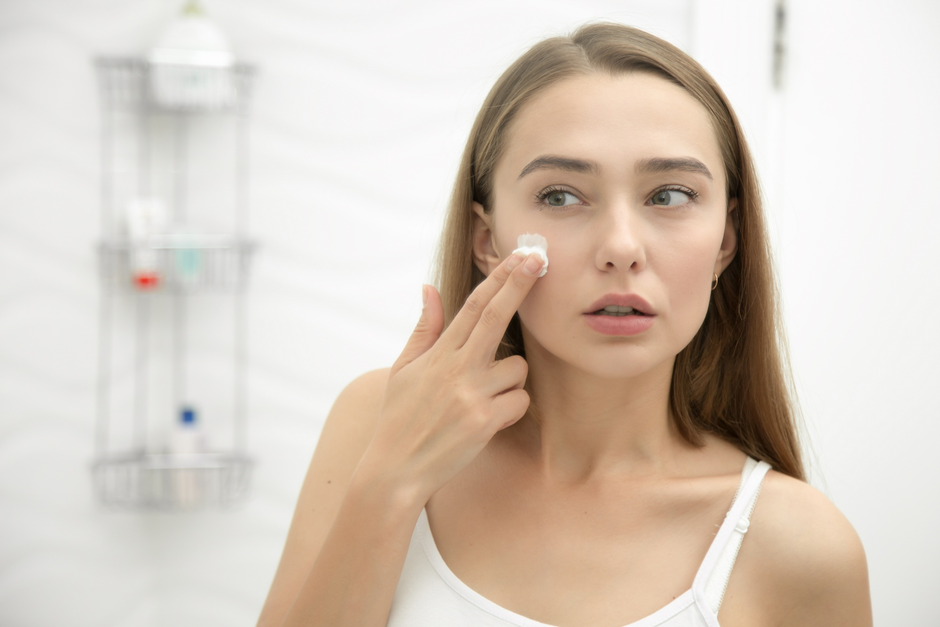
Before applying any new acne lotion for sensitive skin to your entire face, conduct a patch test. Apply a small amount behind your ear or on the inner forearm and wait 24 hours. If no redness, itching, or irritation occurs, the product is more likely to be safe for facial use.
Patch testing helps prevent widespread reactions and protects delicate skin.
Start Slowly
When introducing a new acne treatment, begin with limited use. Instead of applying daily, start:
- Once every other day
- Or two to three times per week
Gradually increase frequency as your skin builds tolerance. Sensitive skin often needs time to adapt to active ingredients. Starting slowly reduces the risk of irritation and dryness.
Apply on Clean, Dry Skin
Always cleanse your face with a gentle, non-foaming cleanser designed for sensitive skin before applying acne lotion. Pat your skin dry with a soft towel and wait a few minutes to ensure it is completely dry. Applying active ingredients to damp skin can increase absorption and potentially intensify irritation.
Use lukewarm water rather than hot water, as heat can worsen sensitivity and inflammation.
Use a Pea-Sized Amount
More product does not mean better results. Using excessive acne lotion can damage the skin barrier and increase irritation. A pea-sized amount is typically enough for the entire face.
Apply a thin, even layer rather than spot-applying large amounts unless instructed otherwise by a dermatologist.
Follow with a Gentle Moisturiser

Moisturising is essential when using acne treatment products, even if your skin feels oily. Sensitive skin is especially prone to dryness and barrier disruption. After applying acne lotion and allowing it to absorb, use a lightweight, fragrance-free moisturiser to:
- Restore hydration
- Protect the skin barrier
- Reduce peeling or flaking
- Minimise irritation
A healthy skin barrier helps acne treatments work more effectively.
Avoid Mixing Too Many Active Ingredients
Using multiple acne treatments simultaneously can overwhelm sensitive skin. Avoid combining:
- Retinoids with benzoyl peroxide
- High-strength exfoliating acids
- Multiple chemical exfoliants
Layering too many active ingredients increases the risk of redness, burning, and long-term sensitivity. Introduce one product at a time and monitor your skin’s response.
Protect Your Skin with Sunscreen
Many acne treatments increase sun sensitivity. Without protection, your skin may become more irritated or prone to pigmentation. Apply a broad-spectrum SPF 30 or higher sunscreen daily, even on cloudy days.
Choose a mineral-based sunscreen if your skin reacts easily to chemical filters. Sun protection is especially important when using exfoliating or cell-turnover-enhancing products.
Watch for Warning Signs
While mild dryness or slight tingling may be normal during the first few weeks, stop using the product and consult a professional if you experience:
- Severe redness
- Swelling
- Blistering
- Persistent burning
- Worsening breakouts
These signs may indicate irritation or an allergic reaction.
Maintain a Simple Skincare Routine
Sensitive, acne-prone skin benefits from simplicity. A basic routine typically includes:
- Gentle cleanser
- Acne lotion for sensitive skin
- Lightweight moisturiser
- Sunscreen (morning only)
Avoid adding unnecessary serums, exfoliants, or harsh scrubs while your skin adjusts. Keeping your routine minimal reduces the chance of irritation.
Be Patient and Consistent
Acne treatment takes time. Results typically appear after several weeks of consistent use. Frequently switching products can irritate sensitive skin and delay improvement.
Stick with a suitable product for at least four to six weeks unless irritation occurs. Gradual improvement is more sustainable than aggressive treatment that compromises skin health.
Consider Professional Guidance
If your acne persists despite careful use of over-the-counter products, consult a dermatologist. Prescription treatments may be tailored specifically for sensitive skin and can provide controlled, effective results with medical supervision.
Professional advice ensures that you are not over-treating or damaging your skin barrier while attempting to manage breakouts.
Final Thoughts
Applying acne lotion for sensitive skin safely requires patience, proper technique, and thoughtful product selection. By starting slowly, using small amounts, moisturising regularly, and protecting your skin from the sun, you can treat breakouts without triggering irritation.
A balanced approach to acne treatment focuses not only on clearing blemishes but also on maintaining a healthy skin barrier. With careful application and consistent care, sensitive skin can become clearer, calmer, and more resilient over time.