Choosing a career in pediatric medicine means signing up for one of the most rewarding journeys in healthcare, making a real difference during the years that shape a child’s entire future. Working with young patients isn’t just about medical knowledge; it’s about blending clinical expertise with patience, exceptional communication skills, and a genuine love for helping kids thrive. Pediatric medicine branches into numerous specializations, each tackling different aspects of child health and development in unique ways. If you’re drawn to this fulfilling career path, understanding the various subspecialties can help you navigate your educational journey and make informed professional choices. Let’s explore four distinct types of pediatric medicine that offer deeply satisfying careers for those passionate about children’s healthcare.
Pediatric Dentistry and Oral Health
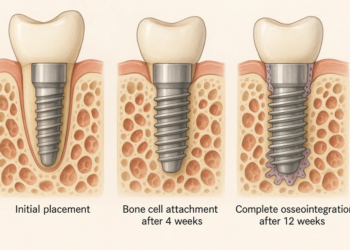
Pediatric dentistry stands out as a specialized field dedicated entirely to protecting and improving children’s oral health from those first baby teeth through the teenage years. This specialty goes far beyond regular dental care, it focuses on prevention, treating dental diseases, and addressing developmental concerns related to teeth and jaw formation. Pediatric dentists don’t just complete dental school and call it done; they push through additional residency programs that prepare them to handle the distinct psychological and physiological needs of young patients who might be scared, wiggly, or both. These specialists excel at creating welcoming, child, friendly environments that transform potentially frightening dental visits into positive experiences that shape lifelong attitudes toward oral health. They handle everything from routine cleanings and cavity prevention to more complex challenges like orthodontic issues and emergency dental trauma requiring immediate attention. When parents seek specialized care for their children’s oral health, a pediatric dentist in San Diego provides comprehensive services carefully tailored to each developmental stage. Beyond treating individual patients, pediatric dentists invest significant time educating parents about proper oral hygiene practices, how nutrition impacts dental health, and effective strategies for managing common childhood dental habits like thumb, sucking or nighttime teeth grinding.
Pediatric Cardiology
Pediatric cardiology focuses on the intricate world of diagnosing and treating heart conditions in children, from tiny newborns with congenital heart defects to teenagers dealing with acquired cardiac diseases. This highly specialized field demands physicians complete additional fellowship training after already finishing pediatric residency, developing expertise in interpreting pediatric echocardiograms, electrocardiograms, and other sophisticated cardiac imaging studies. Pediatric cardiologists encounter patients facing conditions that range from relatively simple heart murmurs to complex congenital abnormalities requiring delicate surgical intervention. These specialists don’t work in isolation, they collaborate closely with pediatric cardiac surgeons, interventional cardiologists, and multidisciplinary healthcare teams to provide comprehensive care for children navigating heart conditions.
Pediatric Emergency Medicine
Pediatric emergency medicine blends the adrenaline-fueled nature of emergency care with specialized knowledge of childhood illnesses, injuries, and developmental considerations that make treating kids fundamentally different from treating adults. Physicians in this field must make lightning-fast diagnostic decisions while managing acute medical crises, traumatic injuries, and life-threatening conditions in patients ranging from fragile premature infants to young adults. This specialty demands dual board certification in both pediatrics and emergency medicine, ensuring physicians possess comprehensive training across both domains, no small feat. Pediatric emergency medicine specialists typically work in emergency departments of children’s hospitals and general hospitals with dedicated pediatric emergency units equipped to handle young patients.
Pediatric Oncology
Pediatric oncology represents one of the most emotionally demanding yet profoundly rewarding subspecialties within pediatric medicine, focusing on diagnosing and treating childhood cancers that present differently from adult malignancies. These specialists care for children battling leukemia, lymphoma, brain tumors, and various solid tumors, providing both cutting-edge medical treatment and comprehensive supportive care throughout every stage of the cancer journey. Pediatric oncologists complete extensive fellowship training following pediatric residency, gaining deep expertise in chemotherapy protocols, understanding genetic factors behind childhood cancers, and managing complex treatment side effects that can impact growing bodies. The field has witnessed truly remarkable advances in recent decades, with survival rates for many childhood cancers improving dramatically through innovative treatments, targeted therapies, and carefully designed clinical trials.
Developmental and Behavioral Pediatrics
Developmental and behavioral pediatrics addresses the cognitive, emotional, and behavioral aspects of child development, serving children navigating conditions like autism spectrum disorder, attention-deficit/hyperactivity disorder, learning disabilities, and developmental delays that impact daily functioning. Specialists in this field conduct comprehensive evaluations to identify developmental concerns early, create highly individualized treatment plans, and coordinate services across educational and therapeutic settings where children spend their days. These physicians work closely with families to understand the roots of behavioral challenges, provide guidance on effective parenting strategies backed by evidence, and connect children with appropriate resources including occupational therapy, speech therapy, and educational support services. The subspecialty requires extraordinary patience, sharp observational skills, and the ability to interpret complex patterns of behavior within proper developmental contexts rather than jumping to conclusions.
Conclusion
Pediatric medicine offers incredibly diverse career paths for healthcare professionals genuinely committed to improving children’s health and wellbeing in meaningful ways. Whether you’re drawn to dental care, cardiology, emergency medicine, oncology, or developmental pediatrics, each subspecialty provides unique opportunities to positively impact young lives during their most vulnerable and formative years. These careers demand extensive education, specialized training that goes well beyond basic medical school, and genuine dedication to working with children and their families through various health challenges, both routine and extraordinary. Medical professionals considering pediatric specializations should thoughtfully evaluate their interests, natural strengths, and long, term career goals to identify which path aligns best with their professional aspirations and personal values.