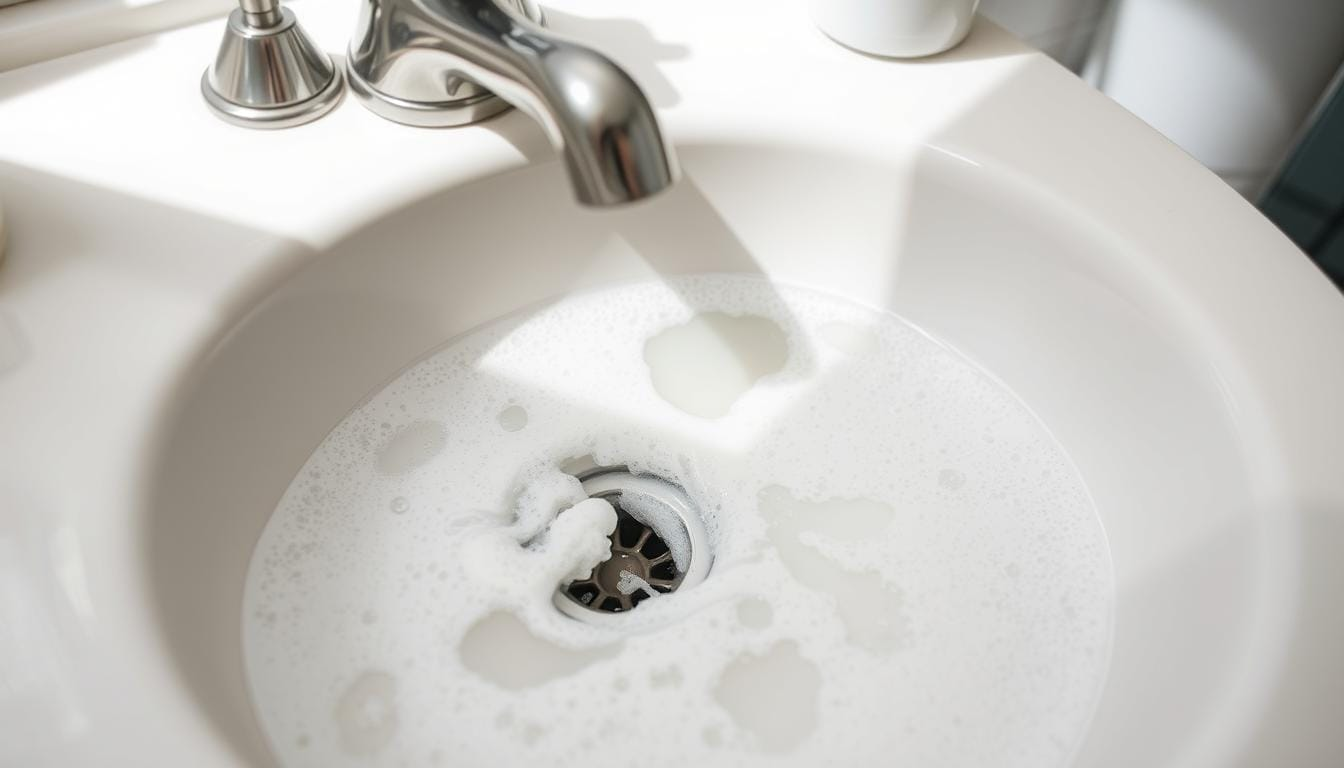
When one drain slows down, it is easy to treat it as a small local issue. A bathroom basin may have hair in the waste, a kitchen sink may have grease in the pipe, or a laundry trough may have lint and detergent buildup. But when every drain in your home starts slowing at the same time, the problem is usually more serious than a single blocked sink or shower.
Slow drainage throughout the house often indicates a restriction in the main drainage line. This is the pipe that carries wastewater away from several fixtures. When it becomes partly blocked, water from toilets, showers, sinks, baths, and laundries can struggle to move through the system properly.
This kind of issue needs attention because it can move from inconvenience to wastewater backup quickly. The earlier you understand the signs, the easier it is to stop the problem before it affects floors, walls, cupboards, and outdoor areas.
Why Multiple Slow Drains Matter
A single slow drain usually means the blockage is close to that fixture. Multiple slow drains suggest the issue is sitting further down the system, where several pipes connect. This may be in a branch line or in the main sewer line that carries wastewater away from the property.
You may first notice the shower filling with water while you are washing, the toilet taking longer to flush, or the kitchen sink draining slowly after normal use. If the laundry, bathroom, and kitchen all seem affected, the system is giving you a clear warning.
A main line blockage can restrict flow from the entire home. Water may still move through the pipe, but not fast enough to keep up with normal use. This creates pressure in the system and can cause gurgling, bubbling, smells, or water rising in other drains.
The Difference Between a Fixture Blockage and a Main Line Problem
A fixture blockage is usually limited to one area. For example, a shower drain blocked with hair will affect that shower but may not change how the kitchen sink or toilet performs. A kitchen sink packed with grease may smell bad and drain slowly, but the bathroom may still work normally.
A mainline issue behaves differently. Because several fixtures rely on the same drainage path, symptoms can appear across the house. You might flush the toilet and hear gurgling in the shower. You might empty the bath and notice water rising near a floor waste. You might run the washing machine and smell wastewater in the bathroom.
These symptoms suggest the plumbing system is not breathing or draining properly. A blocked drains plumber can inspect the system and work out whether the problem sits in one local pipe or further along the main drainage line.
Common Causes of Whole House Drainage Problems
Whole-house drainage problems can develop for several reasons. Tree roots are one of the most common causes in older areas. Roots search for moisture and can enter pipes through small cracks, loose joints, or damaged sections. Once inside, they grow and trap waste, toilet paper, grease, and silt.
Older pipes can also crack, sag, or collapse. Clay pipes are especially common in many established suburbs, and they can become vulnerable over time. Ground movement, age, heavy vehicle pressure, and poor past repairs can all affect underground drainage.
Another cause is heavy buildup inside the pipe. Grease, soap residue, sludge, and foreign objects can collect over the ears. Wet wipes, sanitary products, paper towels, cotton pads, and nappies should never go into toilets, but they often contribute to serious blockages when they do.
Why the Problem Can Seem to Come and Go
Mainline blockages do not always stop drainage completely at first. In many cases, the pipe is only partly restricted. Water can still pass through when usage is light, but the system struggles when several fixtures are used close together.
This is why the issue may seem worse in the morning when showers, toilets, and kitchen sinks are used around the same time. It may also appear during laundry cycles when a washing machine releases a large volume of water quickly.
After some time, water may drain away slowly and make the problem seem less urgent. That does not mean the blockage has cleared. It often means the water has slowly passed through a narrow opening. The same restriction remains and may worsen with the next heavy use.
Signs You Should Not Ignore
Several signs suggest your drainage problem needs professional attention. Slow drainage in several areas is one of the clearest warnings. Gurgling from drains after flushing a toilet is another. Bad smells from floor wastes, sinks, or outdoor drains can mean waste is trapped in the system.
Water backing up into showers, baths, or floor wastes is more serious. This means wastewater is not moving away correctly and is finding another route. If this happens, you should avoid using the affected fixtures until the problem has been checked.
Outdoor overflow points may also show signs of trouble. If you see wastewater pooling outside, hear bubbling from an inspection opening, or notice damp patches near sewer access points, the blockage may already be affecting the main line.
Why Camera Inspection Helps
Guessing is not enough when several drains are involved. Clearing one drain may not solve the issue if the blockage is deeper. A CCTV drain camera can show the inside of the pipe and identify the actual cause.
The camera can reveal tree roots, cracks, broken joints, collapsed sections, grease buildup, foreign objects, or pipe sagging. This helps the plumber choose the right solution instead of relying on repeated clearing.
For many homes with blocked drains Adelaide issues, camera inspection is the difference between a temporary fix and a proper repair plan. It can also show whether the pipe needs cleaning, root cutting, relining, replacement, or further investigation.
What You Can Do Before the Plumber Arrives
If every drain in the house is slow, avoid pouring more chemicals into the system. Chemical cleaners may not reach the main blockage and can create safety risks for anyone working on the drain later.
Limit water use until the issue is checked. Avoid running the washing machine, dishwasher, bath, or taking long showers if wastewater is backing up. Do not flush anything except toilet paper, and avoid using multiple fixtures at once.
Take note of what happens when each fixture is used. For example, does the shower gurgle when the toilet flushes? Does the laundry drain affect the bathroom? These details can help the plumber locate the issue faster.
Conclusion
When every drain in your house is slow, it is rarely a coincidence. The issue may be in the main drainage line, and it can quickly become messy, costly, and disruptive if ignored. Slow drainage, gurgling, bad smells, and water rising in other fixtures all point to a system that needs proper diagnosis.
A professional inspection can show whether the cause is tree roots, collapsed pipework, grease buildup, or a partial blockage deep in the line. If several drains are affected, do not keep treating them as separate problems. Book a drainage inspection and get the main cause identified before wastewater backs up into your home.