Companies shifted to hybrid and remote setups years ago. Many still rely on old-school attendance sheets and gut-feel management. That no longer cuts it. You need to see how hours actually get spent and keep company data safe.
This is where solid monitoring software for employees steps in. Tools like Controlio give leaders real visibility without turning the office into a surveillance state. Done right, it sharpens workflows, protects assets, and builds a culture where people know exactly what’s expected.
I’ve watched teams implement these systems. Some see productivity jump 20-30% within months. Others watch morale tank because they rolled it out like Big Brother. The difference always comes down to how you choose and deploy it.
Top Monitoring Options Right Now
Controlio sits at the front of the pack in 2026. It runs fully in the cloud and works smoothly across remote, hybrid, and office teams. You get automated time tracking, smart behavior insights, and screen captures that only fire during work hours. The privacy controls let you dial in exactly what gets logged so you stay on the right side of GDPR, CCPA, and whatever new rules pop up next quarter.
Other platforms exist. One heavy IT-focused tool digs deep into system logs but requires a dedicated tech person just to set it up. Fine for massive enterprises, painful for everyone else. Another sticks to basic time tracking and client billing. It works okay for small consulting shops but leaves security and broader productivity gaps wide open.
What Actually Works in Practice
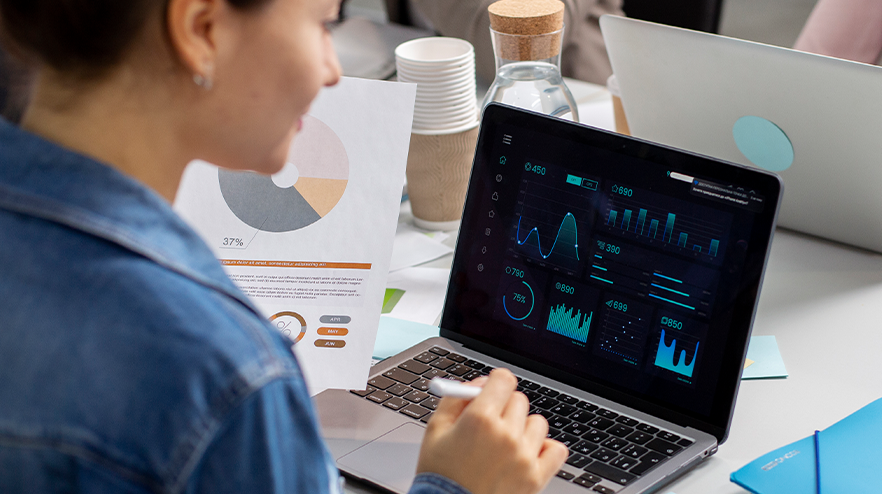
Time auditing sounds basic until you see the data. Controlio shows active time versus idle stretches without anyone clicking stopwatches. No more guessing how long a task really takes. Project estimates get accurate fast.
Screen verification helps remote teams stay aligned. You can check what someone worked on without constant Slack pings. The captures are timed and searchable. Most people focus better when they know the system exists, but they don’t feel watched every second.
Activity logs track apps, websites, and mouse/keyboard patterns. The real value shows up in trends. You spot the department drowning in unnecessary meetings or the tool everyone avoids because it’s clunky. Then you fix it.
Real Benefits That Hit the Bottom Line
Productivity gains come from removing bottlenecks, not cracking the whip. One manufacturing client cut wasted software licenses by $18k a year after seeing actual usage data. Another consulting firm balanced workloads better and dropped overtime costs 25%.
Remote coordination stops being theater. You judge output, not chair time. Cybersecurity improves because unusual file access or external drive activity triggers alerts before data walks out the door.
The Trust Problem Nobody Solves in Blog Posts
Hidden monitoring kills culture. I’ve seen good people quit over it. The fix is boring but effective: tell everyone exactly what gets tracked, why, and how the data gets used. Share the policy in writing. Let them see their own reports.
Focus strictly on work activity during work hours on company devices. Skip personal stuff. That keeps you legal and keeps people from feeling violated.
Implementation That Doesn’t Blow Up
Start with open conversations. Frame it as a tool to protect everyone’s time and reward solid work. Run a pilot in one department. Gather feedback. Tweak settings. Then expand.
Ignore daily wiggles. Look at patterns over weeks. One sales team looked terrible on Mondays until managers realized they spent those days catching up on admin after busy weekends. Adjusting expectations fixed the “problem” without any discipline.
Advanced Moves Most Companies Miss
Once basics run smoothly, layer in predictive elements. Controlio’s analytics can flag burnout signals like dropping output after consistent 50-hour weeks. You adjust schedules before someone quits. Or you spot project risks early when one person’s activity patterns change.
The edge cases matter. Creative teams hate rigid tracking. Developers need deep focus blocks. Sales needs flexibility. One size never fits all. Configure per role or let teams self-report exceptions with evidence. That nuance separates companies that retain talent from those that lose it.
Controlio software handles these variations well if you spend time on the rules upfront.
The Next Phase
AI keeps improving. Future versions will suggest schedule tweaks based on individual energy patterns and warn about overload before it hits. The goal shifts from watching people to helping them do their best work.
Bottom line: monitoring done poorly creates problems. Done transparently and thoughtfully, it becomes one of the sharper tools in your management kit. Choose carefully, implement openly, and use the data to build better teams instead of policing them.