Introduction
Hot water is one of the most essential utilities in any modern property, supporting daily activities such as bathing, cooking, cleaning, and sanitation. Whether in residential homes, commercial kitchens, hotels, or industrial facilities, reliable access to hot water directly impacts comfort, hygiene, and operational efficiency. Because of this, water heating systems have become a fundamental part of modern infrastructure.
A water heater is a device designed to heat cold water and supply it at a controlled temperature for various applications. Over time, water heating technology has evolved significantly, moving from basic storage-based systems to highly efficient, energy-saving solutions that offer improved performance and reduced operating costs.
Understanding how water heating systems work, the different types available, installation requirements, energy efficiency considerations, and maintenance needs is essential for selecting the right system and ensuring long-term reliability.
How Water Heating Systems Work
Water heaters operate by transferring energy either from electricity, gas, or alternative sources into water to increase its temperature. The heated water is then stored in a tank or delivered on demand depending on the system type.
Traditional storage systems maintain a reservoir of hot water at a set temperature, ensuring availability when needed. In contrast, modern systems such as tankless units heat water only when required, improving energy efficiency by eliminating standby heat loss.Regardless of design, all systems rely on controlled heating elements, thermostats, and safety mechanisms to regulate temperature and ensure consistent performance.
Types of Water Heating Systems
There are several types of water heating systems, each designed for different usage requirements and energy preferences.
Storage Tank Systems
Storage water heaters are the most common type in residential properties. They consist of an insulated tank that holds and heats a fixed amount of water. Once the hot water is used, the system refills and reheats the tank.
These systems are simple, reliable, and relatively affordable but may experience limitations in continuous hot water supply during heavy usage.
Tankless Systems
Tankless systems, also known as on-demand heaters, heat water instantly as it flows through the unit. This eliminates the need for storage and reduces energy waste.
A modern water heater of this type provides continuous hot water supply and is often more energy-efficient than traditional systems.
Heat Pump Water Heaters
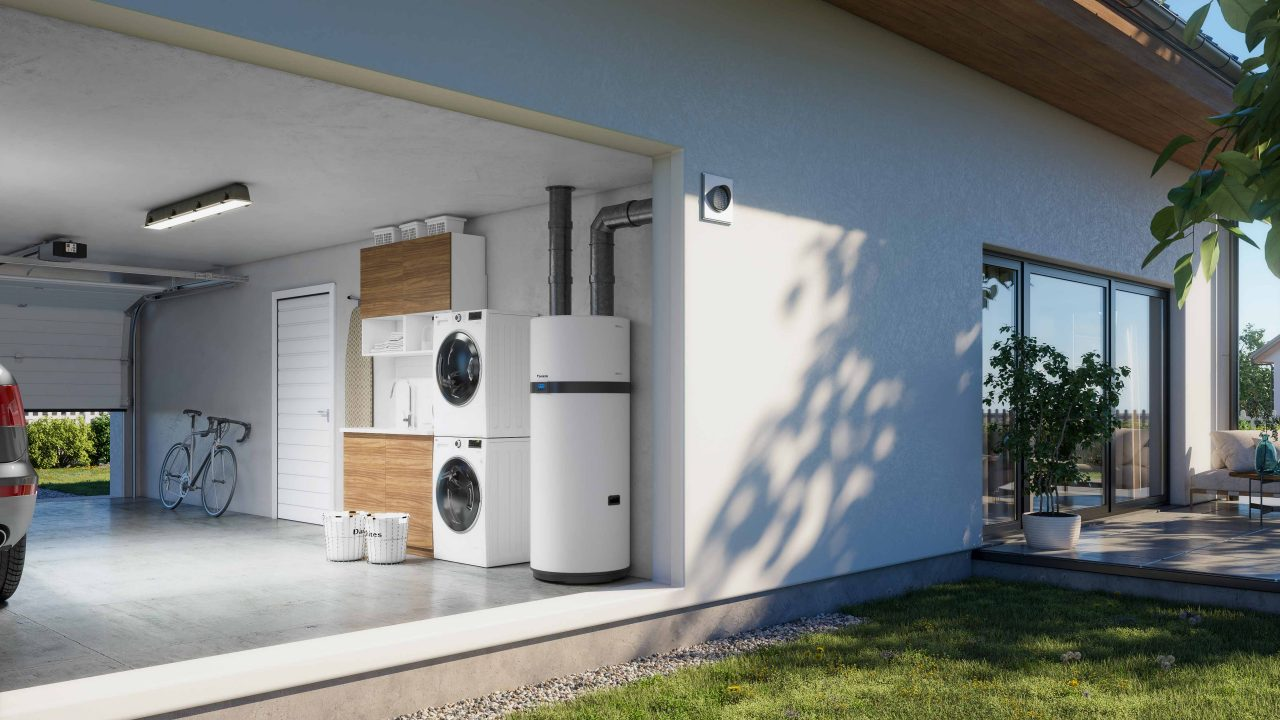
Heat pump systems use electricity to transfer heat from the air or ground into water. They are highly energy-efficient but may require specific installation conditions to perform optimally.
Solar Water Heaters
Solar systems use energy from the sun to heat water, making them environmentally friendly and cost-effective in the long term. However, they often require backup systems for cloudy or high-demand conditions.
Key Components of a Water Heater
A typical water heating system includes several essential components that work together to ensure safe and efficient operation.
The heating element is responsible for generating heat, either through electrical resistance or gas combustion. The thermostat regulates temperature and prevents overheating.In storage systems, the insulated tank maintains water temperature and reduces heat loss. Safety valves release excess pressure to prevent damage or hazards.
Understanding these components is important when evaluating or maintaining a water heater system.Choosing the right water heater depends on several factors, including household size, water usage patterns, energy availability, and budget.
A small household may benefit from a compact storage or tankless system, while larger families or commercial properties may require high-capacity or multi-unit setups.Energy efficiency is another important consideration. Modern systems are designed to reduce energy consumption while maintaining consistent performance, making proper selection crucial for long-term savings.
Installation Considerations and Requirements
Proper installation is essential for safe and efficient operation. Water heaters must be installed according to manufacturer guidelines and local safety regulations.
For storage systems, proper placement ensures easy access for maintenance and adequate ventilation. Tankless systems require careful planning of water flow rates, gas or electrical connections, and venting systems.Incorrect installation can lead to inefficiency, safety hazards, and reduced system lifespan. This is why professional installation of a water heater is strongly recommended.Energy efficiency plays a major role in the performance and operating cost of water heating systems. Modern units are designed with improved insulation, advanced heating technology, and smart controls that reduce energy waste.
Tankless systems eliminate standby heat loss, while high-efficiency storage systems use better insulation materials to retain heat longer.Proper temperature settings also contribute to energy savings. Overheating water increases energy consumption unnecessarily, while optimized settings balance comfort and efficiency.
Maintenance and System Longevity
Regular maintenance is essential to ensure long-term performance and reliability. In storage systems, sediment buildup can reduce efficiency and should be removed periodically through flushing.Heating elements should be inspected for wear, and thermostats should be tested to ensure accurate temperature control.
Tankless systems require descaling to remove mineral buildup, especially in areas with hard water. This helps maintain consistent performance and prevents internal damage.Routine maintenance extends the lifespan of a water heater and reduces the likelihood of unexpected breakdowns.
Water heaters may experience several common issues over time. Inconsistent water temperature may indicate thermostat problems or sediment buildup. Low hot water pressure can result from pipe blockages or mineral deposits.Unusual noises in storage systems often indicate sediment accumulation at the bottom of the tank. In gas-powered units, ignition or burner issues may affect heating performance.
Early identification and timely repair of these issues help prevent more serious damage and ensure reliable operation.
Safety Features and Risk Prevention
Safety is a critical aspect of water heating systems. Most modern units include built-in safety features such as pressure relief valves, automatic shut-off systems, and temperature controls.These features prevent overheating, pressure buildup, and potential system failures. Proper ventilation is also essential for gas-powered systems to prevent the accumulation of harmful gases.Ensuring that a water heater is installed and maintained correctly significantly reduces safety risks.
Modern water heating systems are increasingly designed with environmental efficiency in mind. Energy-efficient models reduce electricity or gas consumption, lowering carbon emissions.
Solar and heat pump systems offer environmentally friendly alternatives by utilizing renewable or ambient energy sources. These systems contribute to long-term sustainability while reducing operational costs.Improving insulation and optimizing usage habits further enhances environmental performance.
Cost Considerations and Long-Term Value
The cost of a water heating system varies depending on type, capacity, and efficiency rating. While high-efficiency systems may have higher upfront costs, they often provide long-term savings through reduced energy consumption.A well-maintained water heater can operate efficiently for many years, making it a valuable long-term investment for property owners.
Evaluating both installation and operating costs helps ensure a balanced decision that meets both budget and performance needs.Water heating technology continues to evolve with advancements in energy efficiency, smart controls, and renewable energy integration.
Modern systems increasingly feature digital thermostats, remote monitoring, and adaptive heating technology that adjusts performance based on usage patterns.Integration with smart home systems allows users to monitor and control energy consumption more effectively. These innovations are making water heating systems more efficient, convenient, and environmentally friendly.
Conclusion
Water heating systems are an essential part of modern living, providing comfort, hygiene, and functionality across residential and commercial environments. With advancements in technology, today’s systems offer improved efficiency, safety, and performance compared to older models.
Choosing the right water heater, ensuring proper installation, and maintaining the system regularly are key factors in achieving long-term reliability and cost efficiency. Whether using storage, tankless, or renewable energy-based systems, proper planning and care significantly enhance performance.
Ultimately, a well-selected and well-maintained water heater provides consistent hot water supply, improved energy efficiency, and long-term value, making it a crucial component of any modern property.