What Is Narrow Plank Flooring
Narrow plank flooring refers to hardwood boards that are cut to a slimmer width than standard planks, typically between 2 and 4 inches wide. While wide plank floors have grown popular for their bold, open look, narrow plank wood flooring offers its own set of advantages that make it a lasting favorite among homeowners, designers, and architects.
The narrower width creates a tighter, more uniform pattern across the floor. This gives a room a classic, structured appearance that works well in both traditional and contemporary interiors. It also happens to be one of the most stable flooring formats available, since narrower boards are less prone to the expansion and contraction that wider boards can experience with seasonal humidity changes.
Benefits of Narrow Plank Wood Flooring
There are several reasons narrow plank flooring continues to be a smart investment for any space.
Durability is one of the biggest advantages. Because narrow boards move less with temperature and moisture fluctuations, they tend to hold up better over time and are less likely to gap, cup, or warp. This makes narrow wood flooring a practical choice for homes in climates with noticeable seasonal shifts.
The visual rhythm of narrow plank flooring also adds depth to a room. The repeated lines draw the eye along the length of the space, which can make smaller rooms feel longer and more balanced. In larger rooms, the pattern adds texture without overwhelming the design.
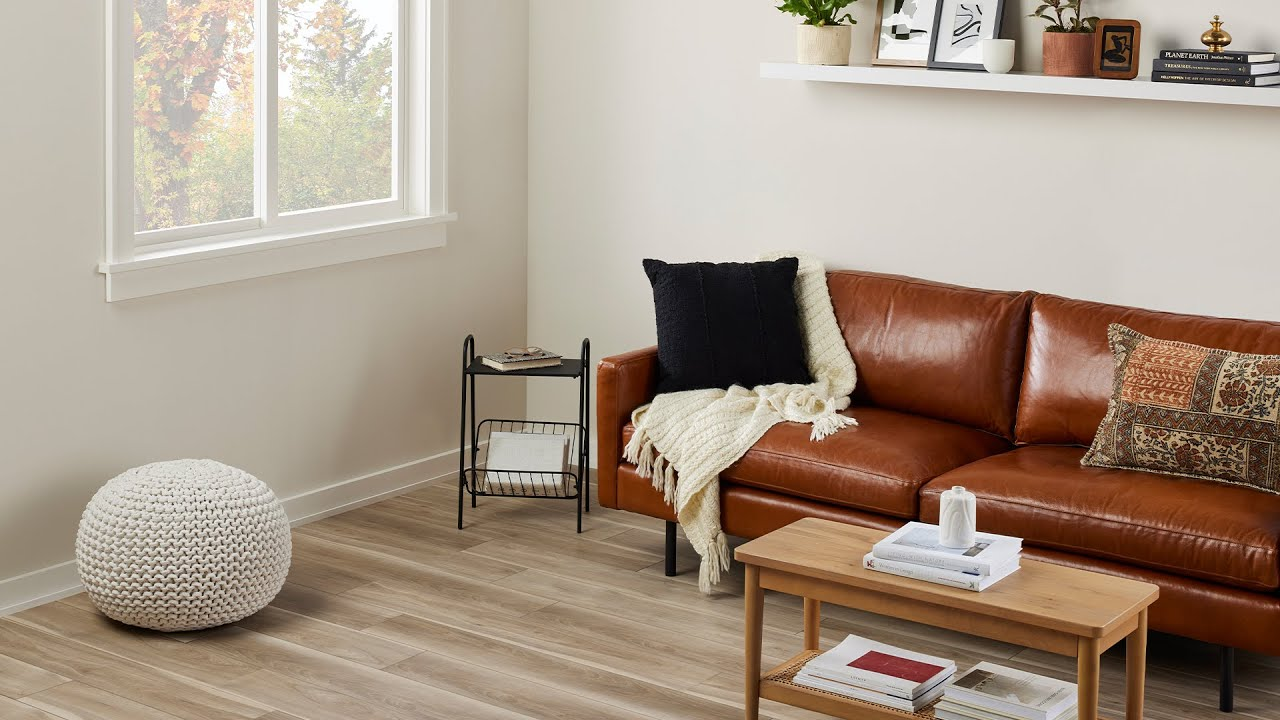
Narrow plank wood flooring pairs well with a wide range of interior styles, from farmhouse and traditional to Scandinavian and minimalist. Because the format has been used for centuries, it carries a sense of craftsmanship that suits period homes just as easily as new builds.
Where Narrow Wood Flooring Works Best
Narrow plank flooring suits nearly any room, but it shines in a few specific settings.
Hallways and corridors benefit from the way narrow boards emphasize length and movement. Kitchens and bathrooms, when paired with an engineered construction, gain the added stability needed for areas exposed to moisture. Period properties and heritage renovations often call for narrow plank wood flooring specifically, since it reflects the flooring styles used in older homes and helps maintain historical accuracy.
Open concept living areas also do well with narrow plank flooring, as the consistent pattern helps unify different zones of the space, from the kitchen to the dining area to the living room, without requiring a break in material.
How to Choose the Right Narrow Plank Flooring
Selecting the right narrow wood flooring for a project comes down to a few key decisions.
- Decide on the wood species. Oak is the most common choice for narrow plank flooring due to its strength and versatility, but walnut, ash, and maple are also popular depending on the desired tone and grain pattern.
- Choose a finish that matches the room’s use and light exposure. Matte and oiled finishes tend to hide wear better in high traffic areas, while lacquered finishes offer a smoother, more reflective surface.
- Confirm the construction type. Solid narrow plank flooring works well in stable environments, while engineered options offer better performance in rooms with fluctuating humidity, such as kitchens or below grade spaces.
- Consider the subfloor and installation method, since narrow boards can be installed via nail down, glue down, or floating methods depending on the subfloor type.
Wood Species and Finish
The species and finish together set the overall character of the room. Lighter finishes on species like ash or white oak create a bright, airy feel, while darker walnut tones bring warmth and formality to a space.
Plank Width and Layout
Within the narrow plank category, widths can still vary slightly, generally from 2 to 4 inches. Slightly wider options within this range offer a modern take on the traditional narrow plank look, while true narrow widths lean more classic. Layout pattern, such as a straight run or a herringbone arrangement, also affects how pronounced the narrow plank effect appears.
Caring for Your Narrow Plank Flooring
Narrow plank wood flooring requires the same general care as other hardwood floors. Regular sweeping or vacuuming prevents grit from scratching the surface, and using a slightly damp mop rather than a soaking wet one protects the wood from moisture damage. Felt pads under furniture legs and rugs in high traffic zones help preserve the finish over the years.
With proper care, a well installed narrow plank floor can last for decades, developing a natural patina that only improves with age.
Final Thoughts
Narrow plank flooring remains a dependable, stylish choice for homeowners who want a floor that balances classic character with practical performance. Its stability, versatility, and timeless pattern make it suited to nearly any room or design style.
Havwoods offers a wide range of narrow plank wood flooring options, from solid oak to engineered constructions, helping homeowners and professionals find the right fit for their space. Whether the goal is a period renovation or a modern open concept build, narrow wood flooring continues to prove why it has remained a trusted flooring format for generations.