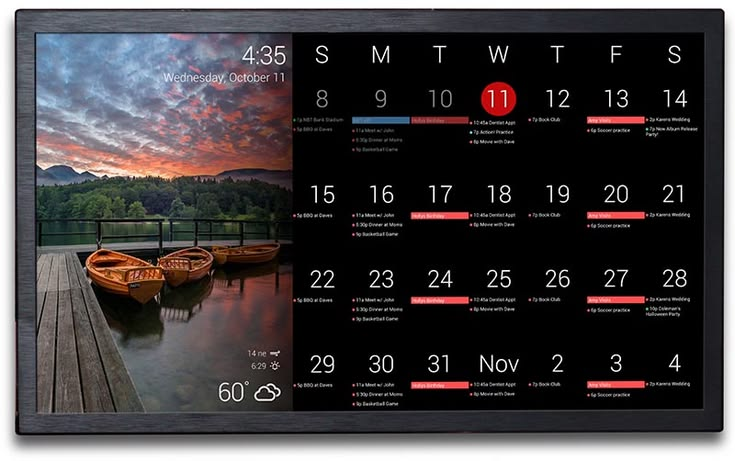
A phone notification disappears in seconds. A printed calendar hangs on a wall for twelve months. That gap in staying power is exactly why businesses relying on brand visibility keep coming back to print, even as digital channels multiply.
The Psychology Behind Physical Marketing
The human brain processes physical objects differently than digital content. When someone holds a printed piece, multiple senses activate at once, including touch, sight, and even the subtle texture of the paper stock. That multisensory experience creates stronger memory encoding than a flat screen ever can.
A study by Canada Post and TrueImpact found that direct mail requires 21% less cognitive effort to process than digital media, and recall was 70% higher when consumers were exposed to print. That cognitive efficiency matters because a message easier to absorb is also easier to remember days and weeks later. Easy to get in, harder to forget.
According to Newsworks, print ads achieve a 78% recall rate, while digital ads only reach 46%. That gap doesn’t close just because digital advertising becomes more targeted or more frequent. The format itself shapes how the brain stores information, and physical print consistently wins that battle.
There’s also a trust dimension at work. Printed materials carry a sense of permanence that a social media ad simply doesn’t. When a brand invests in something tangible, recipients interpret that as a signal of credibility, even if they never consciously articulate it.
Why Calendars Stay Visible Year-Round
Most promotional products eventually end up in a drawer or get thrown away. Calendars are different because they’re genuinely useful. A recipient keeps a calendar on the wall or desk not out of loyalty to the brand but because they need it every single day.
Utility Drives Retention
A coffee mug might sit in a cabinet. A branded pen might get lost. A calendar stays in plain sight because it serves a daily function. People check dates, plan appointments, and track deadlines using it. Every one of those interactions is a brand impression, and they add up steadily across a full year.
Placement Is Passive Advertising
Calendars go up in offices, kitchens, and workspaces, which are high-traffic areas where multiple people see them. A single calendar given to one recipient can generate impressions from coworkers, family members, and visitors throughout the year. No other promotional format delivers that kind of passive, ongoing exposure from a single unit.
The 365-Day Advantage
A digital banner ad runs for a campaign window, then stops. A calendar runs from January through December without any additional spend. That extended exposure window makes the cost per impression remarkably low compared to almost any other marketing channel.
Using Custom Calendar Printing for Long-Term Brand Exposure
Turning a calendar into an effective brand asset requires more than slapping a logo on a grid. The design choices, paper quality, and imagery all communicate something about the brand. A well-produced calendar signals professionalism. A cheap one does the opposite.
Matching the Calendar to the Audience
A real estate firm might hand out large wall calendars featuring local neighborhood photography. A financial services company might lean toward a clean desk calendar with space for notes. The format should fit how the recipient actually works, because a calendar that gets used is a calendar that keeps working.
Coordinating Brand Elements
Color consistency, font choices, and logo placement should align with the brand’s existing identity. Recipients don’t need to be told whose calendar it is every time they glance at it. When the visual language is consistent, brand recognition builds on its own.
Working With a Reliable Print Partner
Production quality is where many campaigns fall short. Paper weight, color accuracy, and binding method all affect how the finished piece looks and feels. Working with custom calendar printing specialists who can advise on stock, format, and print method makes a real difference in the final product’s perceived value.
Design Tips That Keep Calendars Useful
A calendar too cluttered with promotional messaging stops being useful and starts feeling like an advertisement. Recipients notice that shift, and the calendar ends up in the recycling bin before March.
The most effective branded calendars follow a few straightforward principles:
- Lead with imagery. Strong photography or illustration gives recipients a reason to look forward to each new month. The brand sits in the background, not the foreground.
- Keep contact details simple. A logo, website, and phone number are enough. A full product catalog crammed into the footer undermines the design.
- Leave writing space. Date boxes large enough to write in are the feature recipients value most. Cramped grids frustrate users and reduce how often they engage with the calendar.
- Choose durable materials. Thick paper stock and quality binding prevent the calendar from looking worn by June, which reflects poorly on the brand.
The goal is to create something recipients actively want on their wall. Not something they tolerate because it was free.
Sustainability Matters
Sustainability has become a real purchase consideration, not just a talking point. Brands that put out printed materials made from recycled or FSC-certified stock signal environmental responsibility alongside their marketing message. That combination resonates with a growing segment of consumers and business clients.
The global sustainable printing market was estimated at USD 2,170.0 million in 2024 and is projected to reach USD 3,349.0 million by 2030, growing at a CAGR of 7.9% from 2025 to 2030, according to Grand View Research. That growth reflects real demand from businesses and consumers who want print products aligned with broader environmental values.
Among promotional product recipients, 62% of consumers prefer promotional products made from recycled or eco-friendly materials. For a calendar campaign, that preference translates directly into better reception. A calendar printed on recycled stock with soy-based inks carries a positive association before the recipient even notices the brand name.
Choosing a printer that holds recognized environmental certifications, such as FSC chain-of-custody or carbon-neutral print programs, adds credibility to those claims. The sustainability story becomes part of the brand story.
Measuring Marketing ROI
One traditional objection to print marketing is that it’s hard to track. That has changed. Branded calendars can include QR codes, custom landing page URLs, or dedicated phone numbers that make it straightforward to attribute inbound traffic and leads to the campaign.
Beyond direct attribution, the math on cost per impression is compelling. A single calendar sits in a visible location for a full year, generating impressions from the recipient and anyone else who passes through that space. Spread the production cost across those impressions and the per-contact cost drops well below what most digital channels deliver.
Tracking should also account for secondary effects. A calendar in a business’s waiting room gets seen by every client who visits. A calendar in a home office gets seen by every video call participant. These are real brand exposures that a purely digital campaign can’t replicate.
The combination of low cost per impression, high recall rates, and year-round visibility makes printed calendars one of the more defensible line items in a marketing budget. The case for them doesn’t rest on nostalgia. It rests on how memory actually works.
Looking Ahead
Digital channels will keep evolving, and print’s role will keep narrowing to the formats where it genuinely outperforms. Calendars are one of those formats, because their utility keeps them in front of recipients long after any campaign has ended. Brands that invest in well-designed, sustainably produced calendars aren’t resisting digital marketing. They’re adding a channel that works differently and, for brand recall, works better.