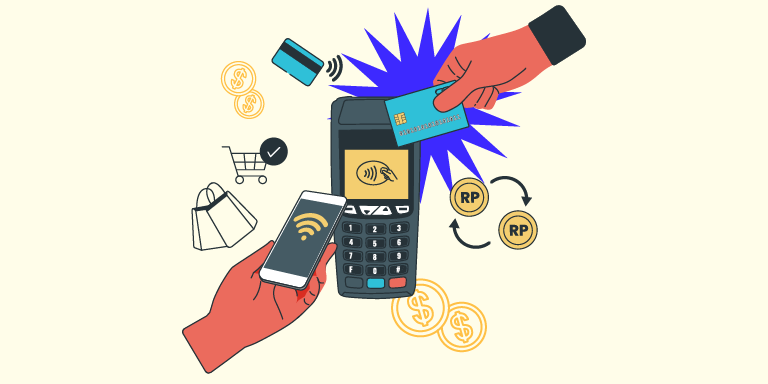
Small businesses often accept payments through several channels. A customer may pay at a counter, through an online store, by phone, or through an invoice link. Each channel can create separate records, fees, tools, and support tasks.
A simple payment setup reduces this friction. The business can use one system, automate routine work, review transactions in one place, and protect customer data through clear security controls.
The goal is not to add more payment features. The goal is to make each payment easier to accept, track, and verify.
One Payment System for Every Sales Channel
A small business may start with one sales channel and add more channels over time. A local shop may first accept card payments at a counter. Later, the owner may launch an online store, accept phone orders, or send payment links to customers.
Separate systems can create avoidable work. Staff may need to check several dashboards, export different reports, and compare transactions by hand. Refunds can also become harder because the employee must first identify which system processed the payment.
A unified payment system connects several sales channels through one account. The business can process payments from a website, checkout terminal, mobile device, invoice, or virtual terminal while keeping the records together.
This approach gives the business several practical benefits.
First, the owner can review total sales without combining several spreadsheets. The system can show online and in-person payments in one report. This view helps the owner compare sales channels and identify busy periods.
Second, staff can follow one payment process. Employees do not need to learn several unrelated tools. A consistent process also reduces mistakes during refunds, order checks, and daily reconciliation.
Third, the business can manage customer service more easily. If a customer asks about a charge, the employee can search one transaction database instead of checking several platforms.
A unified setup can also support customers who move between channels. A customer may discover a product online and buy it in the store. Another customer may visit the store and later place a repeat order through the website. Connected payment records help the business understand these patterns.
A bakery provides a clear example. The bakery accepts card payments at the counter, online payments for custom cakes, and payment links for large catering orders. Three separate systems would create three sets of records. One connected system would place all payments in the same reporting area.
The business should check several factors before choosing a system:
- The system should support the required payment channels.
- The system should connect with the current website or sales software.
- The system should provide simple refund and cancellation tools.
- The system should show clear fees.
- The system should allow the business to add new locations or users.
A single system does not mean that every payment method must look the same. Online checkout and counter checkout serve different customer needs. The main benefit comes from shared transaction management behind both channels.
Small businesses should also check hardware requirements. Some providers require specific terminals. Others support several compatible devices. The owner should compare device costs, contract terms, and replacement options before making a decision.
Integration quality also matters. A payment system should exchange order details with the online store, accounting software, or point-of-sale system. A weak integration can create duplicate records and manual corrections.
The best setup connects the tools that the business already uses. It should reduce the number of steps required to complete each sale.
Faster Checkout and Fewer Manual Tasks
A slow checkout process can reduce sales and frustrate customers. Online buyers may leave a cart if the payment form takes too long to complete. Customers in a physical store may become impatient if the terminal responds slowly or the employee must enter the same details several times.
A simple checkout asks only for the information required to complete the payment. The form should use clear labels, show the total price, and provide familiar payment methods.
For online payments, the business should test checkout on both desktop and mobile devices. Buttons should remain easy to tap. Text fields should fit the screen. The page should load quickly and show clear error messages.
For in-person payments, the terminal should support a direct flow. The employee should select the order, present the payment option, and confirm the result. Extra data entry increases waiting time and creates more opportunities for mistakes.
A connected payment platform can also automate tasks after checkout. Some businesses use systems such as usaepay by nmi to keep payment processing and transaction management within a shared workflow. This type of setup can reduce the need to move information between unrelated tools.
Automation can simplify several routine tasks.
The system can send a receipt after a successful payment. Staff do not need to create and send each receipt manually.
The system can mark an invoice as paid. This update helps the owner avoid checking bank records and invoice lists by hand.
The system can store transaction references with the related order. Customer service staff can then find the payment without searching through several records.
The system can also support recurring payments for subscriptions, memberships, or service plans. The business can collect an approved payment on a set schedule instead of sending a new request each month.
A cleaning company offers a practical example. The company sends invoices after each job. Without automation, an employee must check each payment, update the invoice status, and email a receipt. A connected system can complete these steps after the customer pays.
Payment links can also speed up remote sales. A business can create a secure link and send it through email or text. The customer opens the page, enters payment details, and receives confirmation.
This option works well for deposits, phone orders, professional services, and custom work. It removes the need to collect card details during a call.
Saved customer profiles can make repeat payments faster, but the business must use them carefully. The customer should give clear permission before the business stores payment information. The system should protect the stored data and limit staff access.
Small businesses should avoid adding too many payment methods without a clear reason. More choices can help customers, but each method may create extra fees, reporting steps, or support issues.
The business should start with the methods that customers use most often. Common options may include credit cards, debit cards, digital wallets, bank payments, and payment links. The owner can add more methods after reviewing customer demand.
Checkout speed also depends on internal processes. Staff should know how to handle declined payments, partial refunds, tips, and order changes. A short written process can prevent delays during busy periods.
The owner should test the full payment flow before launch. The test should include:
- A successful payment
- A declined payment
- A refund
- A cancelled order
- A receipt
- A mobile checkout
- An in-person terminal payment
These tests can reveal missing steps before customers encounter them.
Clear Transaction Tracking and Reporting
Payment data helps a business understand sales, fees, refunds, and customer behavior. Poor reporting can hide problems and increase accounting work.
A clear payment dashboard should show each transaction with a date, amount, status, payment method, and order reference. The business should also be able to search by customer name, invoice number, or transaction ID.
Consistent records make daily reconciliation easier. Reconciliation compares sales records with payment records and bank deposits. The process confirms that the business received the expected amount.
A unified system can show transactions from all sales channels in one place. The owner can review online sales, counter payments, phone orders, and payment links without combining several reports.
The owner should separate gross sales from net deposits. Gross sales show the total amount paid by customers. Net deposits show the amount transferred after fees, refunds, and other adjustments.
This difference matters because a bank deposit may not match the day’s sales total. The payment report should explain each deduction.
A clear report should include:
- Total sales
- Refunds
- Processing fees
- Chargebacks
- Taxes
- Tips
- Net deposits
- Sales by channel
- Sales by payment method
The business can use these figures to answer practical questions. The owner can see which channel produces the most revenue, which payment method costs the most, and which days have the highest refund rate.
A retailer may find that online sales grow each month but produce more refunds than in-store sales. The owner can then review product descriptions, shipping times, or return policies.
A service company may find that payment links reduce late payments. The company can use this result to replace manual bank transfer instructions with direct payment requests.
Reports should also support accounting exports. A compatible export can reduce manual entry and help the accountant match transactions with invoices.
The business should create a regular review schedule. Staff may review transactions each day, deposits each week, and payment performance each month.
Daily checks can identify failed payments, duplicate charges, and missing receipts. Weekly checks can confirm deposits and refunds. Monthly reviews can compare fees, sales channels, and payment trends.
Access controls protect reporting data. Not every employee needs full access. A cashier may need to accept payments and issue limited refunds. A manager may need to view reports. The owner may need permission to change bank details or user roles.
The business should assign access based on job responsibilities. This approach reduces accidental changes and limits the effect of a compromised account.
Good reporting also improves customer support. A clear transaction record helps staff answer questions about dates, amounts, refunds, and payment status.
The main goal is simple. The owner should know where each payment came from, what happened to it, and when the money reached the business.
Secure Payments and Fraud Prevention
Payment security protects the business and its customers. A weak process can lead to stolen card data, fraudulent orders, chargebacks, and loss of trust.
Small businesses should use payment providers that protect sensitive payment information. Staff should not store full card numbers in documents, messages, spreadsheets, or customer notes.
Online checkout pages should use encrypted connections. The website should also receive regular software updates. Old plugins, weak passwords, and unused administrator accounts can create security risks.
Strong account protection starts with unique passwords and multi-factor authentication. Multi-factor authentication requires an extra verification step during login. This step can block access even if another person obtains the password.
The business should also limit account access. Each employee should use an individual login. Shared accounts make it difficult to identify who changed a setting, issued a refund, or viewed a report.
Fraud prevention tools can compare several signals during an online payment. The system may check the billing address, security code, device, location, and transaction pattern.
A high-risk result does not always prove fraud. The business should review the order before cancelling it. A genuine customer may place an unusual order while travelling or use a different shipping address for a gift.
Clear review rules help staff make consistent decisions. The business can flag orders that include:
- A large order from a new customer
- Several failed payment attempts
- Different billing and shipping countries
- Expedited shipping for high-value goods
- Several orders from the same device with different cards
- Requests to change the shipping address after payment
In-person fraud requires different controls. Staff should follow the terminal prompts and avoid entering card details manually unless the business has a valid process for it. Employees should also inspect terminals for signs of damage or unauthorised attachments.
Chargebacks occur when a cardholder disputes a payment. Some disputes result from fraud. Others result from unclear billing descriptions, delivery problems, or poor communication.
A business can reduce chargebacks by using clear product descriptions, accurate delivery estimates, visible refund policies, and recognisable billing names. Receipts should include contact details so customers can ask questions before filing a dispute.
The business should keep records for each order. Useful records may include the invoice, delivery confirmation, customer communication, service agreement, and refund policy.
Security also applies to payment links and invoices. Staff should send links through trusted channels and verify unusual requests. Criminals may impersonate a supplier or employee and ask the business to change bank or payment details.
A verification process can reduce this risk. An employee should confirm important payment changes through a known phone number or account, rather than replying to the same message that requested the change.
Small businesses do not need a large security department to improve payment safety. They need clear controls, updated tools, trained staff, and regular reviews.
A simple payment system should make sales easier without hiding important risks. The business should connect its sales channels, automate routine tasks, maintain clear records, and protect every transaction. This approach saves time for staff and creates a smoother payment experience for customers.