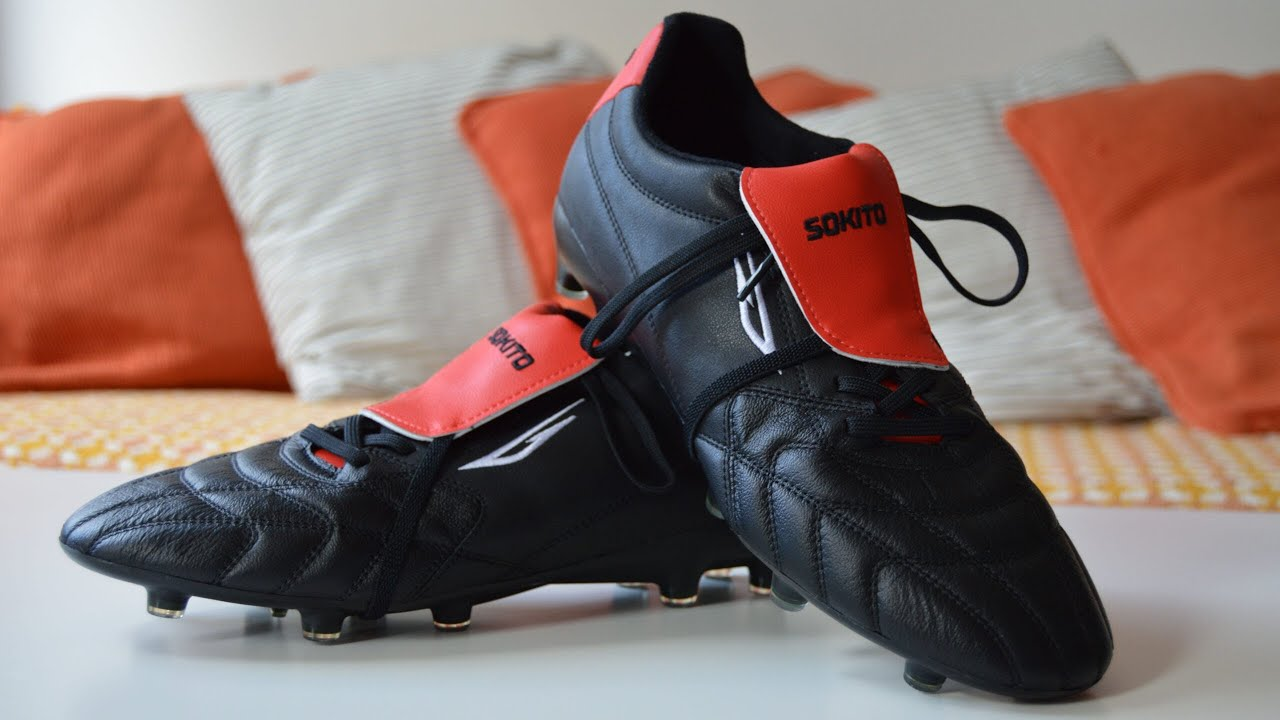
When it comes to enhancing your performance on the field, selecting the right football boots is crucial. The suitability of your boots can significantly impact your agility, speed, and overall comfort during a match. Understanding the various elements that make up a perfect pair of football boots can help you make an informed decision and improve your gameplay.
Understanding Different Types of Football Boots
Football boots come in various types, each designed for specific playing conditions and styles. The primary categories include firm ground, soft ground, artificial grass, and indoor boots. Firm ground boots are the most versatile, suitable for natural grass pitches where the surface is neither too hard nor too soft. Meanwhile, soft ground boots are equipped with longer studs to provide traction on wet, muddy surfaces.
For players who frequently play on artificial surfaces, artificial grass boots offer a configuration of smaller, rubber studs for optimal grip. Finally, indoor footballers will benefit from boots designed with flat rubber soles, providing excellent traction on hard, smooth surfaces.
Material Considerations
The materials used in football boots affect their durability, comfort, and performance. Leather boots, traditionally made from kangaroo leather, offer excellent comfort and flexibility, moulding perfectly to the player’s feet over time. However, they require regular maintenance to retain their quality.
Synthetic materials, on the other hand, offer benefits such as being lightweight, water-resistant, and less maintenance-intensive. Recent innovations have introduced knitted fabrics, providing a snug fit akin to wearing a sock, enhancing ball control and agility.
Fit and Comfort
Achieving the right fit is vital for comfort and performance. Boots that are too tight can lead to blisters, while those too loose can reduce stability and control. It is advisable to try on boots with the same type of socks worn during play for an accurate fitting. Ensure there is enough room for your toes to move freely without excessive space that could cause your foot to slide.
Stud Configuration and Soleplates
The configuration of studs and the design of the soleplate play a crucial role in traction and movement. Bladed studs offer maximum grip and are particularly beneficial for sudden directional changes. Conical studs provide ease of movement and are ideal for rotational movements. Some boots feature a combination of both to maximise agility and stability on the field.
Position-Specific Boot Features
Certain football boot features may cater to specific playing positions. Forwards might favour lightweight boots that enhance speed and agility, whereas defenders could benefit from boots offering extra protection and support. Midfielders often require a balance of both comfort and agility, necessitating a boot that offers durability and a snug fit.
Budget and Brand Considerations
Pricing can vary significantly depending on the brand and features of the football boots. Premium models offer advanced technology and materials at a higher price point, while budget-friendly options provide decent quality for casual players. Brands like Adidas, Nike, and Puma are renowned for their innovative designs and reliable performance, catering to various playing levels and preferences.
Maintenance and Care
Once you have acquired the perfect pair of football boots, maintaining them is essential for longevity. Regular cleaning after each use can prevent the build-up of dirt and mud. It is advisable to store them in a dry, cool place to avoid any material degradation. Using a boot bag can also protect them from environmental elements and make transportation easier.
Injury Prevention
Wearing the right football boots can significantly reduce the risk of injuries. Proper fitting footwear ensures foot stability and joint support, minimising strains and sprains. It is also important to replace boots once the studs become worn, as this can affect grip and increase the likelihood of slips or falls during play.
Adopting New Technologies in Boot Design
The advancements in football boot technology are revolutionising how players interact with the ball. Features such as adaptive fit systems, enhanced traction control, and shock absorption technologies are becoming increasingly common. These innovations offer players enhanced precision, better control, and improved comfort, significantly elevating game performance.
Customising Football Boots
Some players opt for customisation to reflect personal style or address specific requirements. Customisation can include altering the colour, adding personalised elements like initials, or adjusting fit features for enhanced comfort. Many brands offer customisation services, allowing players to tailor their boots to their personal preferences.
Environmental Considerations
With a growing focus on sustainability, many brands are exploring eco-friendly materials and processes in football boot production. Choosing boots manufactured through sustainable practices can contribute positively to the environment, aligning with players who are conscientious of their ecological impact.
Conclusion
Selecting the perfect football boots involves considering various factors from playing surface and position to personal preferences and budget. By understanding these aspects, players can find a pair that not only enhances their performance but also provides comfort and support on the field. For a diverse selection of football boots that cater to