Wire ropes are essential components in many U.S. industries, including construction, mining, marine, and energy. Selecting the correct wire rope lubricator plays a key role in protecting these ropes from wear, corrosion, and internal damage. With varied operating environments and strict safety expectations, choosing the right lubrication solution requires more than simply applying oil—it requires a system matched to operational demands.
Understanding Operational Conditions
U.S. worksites can vary widely, from dusty inland construction zones to coastal facilities exposed to salt air. Each environment affects wire rope performance differently. A suitable lubricator must be capable of delivering consistent lubrication regardless of temperature, moisture, or contamination levels. Understanding where and how the rope is used helps narrow down equipment options that can handle specific challenges.
Importance of Deep Rope Penetration
Surface lubrication alone is not enough to protect wire ropes effectively. Internal strands and cores are often where the most damaging wear occurs. High-quality lubricators are designed to force lubricant deep into the rope structure, reducing internal friction and protecting against hidden corrosion. This deep penetration helps maintain rope flexibility and load-bearing capacity over time.
Compatibility with Rope Sizes and Types
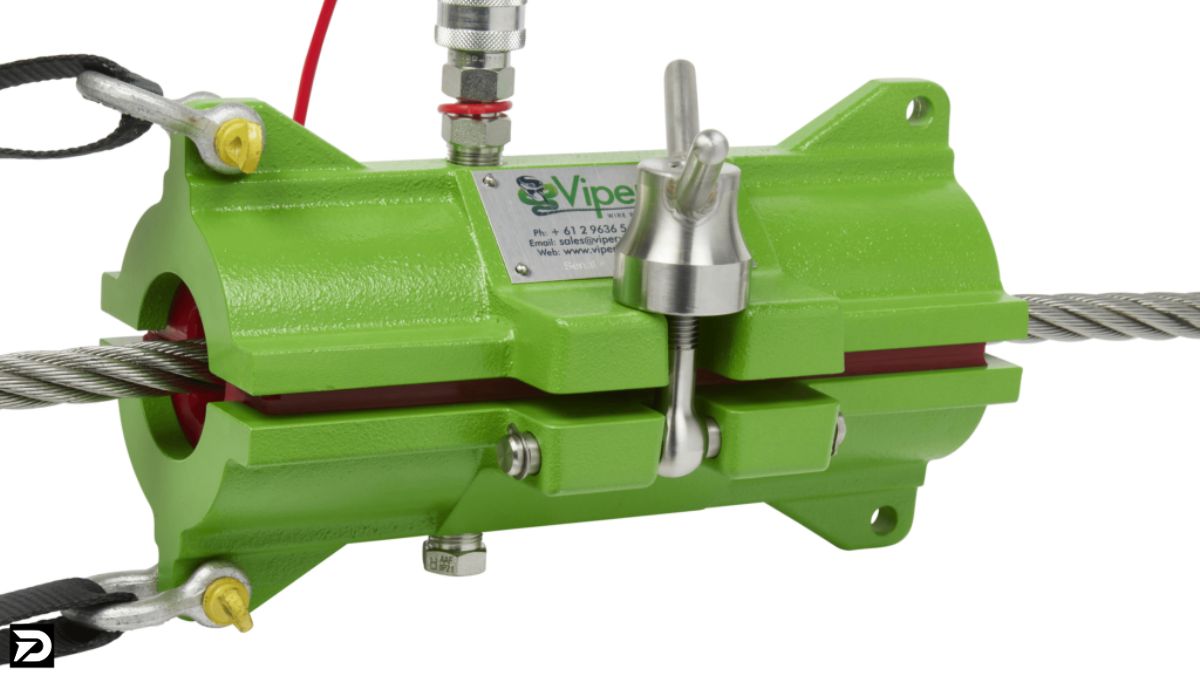
Wire ropes come in various diameters, constructions, and materials. Choosing a lubricator that matches the rope specifications is critical for effective performance. Adjustable systems allow for proper fit across different rope sizes, ensuring even application without excess waste or uneven coverage.
Efficiency and Ease of Use
In busy operations, maintenance efficiency matters. A well-designed lubricator simplifies the lubrication process, reducing manual effort and time spent on routine maintenance. Easy setup and operation help maintenance teams work more efficiently while maintaining consistent lubrication standards across multiple ropes or machines.
Safety and Environmental Considerations
U.S. operations often follow strict safety and environmental guidelines. Modern lubricators are designed to minimise overspray and reduce lubricant runoff, creating safer work areas. Many systems also support the use of environmentally responsible lubricants, helping companies meet compliance requirements without sacrificing performance.
Reducing Downtime and Extending Rope Life
Consistent lubrication helps extend wire rope service life, reducing the frequency of replacements and unplanned shutdowns. By maintaining optimal rope condition, lubricators support smoother equipment operation and help prevent costly failures that disrupt production schedules.
Long-Term Cost Benefits
While the upfront cost of a lubricator may vary, long-term savings often outweigh the initial investment. Reduced rope replacement, lower labour requirements, and improved equipment reliability all contribute to better cost control. Over time, a reliable lubrication system becomes a valuable asset rather than an added expense.
Making an Informed Choice
Choosing the right wire rope lubricator for U.S. operations requires careful evaluation of environment, rope specifications, safety standards, and maintenance needs. By investing in the right solution, businesses can protect critical equipment, improve operational safety, and ensure long-term performance across demanding applications.