Computer memory is one of those components that quietly shapes everything you do, from gaming and content creation to everyday browsing and office work. Most users do not think about RAM very often, yet each new generation brings noticeable changes in speed, efficiency, and overall system responsiveness. Today, many people are already familiar with DDR5, but attention is slowly shifting toward what comes next.
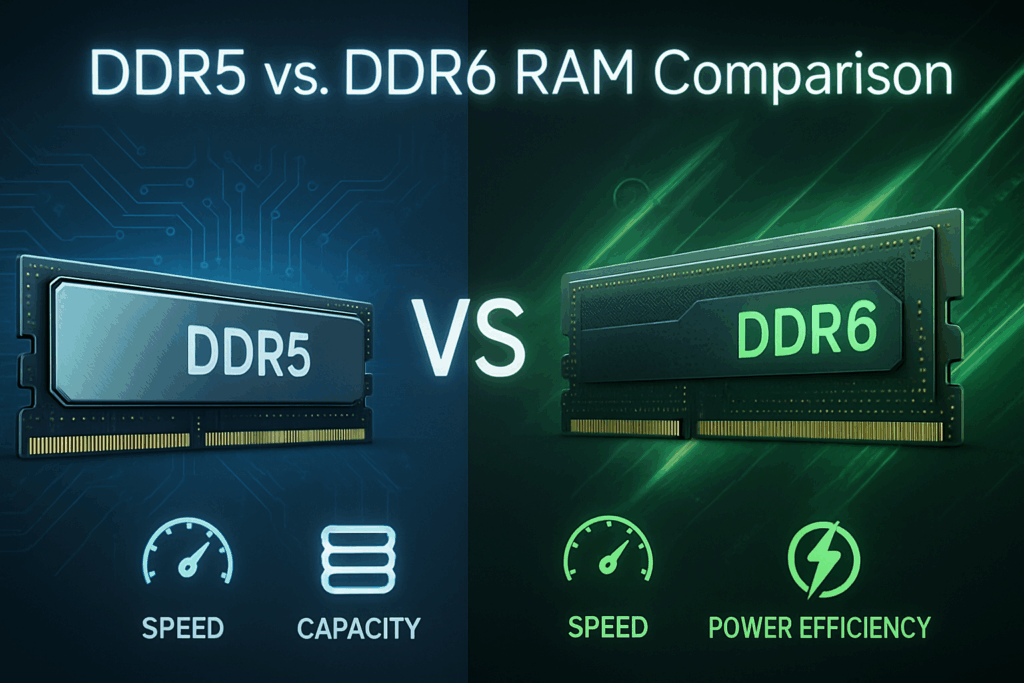
The ongoing discussion about DDR5 vs DDR6 is not just about numbers on a spec sheet. It is about how future systems will handle bigger workloads, smarter software, and more demanding applications. A deeper look at this topic is explored in the analysis found here.
Why Memory Technology Keeps Evolving
Every generation of RAM is designed to solve problems created by the previous one. As processors become faster and software becomes more complex, memory needs to keep up. If RAM is too slow or inefficient, even the best CPU and GPU cannot perform at their full potential.
In the past, the jump from one generation to another usually meant higher speeds, better power efficiency, and improved stability. DDR5 already brought noticeable changes compared to DDR4, including higher bandwidth and better power management. The idea behind DDR6 is to continue this trend and prepare systems for the next wave of computing demands.
This is not only about gaming or high end workstations. Even everyday tasks are becoming heavier, with more background services, larger applications, and more data being processed at once.
What DDR5 Changed in Real World Use
DDR5 marked an important step forward. It increased memory bandwidth and introduced new ways to manage power directly on the memory modules. For users, this means better performance in tasks that depend heavily on memory speed, such as video editing, 3D rendering, and modern gaming.
Another important change is how DDR5 handles data internally. By improving efficiency and parallelism, it allows systems to move more information at the same time. In practice, this helps reduce bottlenecks and makes high performance components work together more smoothly.
For most people, the move to DDR5 is already a noticeable upgrade, especially on newer platforms that are designed to take full advantage of it.
Looking Ahead to DDR6
DDR6 is still part of the future, but its goals are already clear. The next generation of memory is expected to push speeds even further while keeping power consumption under control. This is especially important for laptops, compact systems, and data centers where efficiency matters just as much as raw performance.
Another key focus is scalability. As applications continue to grow in size and complexity, systems need memory that can handle larger datasets without slowing everything down. DDR6 is being designed with these long term needs in mind, not just for home users, but also for servers, artificial intelligence workloads, and professional computing.
The comparison between current and future standards is exactly why discussions like DDR5 vs DDR6 are so interesting. They show not only where we are now, but also where the industry is heading.
Performance Is Not Just About Speed
When people talk about memory, they often focus only on frequency numbers. While speed is important, it is not the only factor that matters. Latency, efficiency, and stability all play a big role in how a system feels in everyday use.
DDR5 already improved many of these areas, and DDR6 is expected to continue refining them. The goal is not just higher benchmark scores, but smoother multitasking, faster load times, and better overall responsiveness.
This is especially important as software becomes more complex. Modern operating systems, games, and creative tools all rely on fast and reliable memory access. Even small improvements at this level can make a system feel noticeably snappier.
Who Will Benefit the Most From New Memory Standards
At first, new memory technologies usually appear in high end systems. Enthusiasts, professionals, and early adopters are the first to benefit from higher speeds and new features. Over time, these technologies move into mainstream PCs and laptops.
Gamers will see benefits in more stable performance and better support for high frame rates. Content creators will enjoy faster rendering and smoother workflows. Developers and researchers working with large datasets will gain even more from improved bandwidth and efficiency.
For everyday users, the benefits may be less dramatic at first, but they still matter. Faster memory helps systems stay responsive for longer, even as software becomes heavier and more demanding.
The Role of Platforms and Compatibility
It is important to remember that memory does not exist in isolation. Each new RAM generation requires support from the motherboard and the processor. This means that moving from DDR5 to DDR6 in the future will also involve new platforms and chipsets.
This is normal in the PC world, but it is something users should keep in mind when planning upgrades. Sometimes it makes sense to wait for a new platform to mature before jumping in. Other times, the performance gains are worth it right away.
Understanding these cycles helps you make smarter decisions and avoid unnecessary upgrades that do not bring real benefits to your daily use.
Why Trusted Technical Information Matters
Memory technology can be complex, and marketing terms do not always tell the full story. That is why experience based and expert driven content is so valuable. Real analysis explains not only what is new, but also why it matters and who should care.
Following reliable tech articles helps you stay informed about real changes in the industry, not just headlines and product announcements.
Good technical writing connects specifications with real world impact. It shows how new standards affect actual users, not just benchmark charts.
Experience, Expertise, and Real World Perspective
From a Google E E A T point of view, experience and expertise are essential when discussing topics like memory technology. Readers want to know how changes affect real systems, not just theoretical performance.
Articles that combine technical knowledge with practical examples build trust. They help users understand what is worth upgrading, what can wait, and what is mostly marketing noise. This kind of content is especially important in fast moving areas like PC hardware.
The discussion around DDR5 vs DDR6 is a good example of how future focused topics can still be explained in a practical and useful way.
The Bigger Picture of Computing Progress
Memory is only one part of the system, but it plays a central role in how everything works together. Faster CPUs and GPUs need faster and smarter RAM to reach their full potential. As software becomes more advanced, this connection becomes even more important.
Each new memory generation is not just an upgrade. It is part of a larger shift in how computers handle data, multitasking, and complex workloads. DDR5 is already a big step forward, and DDR6 will likely continue that path in ways we are only starting to imagine.
Final Thoughts
The conversation about DDR5 vs DDR6 is really a conversation about the future of computing. It shows how hardware continues to evolve to meet the demands of modern software, new types of work, and more ambitious user expectations.
For anyone who wants to stay informed, following high quality tech articles is the best way to understand not just what is new, but why it matters. Memory may not be the most exciting part of a PC build, but it is one of the most important. And as technology moves forward, its role will only become bigger and more influential in how we use our computers every day.