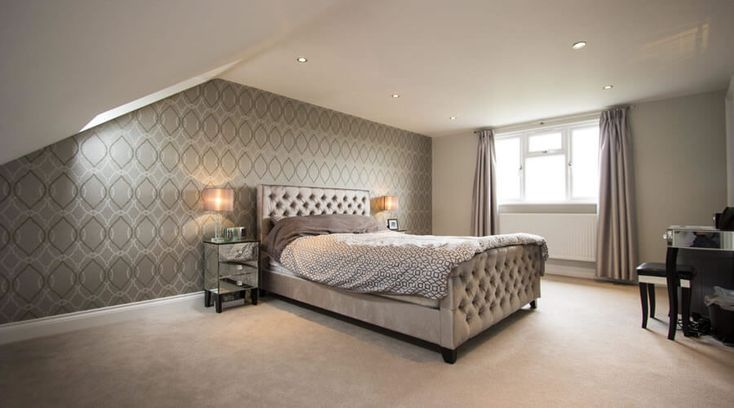
London homeowners are constantly searching for smarter ways to create more space without the disruption and expense of moving to a larger property. Among all the options available, the dormer loft conversion stands out as one of the most practical, most popular, and most rewarding transformations a homeowner can undertake. By extending vertically from the existing roof slope to create a box-like projection with vertical walls and a flat or pitched roof, a dormer loft conversion delivers a dramatic increase in both headroom and usable floor area, turning what was previously an awkward and underused roof space into a beautiful, fully functional room. Extension Architecture has delivered dormer loft conversions across London’s most diverse and demanding residential neighbourhoods, and this guide covers everything homeowners need to know about design, costs, planning, and the process of building a stylish new room above the existing home.
Why Dormer Loft Conversions Are London’s Most Popular Roof Extension
The dormer’s popularity in London is no accident. The city’s housing stock is dominated by Victorian and Edwardian terraced and semi-detached properties, and these houses share a common characteristic: a steeply pitched roof with a generous ridge height but limited usable floor area at the eaves due to the rapidly falling ceiling line. A dormer addresses this limitation directly and decisively. By pushing out a vertical section of the rear roof slope, it replaces the sloping ceiling with vertical walls across the full width or a significant portion of the room, creating floor-to-ceiling space that transforms the character and usability of the entire loft floor.
Read more about the mansard vs dormer loft conversion
The rear dormer is the most common configuration in London, positioned on the back slope of the roof where it is least visible from the street and where it can incorporate generous glazing to bring light into the new room and provide views over the garden. On many property types in London, a rear dormer falls within permitted development rights, meaning planning permission is not required and the project can proceed on the basis of a prior approval notification or simply with building regulations approval depending on the specific circumstances.
Design Principles for a Stylish Dormer Loft Conversion
A well-designed dormer loft conversion does more than create additional floor area. It produces a room that feels considered, well-proportioned, and genuinely beautiful to inhabit. Achieving this requires attention to a set of design principles that the best architectural practices bring to every project.
The proportion and placement of the dormer on the roof slope is fundamental. A dormer that is too narrow feels cramped and fails to deliver the spatial benefit that the conversion promises. One that extends too close to the edges of the roof risks appearing clumsy and out of scale with the original building. The most successful dormers are those sized and positioned to create generous internal space while maintaining a visual relationship with the roof that feels resolved and considered.
Window design within the dormer is equally important. Full-width glazing across the dormer face brings maximum light into the new room and creates a strong visual connection with the garden and sky beyond. Juliet balconies add a layer of openness and light without the structural and planning complexity of a full balcony. Where the planning context permits, a combination of dormer windows and additional roof lights can create a loft room bathed in natural light from multiple directions throughout the day.
The staircase connecting the new loft floor to the floor below deserves careful design attention. In London’s typically narrow terraced properties, stair positioning has a significant impact on both the room below and the loft above. A well-designed staircase integrates storage, maintains adequate headroom throughout, and arrives in the loft at a point that allows the new room to be arranged freely and generously.
Planning Permission and Permitted Development in London
One of the most common questions homeowners ask about dormer loft conversions in London is whether planning permission is required. The answer depends on several factors including the property type, its location, whether it falls within a conservation area, and whether the local planning authority has removed permitted development rights through an Article 4 Direction.
For many houses in London, a rear dormer that does not exceed certain size limits falls within permitted development and can proceed without a formal planning application. However, properties within conservation areas, listed buildings, flats, and maisonettes are excluded from permitted development rights and require full planning permission. Extension Architecture navigates this landscape expertly for every client, assessing the permitted development position accurately and preparing the strongest possible application where planning permission is required.
What the Build Process Involves
A dormer loft conversion build programme typically runs between eight and fourteen weeks depending on the scope of the works and the specification of the finished room. The sequence begins with the structural works to the existing roof, including the installation of steel beams where required to support the new floor and dormer structure. The dormer box is then constructed, roofed, and made weathertight before internal works begin. Insulation, first fix plumbing and electrics, plastering, and second fix finishes follow in sequence, with the staircase typically installed toward the end of the programme once the main structure is complete and dry.
Extension Architecture manages the entire process from design through planning and building regulations to construction oversight, giving London homeowners a single integrated team and a clear path from concept to completion.