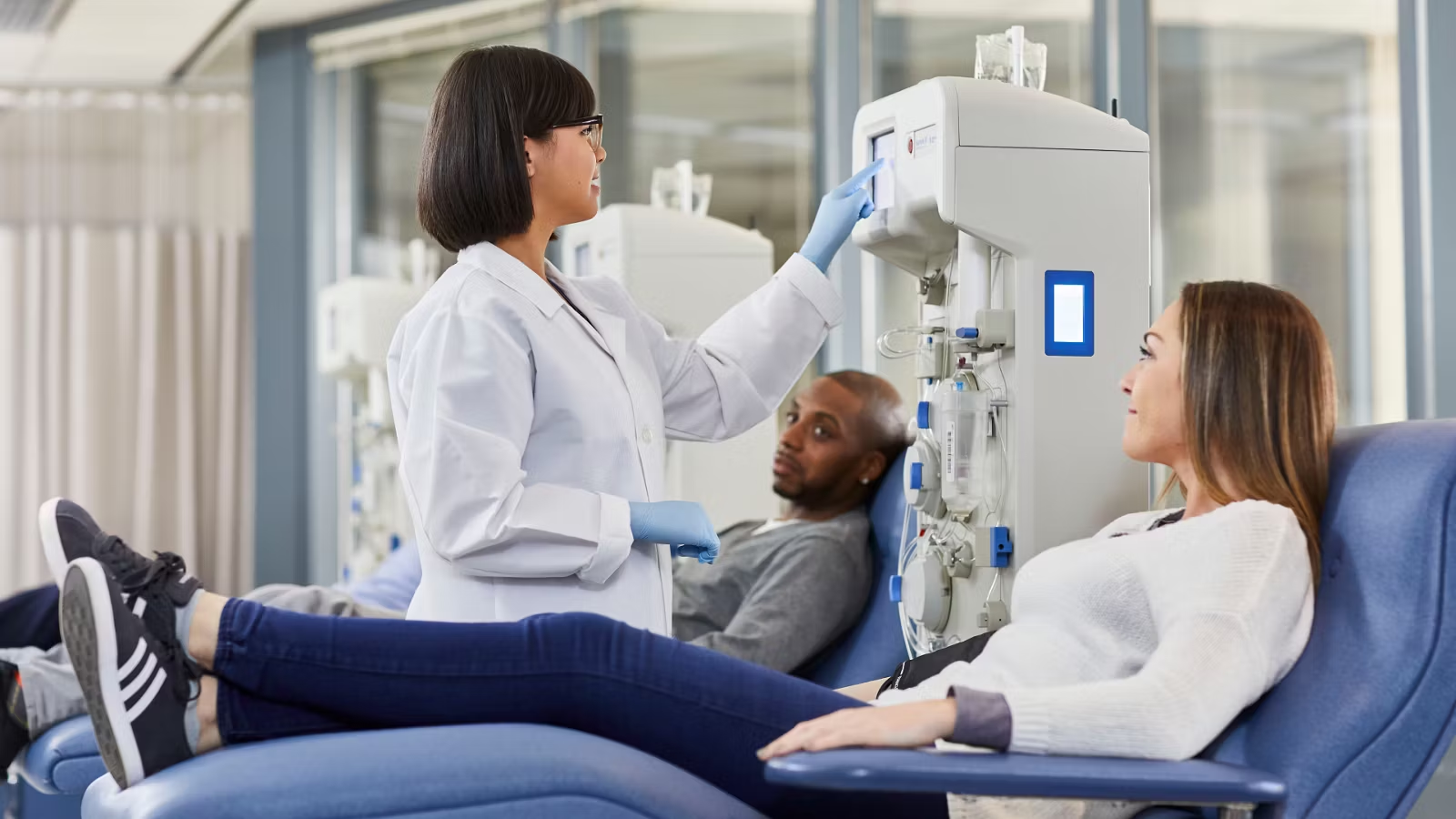
In the rapidly evolving world of healthcare, the need for efficient and accessible solutions is imperative. One such solution is the use of medical carts, which are transforming the way health services are delivered.
Medical carts are integral in enhancing the operational efficiency of healthcare facilities. These versatile tools are specially designed to meet the diverse needs of medical environments, ranging from hospitals to specialised clinics. By providing a mobile platform, medical carts allow healthcare professionals to deliver care more effectively and promptly.
Key Features of Medical Carts
Medical carts come equipped with a host of features that cater specifically to the demands of a medical setting. They are built to be highly manoeuvrable, allowing quick and easy access to essential tools and equipment. Additionally, they are often designed with a robust structure to carry significant loads, ensuring durability and reliability in demanding environments.
Furthermore, medical carts can be customised to meet specific requirements. Whether it is storage for medications, integration with electronic health records, or specialised compartments for diagnostic equipment, the possibilities are immense and tailored to enhance the workflow.
Benefits of Using Medical Carts
The implementation of medical carts within healthcare settings offers numerous advantages. Firstly, they significantly reduce the time taken to access medical supplies and devices, which can be critical in emergencies. By having necessary tools at their fingertips, healthcare providers can focus more on patient care rather than logistical issues.
Moreover, medical carts aid in reducing human error. With organised compartments and dedicated spaces for different tools and medications, the likelihood of errors in medication administration or equipment usage is reduced hence enhancing patient safety.
Types of Medical Carts
There are various types of medical carts available, each designed to serve specific purposes. Emergency carts, also known as crash carts, are equipped with lifesaving equipment such as defibrillators and emergency medications. Anaesthesia carts provide anaesthetists with easy access to anaesthetic drugs and related equipment.
Another common type is the medication cart. These carts are used to store and transport medications within healthcare facilities, ensuring that they are easily accessible to nursing staff and clinicians. Additionally, computer carts allow for the integration of information technology within patient care, facilitating real-time access to electronic health records.
Impact on Patient Care
The use of medical carts has a direct impact on the quality of patient care. They contribute to improved efficiency and efficacy in service delivery, allowing healthcare providers to spend more time with patients. The streamlined processes afforded by medical carts lead to a more organised approach, enabling staff to respond swiftly to patient needs.
Furthermore, having immediate access to critical information and medical equipment lessens the stress on healthcare providers and enhances their ability to deliver high-quality, personalised patient care.
Technological Integration
As technology continues to advance, the integration of innovative solutions within medical carts is becoming more prevalent. Incorporating cutting-edge technology such as wireless connectivity and smart compartments, these carts are evolving to meet the ever-growing demands of modern healthcare systems.
The integration of these technologies facilitates real-time communication and coordination among healthcare teams, paving the way for more cohesive and efficient patient care approaches.
Choosing the Right Medical Cart
Selecting the appropriate medical cart requires careful consideration of various factors, including the specific needs of the healthcare facility and the intended use of the cart. The right choice can significantly enhance the workflow within the institution, improving both patient and staff satisfaction.
It is essential to evaluate the cart’s features, ergonomics and compatibility with existing systems prior to selection, ensuring that it meets the operational requirements and blends seamlessly into the facility’s processes.
Future of Medical Carts
The future of medical carts promises even greater innovation and efficiency. As healthcare technology continues to progress, medical carts are set to become even more integral in delivering superior healthcare services. Future advancements may include further integration with digital tools and increased customisability to suit even more specialised needs.
Ultimately, the ongoing development of medical carts will significantly contribute to the improvement of healthcare delivery, ensuring that healthcare facilities remain agile, adaptive, and patient-focused.
Conclusion
In conclusion, medical carts play a pivotal role in transforming healthcare delivery. Their versatility, efficiency and adaptability make them indispensable tools in modern healthcare settings. As innovation continues, medical carts will evolve to further enhance the quality of care, streamline workflows and ultimately improve patient outcomes. Healthcare institutions that leverage these advancements can expect to see substantial improvements in their operations and service delivery.