Have you ever wondered how some cars get faster without a full engine rebuild? Forced-induction systems can turn a standard engine into a high-power machine. They work by pushing more air into the engine, letting it burn more fuel and create more horsepower.
Picking the right system takes careful thought. Efficiency, reliability, and fit are all important to avoid costly mistakes. Cooling and long-term performance are also essential to keep the engine healthy.
This guide will show exactly what to look for to safely gain more power. Keep on reading!
Understanding Forced-Induction Basics
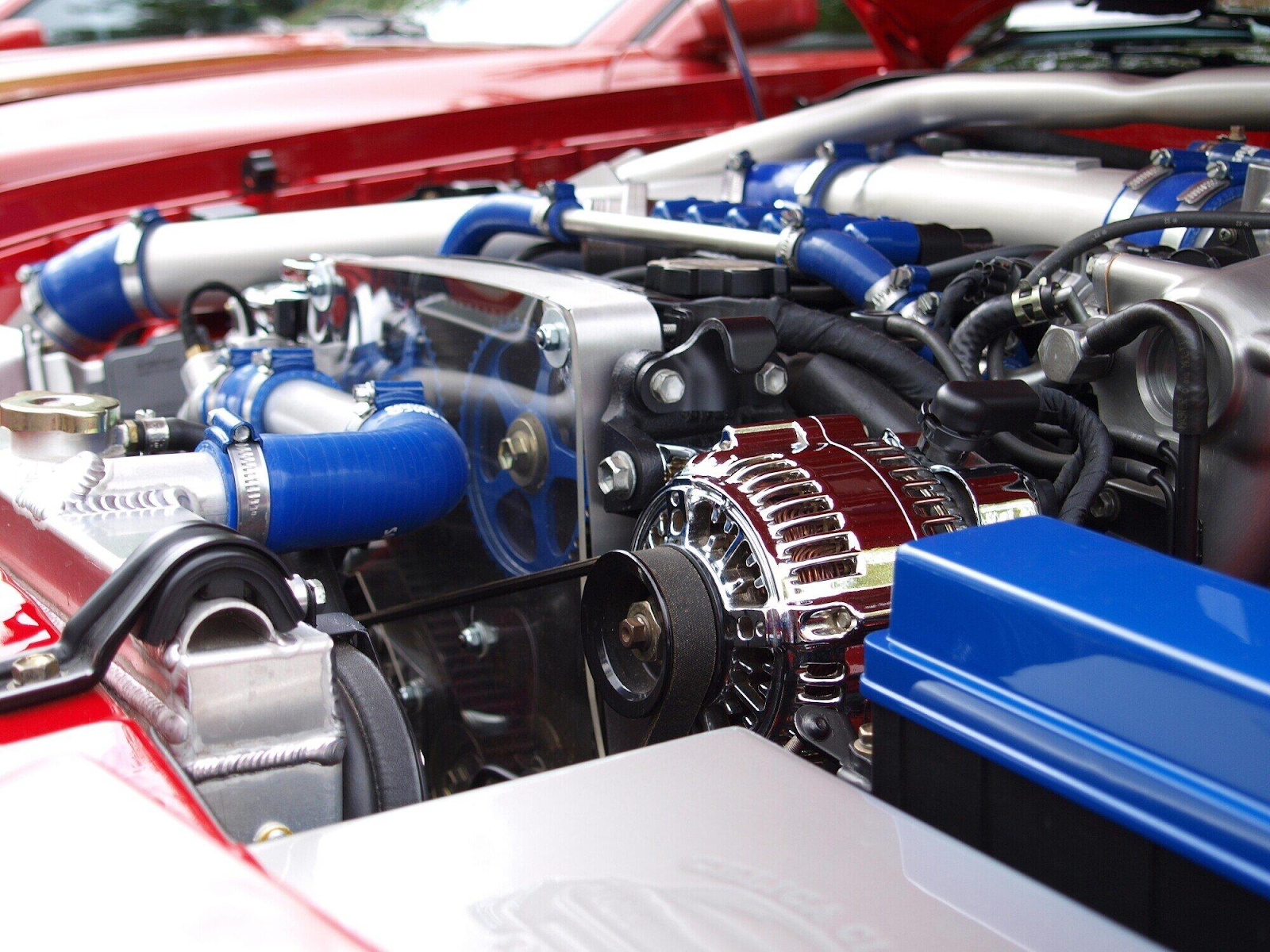
Forced-induction systems, like turbochargers and superchargers, push extra air into an engine. This extra air creates stronger combustion, which makes more horsepower and torque. Understanding how these systems work helps you choose the right one for your engine.
Turbochargers are great for high-speed performance because they generate strong boost at higher RPMs. Superchargers give instant power, making them perfect for street cars that need quick acceleration. The choice depends on your driving style and engine type.
Keeping the system in top shape is important. Regular oil changes, air filter checks, and inspecting components prevent loss of efficiency. Skipping maintenance can lead to expensive repairs or system failure.
Boost System Efficiency
Efficiency shows how much power your engine can gain without extra strain. A good system pushes more air while wasting less energy, giving smoother acceleration and better fuel use. Poorly designed systems can overheat, stress the engine, and reduce performance.
Engineers study boost curves and compressor maps to match the system to the engine. A well-matched system provides smooth power at all speeds. A bad match can create lag, reduce drivability, and shorten system life.
Checking airflow and intake quality is also key. High-quality parts and proper tuning make the power gains last. Small tweaks in airflow or timing can improve efficiency a lot.
Reliability and Longevity
Reliability is essential for any forced-induction upgrade. Parts like turbines, bearings, and belts must handle high heat and speed. Choosing tested brands lowers the risk of breakdowns.
Long-term reliability comes from proper installation and regular maintenance. Ignoring manufacturer instructions can wear out parts quickly. Routine checks and good heat management keep the system working for years.
Even minor details, like gaskets and hose routing, matter. Leaks or pressure drops reduce power and stress the engine. Durable hardware ensures safe, long-lasting performance.
Fit and Compatibility
Fit compatibility ensures the system works with your engine layout. Engine bay space often limits which systems can be installed easily. Measuring dimensions and checking mounting points saves frustration.
Compatibility also includes engine parts and electronics. Ignoring this can cause tuning problems, sensor issues, or poor performance. Stronger engine internals handle forced-induction better than stock parts.
Planning exhaust and intake routing is also important. Proper setup reduces pressure drops and heat buildup. Research and planning prevent costly adjustments later.
Cooling Needs
Forced-induction systems make extra heat, so cooling is crucial. Intercoolers lower intake temperatures for denser air, which improves power. Cooler air also reduces the risk of engine knock.
Upgraded radiators or oil coolers may be needed for high-boost systems. Good cooling keeps the engine steady under heavy use. Without it, turbochargers or superchargers can overheat and fail.
Getting air into the engine bay is also helpful. Vents and ducting are good ways to get rid of heat. Not cooling can hurt both performance and the life of a part.
Superchargers for Instant Power
Superchargers give you a boost right away, without having to wait for exhaust gases to arrive. They connect directly to the engine and keep the airflow steady from idle to redline. This gives you instant speed for street driving or drag racing.
Even though they use some engine power, superchargers always give you the same amount of torque. It doesn’t take as long to reach peak boost as turbos do. They stay reliable and work well as long as they are tuned and maintained properly.
How power feels depends on which type you choose, such as roots, twin-screw, or centrifugal. Each type has pros and cons when it comes to noise, efficiency, and installation.
Tuning and Performance Optimization
Tuning the engine makes it safer and gives it more power. The system is set up to work with your engine by changing the fuel, timing, and boost. If you don’t tune your engine right, it can knock, lose power, or even get damaged.
Professional software for tuning or dyno testing helps make sure the results are correct. Consistency in fuel, airflow, and timing keeps issues from happening. Errors of any size can hurt performance and shorten the life of a part.
Tuning should be checked often, especially after upgrades or when parts wear out. Power and dependability stay high as long as the settings are kept at their best. Costly repairs are avoided with this ongoing care.
Noise and Driveability
Forced induction can change how an engine feels and sounds. Superchargers make a whine, while turbochargers may whistle or spool. Some drivers like the sound, while others might want systems that are quieter.
With a boost, power delivery can feel more direct. It’s easier to use the throttle, and faster acceleration is more exciting. Choosing the right system and tuning it well can balance fun with everyday use.
Taking noise and ease of driving into account makes the car fun to drive. Power that is steady and smooth improves performance without sacrificing comfort. A good setup makes the whole experience better.
Cost and Value
You need to set aside money for the system, installation, and tuning for forced-induction upgrades. Cooling and making the engine stronger may also cost more.
Value comes from being reliable, efficient, and having steady power. Repairs cost more money when the system isn’t very good. Systems that are too cheap might break easily or need to be serviced often.
It’s also important to plan for future upgrades. Systems that let you make changes gradually are more adaptable. A smart investment balances short-term gains with long-term returns.
Maximizing Gains with Forced-Induction Systems
When safety, dependability, and efficiency are carefully thought through, forced-induction systems can safely make engines more powerful. Power gains last as long as you keep things cool, tune them correctly, and do regular maintenance.
For different types of driving, both superchargers and turbochargers have their own benefits. Finding the right balance between noise, ease of use, and cost guarantees a fun, useful vehicle. If drivers follow these tips, they can get the most out of their boost systems and avoid making common mistakes.
Did you like this guide? Great! Please browse our website for more!