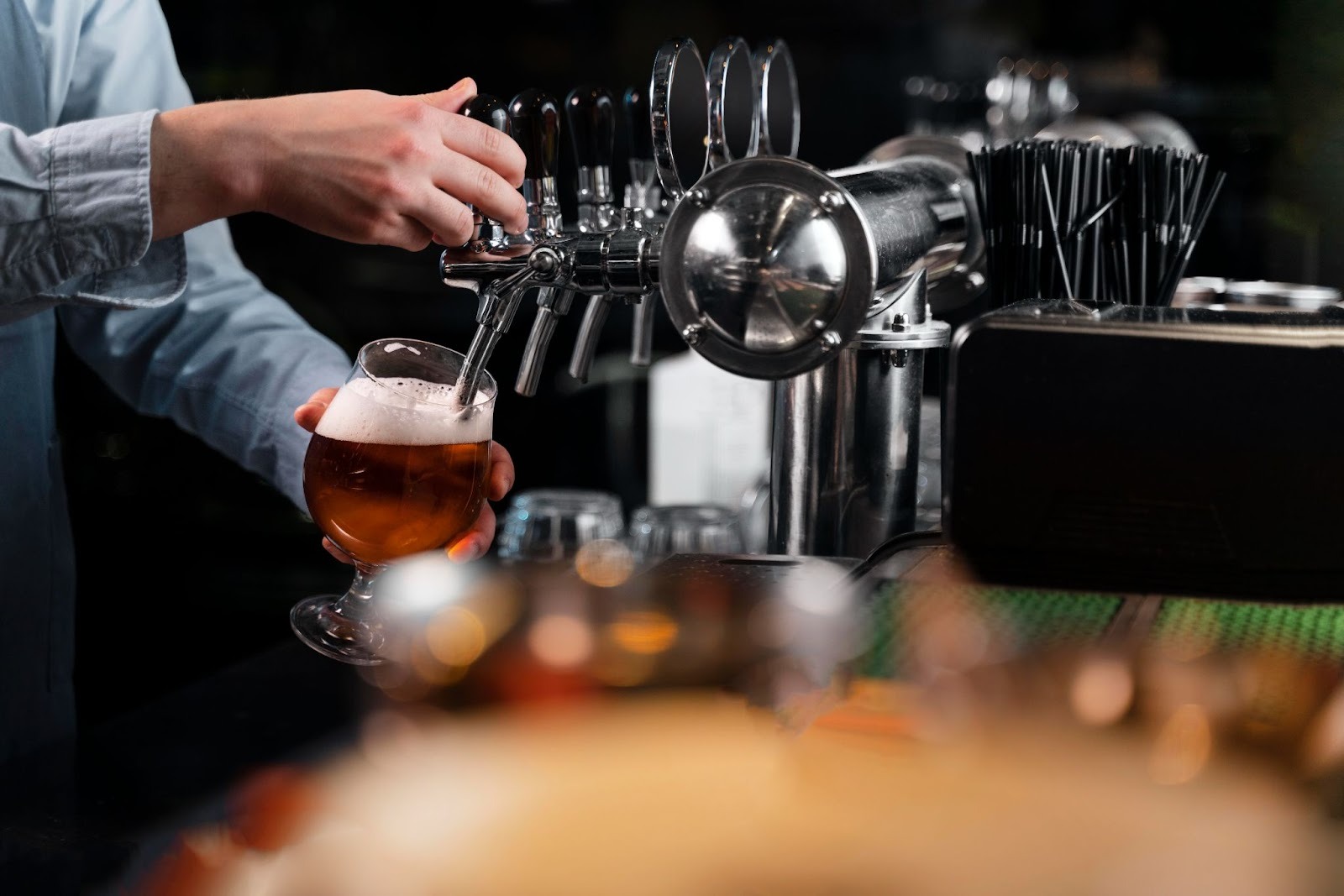
Bar programs are often limited by staffing capacity, pour inconsistency, and peak-hour congestion. A growing shift in beverage service strategy centers on Self Serve Bar Equipment as a structured alternative to traditional tap management. Rather than placing every draft transaction in the hands of staff, this system introduces monitored guest access supported by advanced draft engineering.
Self-serve bar equipment allows patrons to activate a secure account and dispense beverages within management-defined parameters. The system automatically records each pour, providing detailed reporting without requiring manual input. This removes reliance on visual estimation and reduces discrepancies between keg usage and recorded sales.
The result is a measurable improvement in draft accountability while preserving the social energy that draws customers to tap-focused venues.
Turning Beverage Variety Into Higher Per Capita Sales
Modern consumers expect variety, yet expansive tap lists can complicate service and inventory control. Self-serve bar equipment addresses this by enabling controlled sampling, allowing guests to pour smaller portions before deciding on a full serving. This structure encourages exploration without disrupting operational stability.
Offering flexible pour sizes can increase average spending, as guests are more inclined to try unfamiliar selections in modest amounts.
Operational advantages include:
- Adjustable ounce limits per transaction
- Dynamic pricing by tap
- Automatic cutoff at preset thresholds
- Guest consumption summaries
- Exportable sales data
These tools support informed pricing decisions and clearer visibility into product performance.
Strengthening Brand Presentation Through Layout Design
Self-serve bar equipment is not only a technical installation but also a visual focal point. Tap walls can be integrated into central floor plans, side corridors, or designated tasting zones. Proper draft design ensures that performance remains consistent regardless of layout.
Temperature control systems, balanced draft lines, and appropriate tower configurations maintain beverage quality from keg to glass. Experienced draft solution providers assess infrastructure requirements before installation, ensuring that pressure stability and cooling efficiency align with projected volume.
For businesses that also offer growlers and crowlers, integrating self-service taps within a unified draft framework maintains consistency in carbonation and taste. This approach supports both in-house service and packaged take-home sales under one engineered system.
Expanding Revenue Opportunities Across Concepts
Self-serve bar equipment fits seamlessly into breweries, entertainment complexes, hotel properties, and food-driven restaurant environments. It can also complement hybrid concepts that combine dining, retail beverage sales, and event hosting.
Rather than increasing staffing to meet demand, operators leverage technology to manage flow and maintain oversight. Multi-location businesses gain standardized reporting across sites, while independent operators benefit from clear inventory visibility and predictable margins.
Self-serve bar equipment introduces structured automation into the draft service process. By combining controlled access, accurate tracking, and professional installation, venues gain operational clarity while offering guests an interactive experience that encourages exploration and repeat visits.