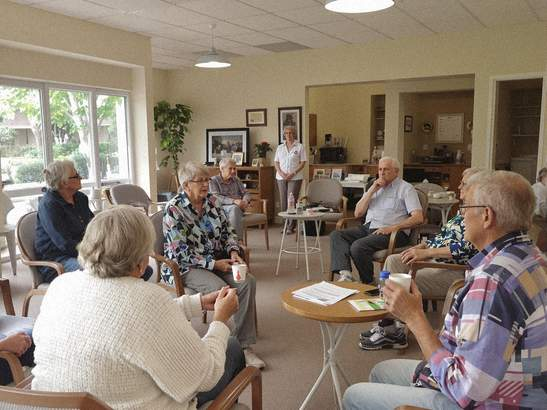
Can simple mental activities help older adults feel stronger during change? Life in assisted living brings new routines and adjustments. Keeping the mind active can make these changes easier to handle.
Cognitive activities provide comfort, structure, and focus. They support both emotional health and daily confidence. When the brain stays engaged, stress often feels lighter.
This article shows how mental activities build resilience and improve everyday well-being. Keep on reading!
Mental Exercise Supports Calm Emotions
Simple mental activities like word games, reading, and puzzles help keep the brain active. These activities give residents something familiar and enjoyable to focus on each day.
When the mind is busy in a positive way, anxious thoughts are less likely to take over. Residents often feel calmer because they are using skills they already know. Over time, this steady mental exercise supports emotional balance and patience.
Memory Activities Honor the Past
Memory-based activities help older people remember important events in their lives. Sharing traditions, stories, or music helps people feel grounded and important.
People do these things to remember who they are and where they came from. Memories of the past help us feel safe and at ease. This sense of continuity helps people feel stable, even when their daily routines change.
Problem Solving Builds Confidence
Games and activities that involve planning or thinking ahead help sharpen problem-solving skills. Each small success shows residents they can still overcome challenges.
Confidence grows when effort leads to progress. Residents feel encouraged when they solve problems on their own or with others. This steady success helps support a resilient mindset in senior living without pressure or stress.
Social Interaction Strengthens Resilience
A lot of cognitive activities are done with other people, which makes it easier to talk and connect. Residents feel more like they belong when they talk and laugh with each other.
Being around other people makes you feel less lonely. Emotional strength often goes up when people feel connected. Doing things together builds trust and friendships that help people stay strong.
Routine Creates Comfort and Stability
Setting regular times for mental activities can help you get into a routine every day. Residents feel better when they know what to expect from their routines.
Having a goal every day makes you more motivated and happier. Every day routines help keep things in order and calm down. Over time, this stability is good for your mental health.
Thoughtful Activities Support Healthy Aging
Things that help you think work best when they are clear and simple to follow. Activities should be geared toward each resident’s level of skill and go at a steady pace. Activities stay positive and fun with the help of staff guidance.
Everyone can feel good about taking part in a program that has been carefully planned. This balanced approach supports healthy aging by honoring tradition while keeping the mind active in a healthy way. Familiar structure helps residents feel safe, capable, and supported.
Build Resilience in Assisted Living with Cognitive Activities
Doing things that make you think are a big part of helping seniors feel good about change. These activities help keep your emotions in check by improving your memory, focus, and social connections.
Communities for assisted living that encourage mental stimulation tend to be calmer and friendlier places to live. Residents feel better when they have routines that are familiar and have a purpose.
Families also see better moods and more participation. These easy habits are tried-and-true ways to care for the whole person.
Did you like this guide? Great! Please browse our website for more!