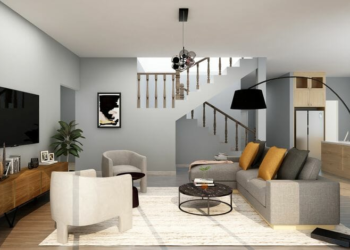
You know that feeling when you walk into someone’s living room and it just clicks? Everything feels balanced, intentional, purposeful. Then you walk into another room, similar furniture, similar colors, and something fe\els off. More often than not, the difference isn’t the sofa or the rug. It’s those smaller, quieter pieces doing the invisible work in the background.
That’s the role of a great end table. Seriously underestimated, consistently underrated. Incorporating living room end tables into your space isn’t just about having somewhere to set your coffee mug, these pieces ground seating arrangements, establish visual rhythm, and deliver the kind of cohesion that no sectional or statement rug can accomplish alone.
This guide covers the full picture: smart styling approaches, material trade-offs, space-saving solutions, and what’s actually trending in 2026.
Style and Function Aren’t Competing Priorities
Here’s something most furniture guides won’t say plainly: aesthetics matter just as much as utility. A 2026 ZipDo report found that 51% of furniture buyers rank style and design as the primary driver of purchase satisfaction. That’s a majority. It tells you something real about how people relate to the pieces in their homes, they want furniture that earns its place visually, not just practically.
And the good news? End tables have evolved. Shoppers who take time to browse a well-curated selection of living room end tables will find filtering options by material, price, and design style that make the whole process far less daunting than walking into a showroom cold.
Visual Harmony Isn’t Accidental
When an end table is placed thoughtfully alongside a sofa or armchair, it reinforces the natural symmetry of the space. The eye settles. Nothing feels mismatched or out of scale. That’s not coincidence, it’s intentional design working quietly in your favor.
What breaks this? A table that’s too tall, too bulky, or tonally wrong for the room. Scale and proportion are the unsung heroes of interior styling, and end tables are where those principles show up most clearly.
Practicality Without the Visual Clutter
The best end table ideas treat surface space as the starting point, not the finish line. Built-in drawers, lower shelving, integrated charging ports, nested tiers, these aren’t gimmicks. They’re answers to real daily friction.
Amazon trend data consistently reflects rising consumer demand for storage-forward and charging-enabled designs, which signals something straightforward: people want furniture that carries more than one job.
The Styles Defining Interiors in 2026
North America represents 34.2% of the global contemporary side tables market. That’s a dominant share, and it reflects just how central these pieces have become to how Americans design and inhabit their spaces.
Minimalist Metal and Glass Pairings
A side table for living room use with a slender metal frame and glass top achieves that clean, breathing quality that’s everywhere in modern interiors right now. These designs don’t compete, they complement. Light passes through, the room opens up, and nothing feels crowded.
Warm Wood, Rattan, and Sustainable Materials
There’s a genuine cultural shift happening toward organic materials. Reclaimed wood, bamboo, rattan, if you’re furnishing small living room furniture scenarios, a warm-toned wooden side table adds depth and texture without overwhelming the room. It also ages beautifully, which is something flat-pack alternatives rarely achieve.
Sculptural Mixed-Material Statement Pieces
Not every table needs to disappear into the background. An accent table complete space with contrasting marble-and-metal construction or sculptural base details earns a second look without demanding all the attention. Think of it as a quiet exclamation point in an otherwise composed room.
Nesting and Multi-Tiered Tables
Compact, clever, flexible, nesting tables are genuinely one of the smartest solutions in residential furniture. Pull them apart when guests arrive, tuck them together when the room needs to breathe. For apartments or multipurpose living spaces, this category deserves serious consideration.
How to Style an End Table That Looks Intentional
Picking the right table is half the job. Styling it well is the other half. These strategies work regardless of your overall design direction.
Start With a Base Layer
A small tray or placemat on the surface immediately creates structure. It defines a zone, prevents objects from looking scattered, and gives you a visual anchor for everything placed above it.
Apply the H.O.T. Framework
Heights, Organic elements, and a Tray, this simple rule has survived interior design trends for a reason. Vary the height of objects on your table. Include something natural (a plant, a stone, a piece of driftwood). Use a tray to ground it all. The result looks curated rather than accumulated.
Group in Odd Numbers
Three objects consistently read as more visually dynamic than two or four. It’s a minor adjustment with a disproportionate visual payoff. Try it once and you’ll stop second-guessing it.
Hidden Functionality for Tighter Spaces
For small living room furniture that actually earns its square footage, look for designs with drawers or open lower shelves. An accent table complete space should deliver both form and utility, and the best designs in 2026 absolutely do.
Smarter Choices for Compact Living Rooms
A smaller room isn’t a limitation, it’s a design constraint that pushes you toward smarter decisions. These solutions work without sacrificing livability or style.
C-Tables and Nesting Designs
C-tables slide cleanly under a sofa or chair, reclaiming floor space that a traditional end table would occupy. Nesting tables expand when you need them and tuck away when you don’t. Both are ideal for flexible, multifunctional rooms.
Slim Profiles With Open Leg Structures
A narrow footprint paired with open legs creates surface area without visual mass. A slim side table for living room placement in a tight corner can feel almost invisible, until you realize how much you’re reaching for it.
Glass and Open Bases Create Perceived Space
Transparent surfaces and open-frame bases allow the eye to travel through rather than stopping at the table. Hairpin legs and glass tops are classic for this exact reason. They deliver function while keeping the spatial feel light.
Material Choices That Age Well
The material you choose determines more than durability, it shapes the mood of the room and communicates something about your design values.
Sustainable Wood, Rattan, and Bamboo
Warm, eco-conscious, and increasingly in demand. These materials work across organic modern, farmhouse, and bohemian spaces with genuine versatility.
Metal and Marble for Elevated Polish
Brass or matte black metal frames paired with marble tops manage to feel both timeless and contemporary simultaneously. These combinations hold up in high-style spaces without tipping into excess.
Sealed and Stone Surfaces for Practical Households
If you have kids, pets, or simply a busy household, sealed wood and stone finishes are the practical choice. Scratch-resistant, easy to wipe down, and genuinely durable, qualities that matter far more after six months of daily use than they do in the showroom.
Frequently Asked Questions
What spacing rules apply to living room side tables?
Keep the table within easy reach of the sofa arm. Maintain roughly 30 inches of walkway clearance and about 16–18 inches between the coffee table and sofa for comfortable movement.
Can two end tables replace a coffee table?
Yes, especially in tight spaces. Flanking a seating arrangement with end tables frees up central floor area and allows more flexible furniture arrangement overall.
What’s the right height relative to a sofa arm?
Stay within two inches of the sofa arm height, either slightly above or below. Anything outside that range creates awkward reach and disrupts the visual line of the room.
Best material for families with kids or pets?
Solid wood, stone, or sealed metal. Avoid glass tops in high-traffic situations, they chip, scratch, and require far more maintenance than they’re worth.
How do you handle end tables with a sectional?
Place at least one table at each accessible corner or endpoint. Prioritize pieces that don’t obstruct traffic flow or visually compete with the sectional’s mass.
The Quiet Power of a Well-Chosen End Table
In rooms that feel genuinely finished, living room end tables are rarely the loudest element, but they’re often the most necessary one. They bring everything else into alignment. They meet real daily needs. They signal that a space was designed with actual intention, not just filled with furniture.
Whether you’re refining end table ideas for a full renovation or simply repositioning a side table for living room use to better serve your daily routine, the right table changes more about a room than its size suggests. Start there. The rest of the room tends to follow.