Have you ever wondered why some floors stay strong and attractive while others wear out far too quickly? Choosing the right surface can feel confusing when so many modern options claim to last longer and perform better. Homeowners want floors that handle daily life without constant worry or repair.
The good news is that durable surfaces are easier to understand than they seem. When you know what to look for, smart choices become clear and simple.
This guide will explain what matters most and how to avoid common mistakes. By the end, you will feel confident selecting a surface that truly fits your home and lifestyle.
Understanding What Rigid Core Surfaces Are
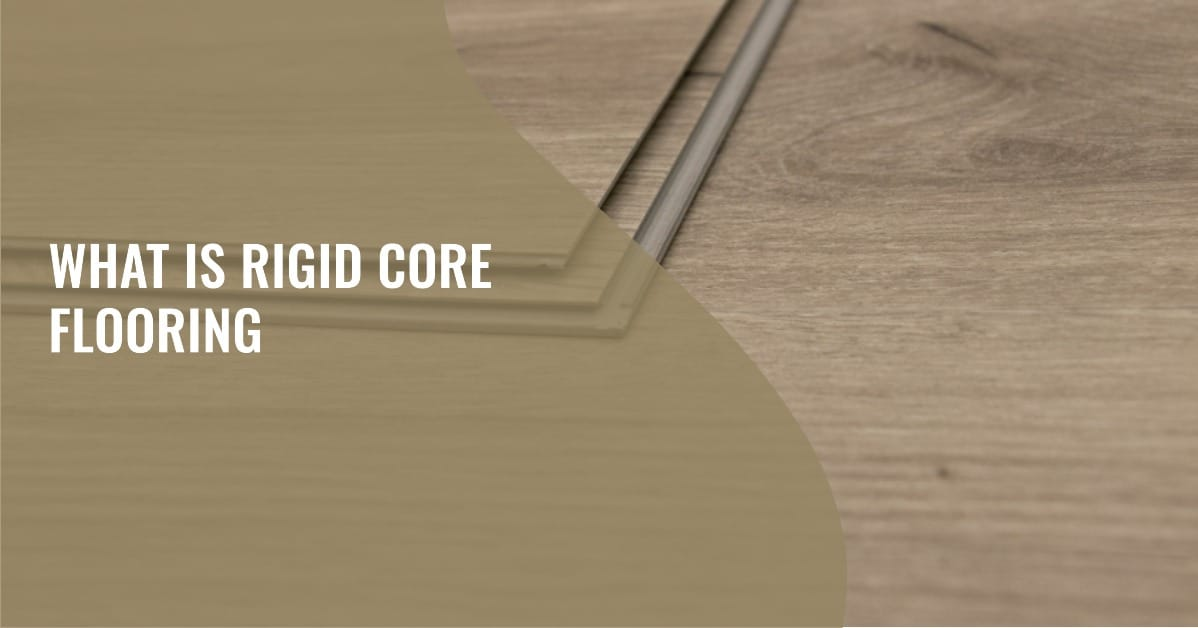
Rigid core surfaces are designed with strength and structure in mind. They use a solid inner layer that resists bending, dents, and damage from daily use. This firm core helps the surface stay flat even when conditions change.
It also supports the top layer, which adds style and texture. Many homeowners choose these surfaces because they combine durability with comfort. The core layer gives stability, while the surface layer offers a natural look.
Another advantage of rigid core surfaces is their ability to handle everyday pressure without losing shape. Heavy furniture and constant foot traffic are less likely to leave marks or cause weak spots. This added resilience helps the surface maintain its quality and appearance over many years of regular use.
This balance makes them suitable for busy homes. Families with pets, children, or frequent visitors often prefer this type of flooring. These surfaces are also known for easy installation.
Their strong structure allows them to lock together securely. This reduces gaps and movement over time. As a result, the floor feels solid underfoot and looks neat for years.
Why Everyday Durability Matters
Everyday life places constant stress on floors. Shoes track in dirt, furniture shifts, and spills happen without warning. A durable surface stands up to these challenges without losing its shape or appearance.
This reliability helps reduce long-term repair and replacement costs. Durability also affects comfort and safety. A strong surface resists cracks and soft spots that can cause trips or falls.
When floors stay even, walking feels smoother and more secure. This is especially important in homes with children or older adults. Long-lasting surfaces also save time and effort.
Less damage means fewer repairs and less maintenance. Homeowners can focus on enjoying their space instead of fixing problems. This peace of mind is a major benefit of choosing wisely.
Stability and Structure in Modern Surfaces
Stability is one of the most important qualities to consider. A stable surface stays flat and secure even when temperatures change. This helps prevent warping, buckling, or gaps between planks.
Strong core materials play a key role in maintaining this balance. Modern surfaces are built to handle pressure from heavy furniture and foot traffic. The rigid core distributes weight evenly across the floor.
This reduces stress on individual sections and prevents dents. Over time, this design keeps the surface looking smooth and consistent. A stable surface also supports long-term performance.
When floors remain level, they age more gracefully. Small changes in the environment have less impact. This makes the floor a dependable choice for many rooms in the home.
Water Resistance and Moisture Control
Water is one of the biggest threats to flooring. Spills, leaks, and humidity can cause serious damage if a surface is not prepared. Water resistant designs help protect the core from swelling or breaking down.
This feature is especially useful in kitchens, bathrooms, and entryways. Modern rigid core surfaces often include protective layers that block moisture. These layers keep water from reaching the core.
Even when spills sit briefly, the surface remains stable. Quick cleanup is still important, but the risk of damage is lower. Moisture control also helps maintain indoor comfort.
Floors that resist water are less likely to develop mold or odors. This contributes to a healthier living environment. Homeowners can feel confident using these surfaces in busy areas.
Comfort Underfoot for Daily Living
Comfort plays a big role in how a floor feels day after day. Rigid core surfaces may sound hard, but many are designed with comfort in mind. The layered structure absorbs some impact, making walking easier on joints.
This can make a noticeable difference over time. Some surfaces include built-in padding or backing layers. These features add softness without reducing strength.
The result is a floor that feels supportive but not harsh. This balance is ideal for rooms where people stand or walk often. Comfort also affects sound levels.
Solid construction helps reduce hollow noises when walking. A quieter floor creates a calmer home environment. This is especially appreciated in open living spaces or apartments.
Style and Surface Appearance
Durability does not mean sacrificing style. Modern rigid core surfaces come in many designs and finishes. They can mimic the look of wood, stone, or other natural materials.
This allows homeowners to match their floors to their personal taste. The top layer is designed to resist scratches and fading. This helps the surface maintain its appearance even with heavy use.
Colors stay consistent, and textures remain clear. Over time, the floor continues to look attractive. Choosing a style that fits your home adds value beyond function.
A well-designed surface enhances the overall feel of a room. When durability and appearance work together, the result is a floor that satisfies both practical and visual needs. This balance helps create a space that feels welcoming, reliable, and comfortable for everyday living.
Installation and Fit in Different Rooms
Installation affects how well a floor performs. Rigid core surfaces are often designed for straightforward installation. Their locking systems help ensure a tight fit.
This reduces movement and keeps the floor secure. Proper fit is important in rooms with uneven subfloors. The strong core can bridge small imperfections.
This creates a smooth surface without extensive preparation. Homeowners save time and effort during installation. Different rooms have different demands.
Living areas need comfort and style, while kitchens need moisture resistance. Rigid core surfaces adapt well to many spaces. Their versatility makes them a popular choice throughout the home.
Maintenance and Long Term Care
Easy maintenance is another key advantage. Most rigid core surfaces only need regular sweeping and occasional mopping. Their protective layers resist stains and scratches.
This keeps cleaning simple and quick. Long-term care focuses on prevention. Using furniture pads and cleaning spills promptly helps preserve the surface.
These small habits extend the life of the floor. Over time, the surface continues to perform well. Low maintenance also supports long-term value.
Homeowners spend less on repairs and special treatments. This makes the surface a practical investment. The combination of durability and easy care appeals to many families.
Performance Value Over Time
Performance value means how well a surface holds up compared to its cost. Durable floors often cost more upfront but save money later. They last longer and need fewer repairs.
This balance makes them a smart choice for long-term planning. Rigid core surfaces are designed for consistent performance. Their structure resists common forms of damage.
This reduces the need for replacement. Over many years, this reliability adds real value. Homeowners also benefit from stable appearance.
Floors that look good for longer enhance the home’s appeal. This can be important for resale or personal satisfaction. Strong performance over time supports both comfort and investment goals.
Choosing the Right Option for Your Home
Selecting the right surface starts with understanding your needs. Consider how each room is used and what challenges it faces. High traffic areas need strong resistance, while quiet spaces may focus more on comfort.
Matching features to use helps ensure satisfaction. It is also helpful to compare quality indicators. Look for solid construction, protective layers, and reliable locking systems.
These features signal durability and performance. A well-made surface feels sturdy and secure. For those seeking guidance, resources like the TRUCOR flooring buying guide can help explain options and benefits.
Trusted information supports better decisions. With the right knowledge, choosing becomes less stressful and more rewarding. Homeowners feel more confident knowing their choice will perform well over time.
Making a Confident and Lasting Choice
Confidence comes from understanding what matters most. When homeowners know how surfaces perform, choices feel clearer. Rigid core surfaces offer strength, comfort, and style in one package.
This combination suits many modern homes. Taking time to evaluate options pays off. A thoughtful decision reduces future worries.
Floors become a reliable part of daily life instead of a concern. This sense of ease is valuable. As you move forward, focus on durability, comfort, and long-term value.
These qualities support a positive living experience. A well-chosen surface can truly enhance your home. It helps create spaces that feel comfortable, dependable, and enjoyable every day.
When a surface matches how a home is used, it performs better and feels more satisfying over time. This alignment between needs and materials leads to lasting comfort and peace of mind.
A Strong Foundation for Everyday Living
Choosing the right flooring is about building a home that supports daily life with ease. When strength, comfort, and performance come together, floors become dependable partners in every room. Understanding how rigid core surfaces perform helps homeowners make choices that last.
A durable surface reduces stress and adds confidence to daily routines. With the right approach, floors stay attractive and reliable for years. Smart selection leads to lasting satisfaction and peace of mind. Did this guide help you? Browse t