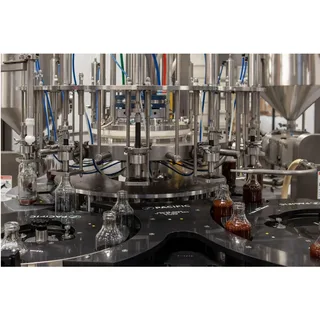
In the manufacturing world, precision is key. Whether you’re filling pharmaceutical syrups, nutraceutical liquids, or cosmetic serums, ensuring accuracy in every drop is vital for product quality and customer satisfaction. This is where the microdose filling machine comes into play. These machines are specifically designed to dispense extremely small, precise doses of liquid, ensuring accuracy down to the microliter.
In this article, we’ll explore what a microdose filling machine is, how it works, its key benefits, industries that rely on this technology, and the factors to consider when choosing the right machine for your business.
What is a Microdose Filling Machine?
A microdose filling machine is a specialized equipment designed to fill extremely small amounts of product, usually in microliters or milliliters, with incredible precision. These machines are essential in industries where accurate dosing is critical to both the safety of the consumer and the consistency of the product.
Unlike traditional filling machines, microdose machines focus on very low volumes, making them ideal for industries like pharmaceuticals, nutraceuticals, cosmetics, and specialty foods where even the smallest error in dosing can result in significant consequences.
How Do Microdose Filling Machines Work?
Microdose filling machines use a variety of mechanisms to ensure precise, accurate filling of small doses. These machines generally rely on the following technologies:
1. Syringe-Based Systems
These systems use a syringe and piston arrangement to draw a precise amount of product before dispensing it into the packaging. The syringe’s piston stroke controls the volume of liquid dispensed, allowing for ultra-accurate micro-dosing.
2. Peristaltic Pumps
A peristaltic pump system uses flexible tubing to move liquid by squeezing it through the tubes, which prevents contamination and is especially suitable for delicate or shear-sensitive products. The pump adjusts the volume of product dispensed based on the set dosage.
3. Time-Pressure Dosing
This method involves controlling the time a product is under pressure to release a specific amount. The time-pressurizing mechanism is most commonly used for low-viscosity products like essential oils, small-batch fragrances, or liquid medicines.
Key Benefits of Microdose Filling Machines
1. High Precision and Accuracy
The core benefit of microdose filling machines is their unmatched precision. These machines ensure that each product is dispensed with minimal variation, which is crucial when dealing with pharmaceuticals or other products that require exact dosages. Whether it’s for a small vial of medicine or a drop of essential oil, microdose machines ensure every container receives the correct dose.
2. Reduced Waste
Traditional filling methods often lead to product waste due to overfilling. Microdose machines are designed to minimize waste by delivering the exact required volume of liquid, making them an efficient solution in industries where even minor waste could result in significant losses.
3. Consistency in Production
In regulated industries like pharmaceuticals, consistency is essential. A microdose filling machine ensures that each unit produced is identical in terms of dosage and quality. This consistency leads to better product reliability, fewer complaints, and a stronger brand reputation.
Industries That Benefit from Microdose Filling Machines
1. Pharmaceuticals
In the pharmaceutical industry, accurate dosing is critical. Whether you’re filling syringes with injectable drugs or small vials with liquid medicine, microdose filling machines ensure that each dose is precisely measured, which is vital for both safety and compliance with regulatory standards.
2. Nutraceuticals
Nutraceutical companies use microdose filling machines to package supplements and extracts. Whether it’s herbal tinctures, liquid vitamins, or liquid extracts, these machines ensure the precise delivery of active ingredients in each dose, which is essential for maintaining product efficacy.
3. Cosmetics and Personal Care
Cosmetic brands use microdose technology for packaging high-end beauty products like serums, oils, and essences. The precision of microdose filling ensures that consumers receive the right amount of product with each use, which helps in maintaining brand loyalty and satisfaction.
How to Choose the Right Microdose Filling Machine
When selecting a microdose filling machine for your business, consider the following factors to ensure you choose the best machine for your needs:
1. Volume Precision
Ensure that the machine offers the precision your product requires. Whether you’re filling microliters or milliliters, the machine should allow for tight tolerances with minimal variance. Check the manufacturer’s specifications for dosing accuracy.
2. Viscosity of the Product
Different filling systems handle different viscosities. If you’re working with thicker liquids like gels or creams, you may need a more robust system, such as a piston or peristaltic pump, that can handle higher viscosity products.
3. Production Speed
While microdose filling machines are typically slower than traditional machines due to their precision, it’s still important to choose a machine that meets your required production speed. Consider how much product you need to fill in a given time frame and choose a machine that balances precision with efficiency.
Conclusion
The microdose filling machine is an invaluable tool for industries where precision, efficiency, and quality control are paramount. Whether you’re filling small vials of medicine, premium beauty serums, or high-end nutraceutical products, these machines provide the accuracy and reliability you need for consistent production.
By choosing the right microdose filling machine for your business, you can ensure the quality of your products, reduce waste, and improve your overall production efficiency, all while meeting regulatory requirements.