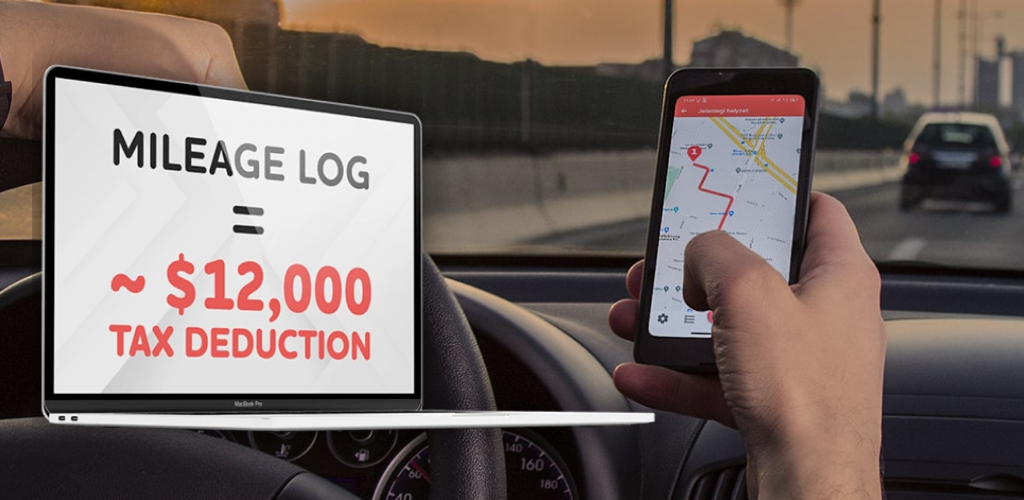
Using a reliable mileage tracker is one of the smartest financial habits for anyone who drives for business. In 2025, with stricter IRS documentation rules, rising vehicle operating costs, and the growth of gig and freelance work, accurate mileage tracking has transformed from a convenience into a necessity. Whether you’re self-employed, a delivery driver, a contractor, a real estate professional, or an employee using your own vehicle for work, proper mileage tracking can dramatically impact your taxes and reimbursements.
What a Mileage Tracker Really Does
A mileage tracker automatically records your trips using GPS, then categorizes each drive as business or personal. Instead of writing down miles or guessing distances at tax time, the app logs every detail with precision — distance, start and end points, time, date, and route.
It replaces:
- Notebooks
- Spreadsheets
- Manual odometer checks
- Guessing past trips
This automation removes errors and ensures your mileage deduction is fully supported if ever reviewed.
Why Mileage Tracking Is So Important in 2025
Driving costs continue to increase, and the IRS is more focused on clean documentation than ever before. A mileage tracker protects deductions by creating timestamped, verifiable records.
Rising expenses in 2025 include:
- Insurance premiums
- Maintenance and repairs
- Tire and parts costs
- Fuel price fluctuations
- Depreciation on daily-use vehicles
Since the mileage deduction is designed to offset these costs, tracking every mile accurately is essential for maximizing your yearly tax benefit.
Who Benefits Most from Using a Mileage Tracker
Many workers qualify for mileage deductions, but certain groups gain significantly more due to frequent driving.
High-benefit groups:
| Worker Type | Why They Need a Tracker |
| Gig workers | Dozens of trips per day |
| Freelancers | Travel across client sites |
| Sales reps | Constant meetings & routes |
| Contractors | Job-site visits & supply runs |
| Real estate agents | Property showings |
| Technicians | Frequent service calls |
Even drivers who log only occasional business miles see meaningful tax savings when those miles are consistently tracked.
Business vs Personal Miles: The IRS Rules
A mileage tracker helps keep business and personal miles separate — something the IRS requires.
Business miles (deductible):
- Client meetings
- Job-site travel
- Picking up business supplies
- Driving between work locations
Personal miles (not deductible):
- Commuting from home to work
- Family errands
- Leisure or vacation trips
Misclassifying miles is one of the fastest ways to lose deductions — or trigger audit questions.
What the IRS Requires for Documentation
The IRS expects detailed logs for mileage deductions. A mileage tracker creates these records automatically, ensuring compliance.
Logs must include:
- Date of each trip
- Purpose of the trip
- Start and end location
- Total miles driven
- Yearly mileage summary
Manual logs often miss details — a digital tracker keeps everything clean, consistent, and audit-ready.
Manual Tracking vs Mileage Tracker Apps
The difference between manual logs and a digital mileage tracker is significant.
Comparison:
| Feature | Manual Log | Mileage Tracker App |
| Accuracy | Inconsistent | GPS-verified |
| Effort | High | Minimal |
| Risk of loss | High | Cloud backed |
| Audit strength | Weak | Strong |
| Time cost | Large | Very small |
This is why digital mileage tracking has become the standard for business drivers.
The Biggest Mistakes People Make Without a Mileage Tracker
Many taxpayers reduce their deductions because of poor recordkeeping.
Common mistakes:
- Estimating mileage
- Forgetting short trips
- Logging only monthly totals
- Mixing business and personal distance
- Losing paper logs
- Trying to rebuild logs at tax time
A mileage tracker prevents all of these issues by capturing every trip automatically.
How Mileage Tracking Saves Money
The mileage deduction is one of the easiest ways to reduce taxable income. The more you drive, the more you save.
Example annual impact:
| Annual Business Miles | Estimated Deduction Value |
| 2,500 miles | Noticeable savings |
| 5,000 miles | Strong yearly deduction |
| 10,000 miles | Very significant savings |
| 15,000+ miles | Maximum tax reduction |
Workers in delivery, logistics, and mobile services often exceed 15,000–20,000 miles per year — making mileage tracking extremely valuable.
Why Mileage Trackers Are Essential for Gig Workers
Gig workers drive far more than traditional employees. Their earnings rely heavily on understanding true profit after expenses. A mileage tracker helps reveal real costs and reduces tax liability.
Gig workers benefit because it:
- Captures thousands of small trips
- Protects against overpaying taxes
- Shows profitability across shifts or zones
- Helps estimate fuel & maintenance needs
Without automatic tracking, gig workers almost always miss deductible miles — losing large amounts of money yearly.
Audit Protection: Why Accurate Logs Matter
If the IRS ever asks for proof of mileage, estimated numbers or incomplete logs can be denied. GPS-verified logs from a mileage tracker give strong audit protection and demonstrate compliance.
Proper logs ensure:
- Deductions remain intact
- No penalties or back taxes
- Fast, straightforward audit outcomes
Digital tracking is the best long-term safety net.
Preparing for Tax Season in 2025
Mileage is one of the hardest deductions to reconstruct at tax time — unless it’s tracked automatically. With a mileage tracker, drivers can export a clean report with all required details in seconds.
This makes tax filing:
- Faster
- More accurate
- Less stressful
And helps taxpayers avoid mistakes that reduce refunds or increase tax liability.
Final Thoughts
In 2025, accurate mileage tracking is no longer optional for business drivers — it’s essential. A reliable mileage tracker captures every trip, separates business from personal miles, generates clean IRS-ready logs, and provides powerful audit protection. For gig workers, small business owners, contractors, and freelancers, it can dramatically increase yearly savings. With automated tracking, drivers ensure they never lose another deductible mile — and never face the stress of manual logging again.