The world of business is evolving rapidly, and payroll management is no exception. In 2026, modern payroll technology has become a central component of efficient business operations, transforming how companies handle employee compensation, compliance, and reporting. Organizations of all sizes are leveraging digital solutions to streamline processes, reduce errors, and improve employee satisfaction.
The Shift Toward Automation
Automation has reshaped payroll management. Traditional payroll processing involved manually calculating wages, deductions, and taxes, which was both time-consuming and prone to errors. Today, businesses are turning to advanced payroll software that automates calculations, tax withholdings, and reporting. By using these solutions, companies can significantly reduce the risk of miscalculations and compliance issues.
Automation also allows HR teams to focus on strategic initiatives rather than administrative tasks. For instance, cloud-based systems can integrate with time-tracking and attendance platforms, ensuring that employee hours are accurately recorded and payroll is processed efficiently. This integration eliminates the need for redundant data entry and helps avoid costly mistakes.
Enhanced Accuracy and Compliance
One of the most significant benefits of modern payroll technology is improved accuracy and compliance. Payroll software in 2026 is equipped with features that automatically apply federal, state, and local tax regulations. This reduces the likelihood of errors that could result in penalties or legal issues. Additionally, these systems provide real-time updates to tax codes and labor laws, ensuring that businesses stay compliant even as regulations change.
Moreover, digital payroll platforms offer detailed reporting capabilities. Companies can generate reports on employee earnings, tax withholdings, and benefits contributions with just a few clicks. This level of transparency not only helps businesses stay compliant but also provides valuable insights for financial planning and decision-making.
Employee Experience and Satisfaction
Modern payroll technology is not just about efficiency and compliance; it also significantly impacts employee experience. Employees today expect fast, accurate, and transparent payroll processes. By adopting advanced payroll systems, businesses can meet these expectations and enhance overall satisfaction.
Self-service portals are a common feature in contemporary payroll solutions. These portals allow employees to view pay stubs, download tax documents, and update personal information without needing to contact HR. For freelancers or small business employees, a paystub generator can simplify access to official earnings documentation, which is essential for taxes, loan applications, and other financial processes.
Cost Savings and Resource Optimization
While investing in payroll technology may seem costly initially, the long-term benefits often outweigh the expenses. Automation reduces the need for extensive manual labor, decreasing administrative costs. It also minimizes errors that could lead to fines or audits, ultimately protecting the business financially.
Additionally, cloud-based payroll solutions often include scalable pricing models, making them accessible to small and medium-sized enterprises. Companies can pay for the services they need without investing in expensive infrastructure. This flexibility allows businesses to allocate resources more effectively and focus on growth initiatives rather than payroll administration.
Integration With Other Business Systems
Modern payroll platforms are rarely standalone applications. They often integrate seamlessly with other business systems, such as accounting, human resources, and benefits administration software. This interconnected approach provides a holistic view of employee data, allowing businesses to make more informed decisions.
For example, integration with accounting systems ensures that payroll expenses are accurately reflected in financial reports. This helps business leaders understand labor costs and make strategic budgeting decisions. Similarly, connecting payroll with HR software enables tracking of employee performance, benefits, and career progression alongside compensation data, creating a more comprehensive human capital strategy.
Flexibility and Remote Work Adaptation
The rise of remote work has further emphasized the importance of modern payroll technology. In 2026, businesses often have geographically dispersed teams, including full-time employees, contractors, and freelancers. Payroll systems that support multiple pay structures, currencies, and compliance requirements are essential for managing this diversity efficiently.
Free paystub template options and digital documentation solutions empower remote workers to access their earnings information conveniently, maintaining transparency and trust. This capability also reduces administrative burdens for employers managing distributed teams.
Data Security and Privacy
With digital payroll technology, data security and privacy are critical considerations. Payroll systems handle sensitive information, including social security numbers, bank account details, and tax filings. Advanced encryption, access controls, and regular audits help ensure that employee data is protected against breaches or unauthorized access.
In 2026, businesses are increasingly adopting platforms that comply with global data privacy standards. Ensuring secure payroll processes not only protects the organization legally but also fosters employee confidence in how their personal information is handled.
The Future Outlook
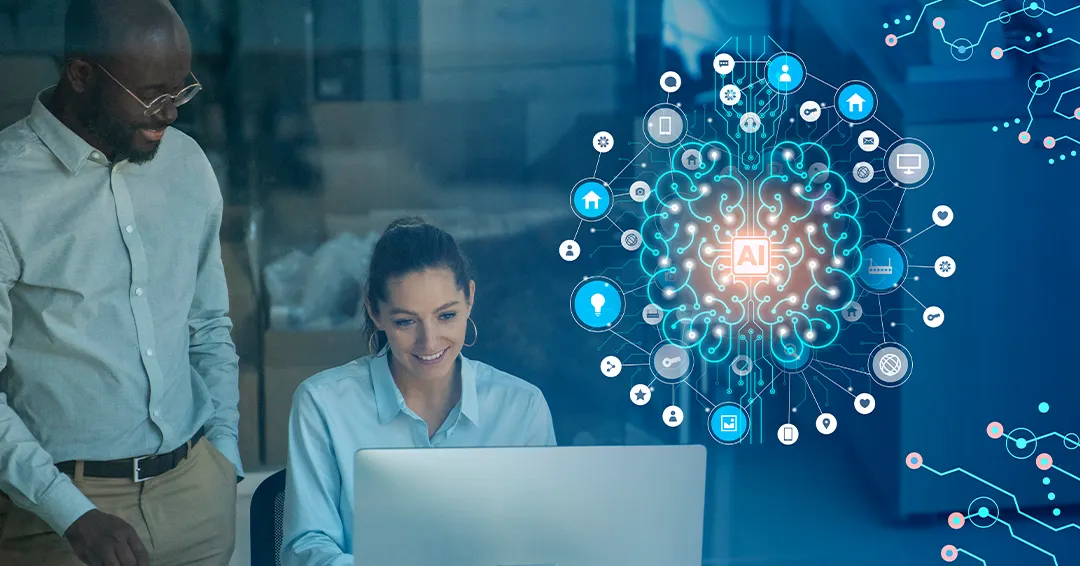
As technology continues to advance, payroll systems will become even more sophisticated. Artificial intelligence and machine learning are expected to play a larger role in predictive payroll analytics, helping businesses forecast labor costs, identify anomalies, and optimize compensation strategies.
Overall, modern payroll technology has a profound impact on business operations. By automating processes, enhancing compliance, improving employee satisfaction, and integrating with other systems, these tools allow companies to operate more efficiently and strategically. For businesses in 2026 and beyond, embracing advanced payroll solutions is not just a convenience it is a competitive necessity.