Music is one of the most powerful forms of expression. It can bring joy, calm, and excitement. Learning a musical instrument is a great way to develop skills, boost creativity, and enjoy life.
Different instruments serve different purposes. Some are perfect for beginners, while others are more suitable for professional performances. This article explores various quality music instruments for learning, performance, and creativity.
The Piano: A Foundation for All Musicians
The piano is one of the most popular instruments in the world. It is great for beginners and experts alike. Playing the piano helps develop finger strength and coordination. It also improves understanding of musical theory. Many famous composers, such as Mozart and Beethoven, created masterpieces on the piano.
Acoustic pianos provide a rich and resonant sound that feels alive. They are perfect for concerts and serious practice. Digital pianos, on the other hand, offer flexibility and extra features. You can adjust volume, record your music, or use headphones for private practice.
The Guitar: Versatile and Expressive
The guitar is another widely loved instrument. It is easy to start learning on an acoustic guitar. Electric guitars are popular for rock, jazz, and modern music. The guitar allows musicians to play chords, melodies, and solos. It is portable and versatile, making it easy to practice anywhere.
Guitars come in many shapes, sizes, and styles. Classical guitars have nylon strings that are softer on the fingers, while steel-string guitars have a brighter sound. Electric guitars can be connected to amplifiers to create a wide range of effects.
The Violin: Elegance and Precision
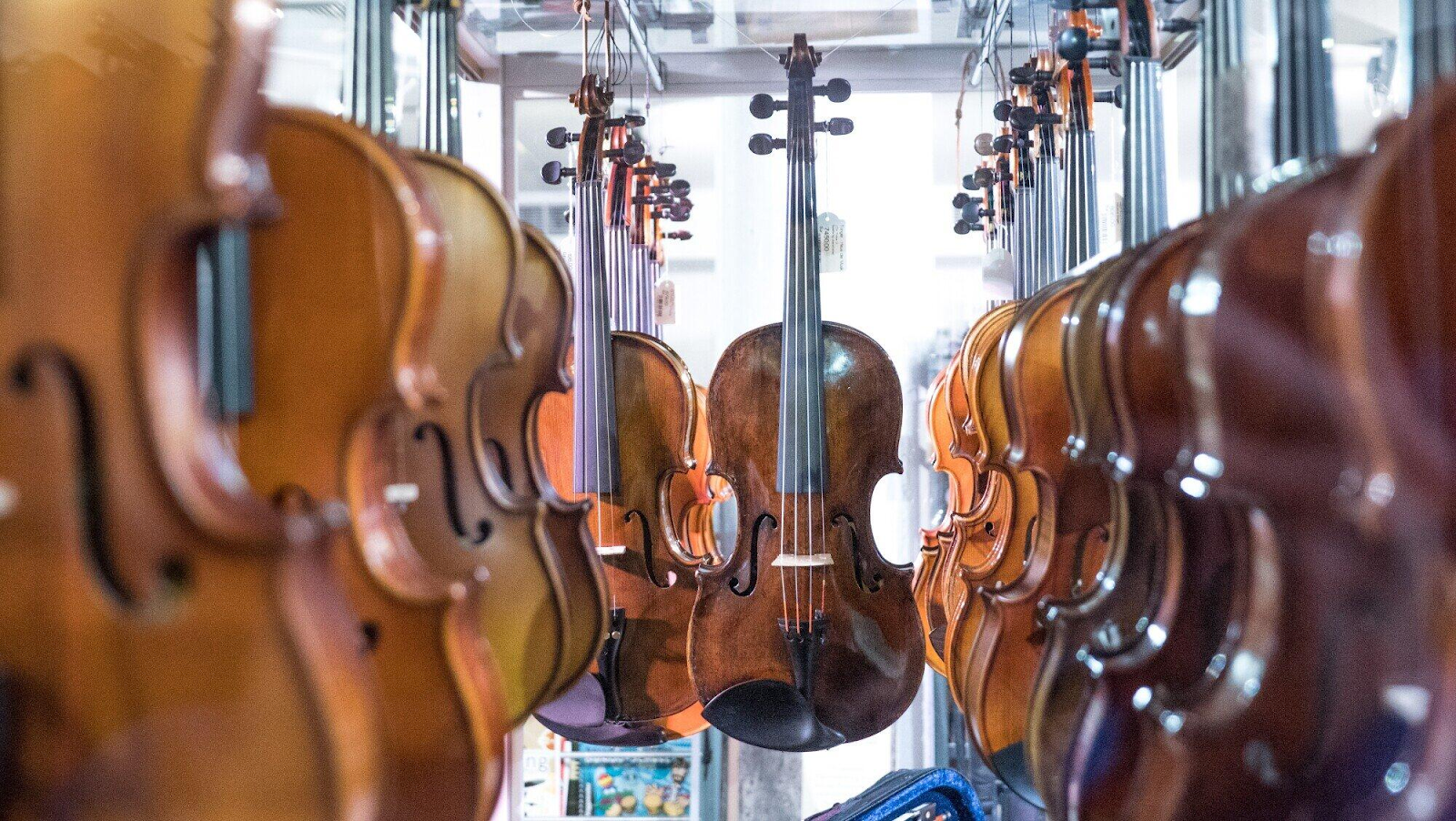
The violin is a string instrument known for its beautiful sound. It is common in classical music but also used in folk and modern styles. Playing the violin requires patience and practice. It helps develop focus, ear training, and fine motor skills.
Violins come in different sizes for children, beginners, and adults. A quality violin produces rich tones that inspire both performers and listeners. Bowing techniques, finger placement, and posture are all important to creating a clear sound.
The Drums: Energy and Rhythm
Drums are the backbone of many music genres. They provide rhythm and energy to a performance. Beginners can start with simple drum sets or even hand drums like the djembe. Drums are also used in marching bands, orchestras, and modern music groups.
Playing drums improves coordination and timing. Drummers learn to control beats, tempo, and dynamics. Drum kits come in acoustic and electronic versions. Electronic drums are quiet and easy to practice with headphones, while acoustic drums provide a more authentic feel.
The Flute: Light and Melodic
The flute is a wind instrument that produces a soft and melodic sound. It is popular in classical, jazz, and folk music. The flute helps improve breath control and finger agility. Beginners often start with student flutes, which are lighter and easier to handle.
Flute players can perform solos or be part of bands and orchestras. The instrument can also be used for composing new pieces. Playing the flute teaches musical phrasing, tone quality, and expression. Many people enjoy the gentle and airy sound of the flute, which can evoke a wide range of emotions.
The Saxophone: Smooth and Powerful
The saxophone is a brass instrument with a unique sound. It is widely used in jazz, blues, and pop music. Saxophones come in different types such as alto, tenor, and baritone. Each type has its own tone and range.
Playing the saxophone helps with breath control, finger coordination, and musical expression. It is expressive, allowing musicians to play smooth melodies or strong solos. The saxophone is often featured in ensembles, solo performances, and recordings.
The French Horn: Classical and Rich Tones
The French Horn instrument is a brass instrument famous for its deep and rich tones. It is commonly used in orchestras and classical music. Learning the French horn can be challenging, but it is very rewarding.
The instrument helps develop strong lung capacity, embouchure control, and musical precision. French horn players often need patience and persistence to master the instrument. The unique sound of the French horn adds beauty to orchestras, chamber groups, and solo performances.
The Keyboard: Digital Creativity
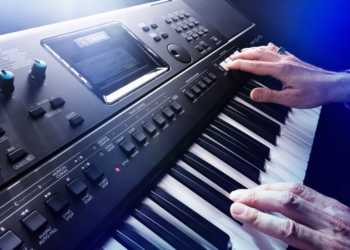
Keyboards are similar to pianos but offer more features. They often come with built-in sounds, rhythms, and recording options. Keyboards are perfect for beginners who want to explore different music styles.
They are also useful for composing and creating music digitally. Many keyboards are portable, making them convenient for home use or live performances. Some advanced keyboards even allow layering of sounds and integration with music software.
The Cello: Deep and Emotional
The cello is a string instrument with a rich and emotional sound. It is lower in pitch than the violin and viola. The cello is common in orchestras, chamber music, and solo performances.
Playing the cello improves posture, finger strength, and musical expression. Beginners usually start with smaller cellos before moving to full size. The deep tones of the cello can create a sense of emotion and drama in music.
The Ukulele: Fun and Accessible
The ukulele is a small, four-stringed instrument that is easy to learn. It is popular in folk, pop, and Hawaiian music. The ukulele helps beginners understand chords and rhythm quickly.
Its compact size makes it portable and convenient for travel. Many people enjoy playing the ukulele for fun, composing songs, or performing in small groups. It is a great instrument for children and adults who want to start learning music with ease.
Learn More About these Quality Music Instruments
Choosing a quality musical instrument is important for learning, performance, and creativity. Each instrument offers unique benefits and opportunities. Pianos and keyboards build musical foundations, guitars and ukuleles are versatile, while violins and cellos offer classical depth.
Drums and saxophones add energy and expressiveness. Instruments like the French Horn bring rich tones and advanced skills. Whatever instrument you choose, regular practice and passion will lead to musical growth. Learning music is a journey full of creativity, expression, and joy.
Looking for more tips and ideas? We’ve got you covered. Check out some of our other posts now.