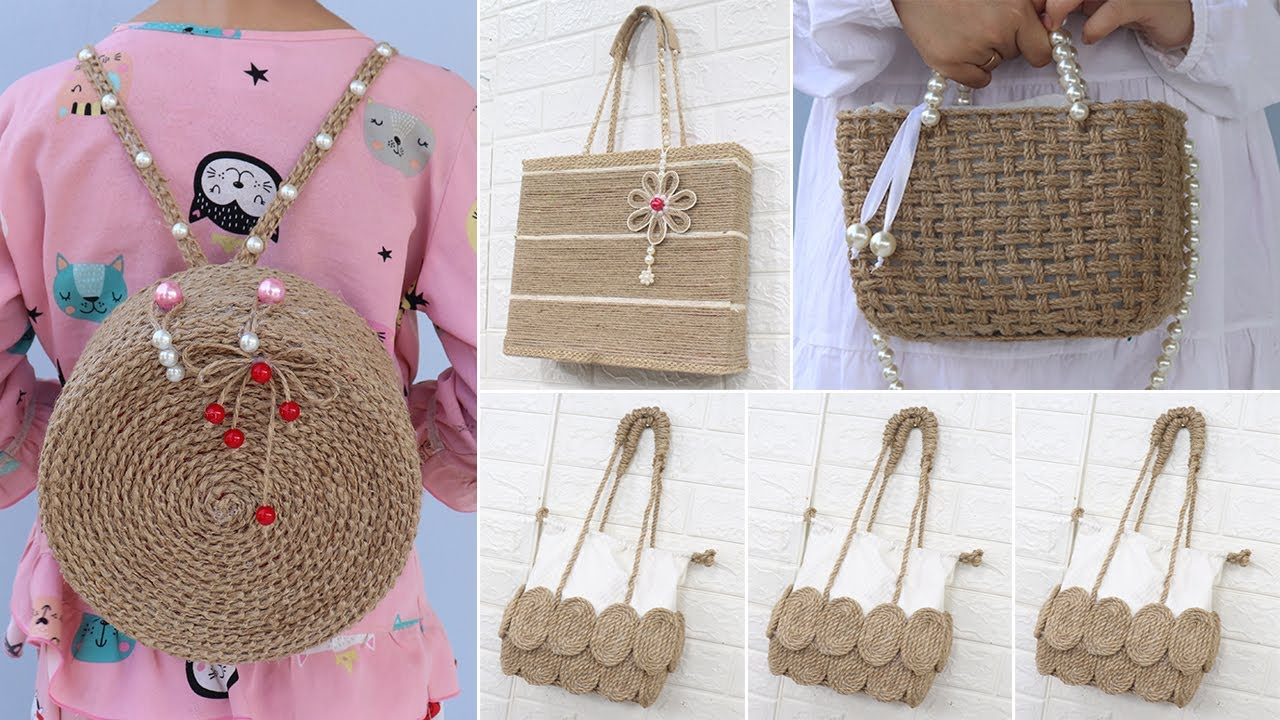
In recent years, the shift towards eco-friendly products has sparked increased interest in reusable and sustainable alternatives in fashion. Among these, jute bags have gained popularity as a stylish and environmentally friendly choice. Jute, often referred to as the “golden fibre,” is a natural material that offers a viable solution for those looking to reduce their carbon footprint while staying fashionable.
The Environmental Benefits of Jute
Jute is a plant-based fibre that is biodegradable and requires fewer resources for cultivation compared to synthetic materials. It grows quickly, needing minimal water and no pesticides, which makes it a highly sustainable option. This characteristic supports the reduction of environmental impact, catering to an increasing number of consumers who prefer products that are kinder to the planet.
Versatility and Style
While jute bags are celebrated for their sustainability, they are also recognised for their versatility and aesthetic appeal. Available in various designs, sizes, and colours, these bags can complement a wide range of styles, from casual day trips to more polished, formal events. This flexibility makes them a practical choice for consumers who appreciate both utility and design.
Durability and Practicality
Known for their strength, jute bags are durable and can carry heavier loads than typical plastic bags without tearing. This durability, combined with their spacious design, allows them to serve multiple uses, from shopping to beach outings, making them a robust and reliable option for daily life.
Jute Bags in the Retail Market
As the demand for sustainable products grows, retailers are increasingly stocking jute bags as part of their core offerings. Many companies are beginning to recognise the marketing potential of these bags, offering them as branded merchandise to spread brand awareness while promoting sustainability. This trend underscores the acceptance and preference of jute bags in various market segments.
Customisation Opportunities
Jute bags offer a huge potential for customisation. Businesses can print their logos or messages on bags, offering a promotional tool that aligns with their environmental values. This aspect of customisation is especially appealing for companies looking to enhance their corporate social responsibility initiatives.
Impact on Local Economies
The production of jute supports local economies, particularly in regions where jute is cultivated and processed, such as India and Bangladesh. By purchasing jute bags, consumers indirectly contribute to these economies, supporting sustainable agricultural practices and providing livelihoods for farmers and artisans involved in the production process.
Jute Bags and Lifestyle Changes
The adoption of jute bags reflects broader lifestyle changes as consumers seek to replace single-use plastics with sustainable alternatives. The rise of these bags is part of a wider movement towards conscious consumption, where the purchase decision is based not just on cost and aesthetics but also on the environmental impact.
Individual Action and Community Impact
Using jute bags is a simple yet effective way for individuals to contribute to environmental preservation. When adopted at a community level, even small actions like switching to reusable bags can lead to substantial environmental improvements. This communal effort supports the broader cause of reducing waste and promoting sustainability.
Future Prospects for Jute Bags
As awareness of environmental issues continues to grow, the future looks promising for jute bags. They are expected to become even more mainstream, aided by ongoing innovation in design and functionality that enhances their appeal. The continuous push for sustainability is anticipated to drive further adoption of jute as a preferred material in various applications beyond fashion.
Challenges in the Market
Despite their many benefits, jute bags face challenges such as competition from other natural and synthetic materials that claim sustainability. Additionally, the cost of jute products might be higher compared to plastic alternatives, which could affect consumer choices. Overcoming these challenges involves educating consumers on the long-term benefits and cost-effectiveness of investing in jute products.
Conclusion
Jute bags signify a harmonious blend of style and sustainability, making them a favourable choice for eco-conscious consumers. Their popularity is a testament to their effectiveness as an alternative to plastic and other less sustainable materials. As the trend of sustainable living becomes more embedded in societal norms, jute bags are poised to remain a staple in fashion and lifestyle.