How Your Wardrobe Shapes Your Style and Shopping Choices
Fashion is all about identity, mood, and how you present yourself to the world. Whether you’re stepping out for a casual coffee run or getting ready for a grand celebration, your outfit sends a message. But have you ever wondered what truly sets occasion dressing apart from everyday wear? And how does this impact the way your wardrobe is built or how you shop?
Let’s dive in.
Understanding the Two Worlds of Dressing
At the surface, both occasion dressing and everyday wear involve clothes and accessories, but that’s where the similarity ends.
What Is Occasion Dressing?
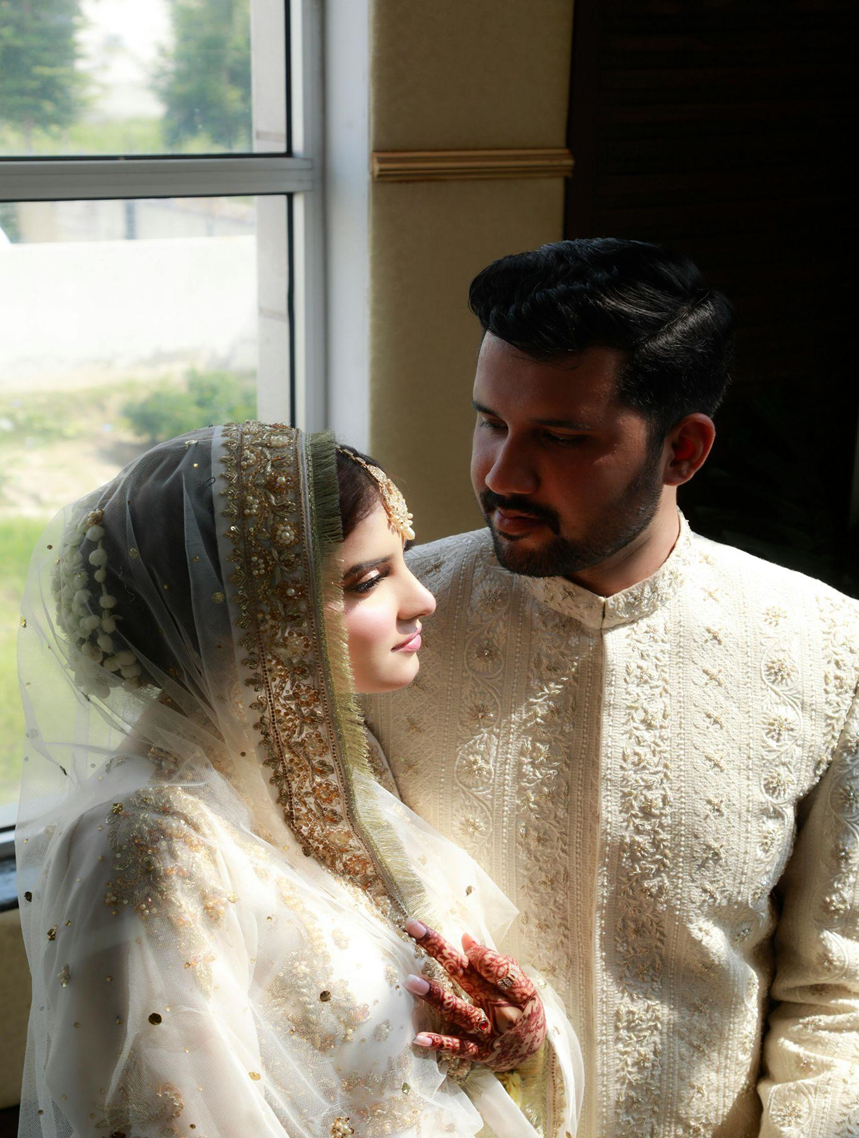
Occasion dressing refers to outfits you reserve for specific events that are not part of your daily routine. Think weddings, festive celebrations, parties, formal dinners, and cultural events.
These pieces typically:
- Make a statement
- Use rich fabrics and detailed embellishments
- Highlight cultural essence or celebration vibes
Example: A beautifully embroidered sharara with intricate work for a wedding night.
What Is Everyday Wear?
Everyday clothes are what you normally wear throughout your daily activities; whether attending classes, grocery shopping, hanging out with friends, or relaxing at home, these types of outfits consist of:
- Comfort and versatility are the main priorities.
- Easy to style, allowing for freedom of movement when worn.
- Require very little accessory impact (minimalistic).
Example: A breezy kurti with straight pants and sneakers for a casual day out.
Your Wardrobe: A Balanced Ecosystem
Think of your wardrobe as a curated ecosystem; every piece has a purpose. Some outfits make you feel comfortable and confident daily. Others are chosen to shine in celebrations.
Here’s how to think about structuring it:
1. Core Everyday Essentials
These are the building blocks of your wardrobe:
- Simple tees and tops
- Comfortable jeans and pants
- Casual kurta sets
- Everyday dresses or jumpsuits
- Light cardigans and jackets
Why they matter:
They help you build easy outfits with minimal styling effort. They’re classics, not tied to trends, and make daily dressing smooth.
2. Occasion Highlights
This is where your personality sparkles:
- Statement dresses
- Embellished ethnic sets
- Festive gowns or couture pieces
- Traditional outfits with embroidery or unique prints
Why they matter:
They reflect your celebration mood, style evolution, and personal flair when the moment calls for it.
3. Transitional Pieces
These are clever items that can move between everyday and special events:
- Silk tops with jeans
- Embellished kurtis with flats
- Smart blazers with formal trousers
- Accessorized casual wear for brunch
Transitional pieces save money and maximize closet potential.
Buyer Intent: How You Shop Matters
When we talk about buyer intent, we’re referring to the mindset you’re in when you shop, and that changes dramatically between everyday wear and occasion dressing.
Shopping for Everyday Wear
You think comfort, fit, ease, and versatility.
You want clothes that:
- They are practical for daily use
- Pair easily with other wardrobe staples
- Are wash-and-go
Questions you ask yourself:
- Can I style this five different ways?
- Is this easy to maintain?
- Will I actually wear this often?
Shopping for Occasion Pieces
Now your focus shifts to impact and emotion. You ask:
- Will I feel beautiful and confident?
- Will this stand out in photos?
- Does this match the theme of the event?
Here, it’s not just clothing, it’s memory-making apparel.
The Psychology Behind Your Outfit Choices
Have you noticed how the right outfit can change your mood? That’s no accident; clothing connects deeply with self-expression.
Occasion Dressing = Emotional Expression
Your outfit here reflects:
- Celebration
- Confidence
- Culture and heritage
- Special moments
Say you’re attending a friend’s engagement and slip into a handcrafted embroidered outfit. Suddenly, you feel elevated, poised, and joyful. That’s the power of occasion dressing.
Everyday Wear = Practical Confidence
Your daily outfit gives you:
- Ease
- Comfort
- Reliability
- A sense of readiness for the day ahead
It’s not meant to dazzle, it’s meant to support you.
Tips for Building a Stylish, Functional Wardrobe
Whether you’re a fashion newbie or a seasoned style lover, here are smart tips to balance both:
1. Know Your Lifestyle
If your daily life is busy and active, invest more in versatile everyday wear.
If you attend events regularly (festivals, parties, weddings), curate premium occasion pieces.
2. Invest in Classics
Classic sartorial cuts are ageless styles and include things like well-fitting trousers, for everyday use, as well as traditional dresses; i.e., Kurtas (a long, embroidered traditional dress) and Blouses (women’s tops used to wear underneath traditional Indian dresses).
3. Mix and Match
It’s great to have some flexibility when mixing and matching clothing items. For example, you might like to wear a traditional outfit every day and also wear a festive skirt.
4. Care for Your Clothes
Occasional clothing, clothes made of delicate fabrics, embroidered pieces, and clothes made of luxury materials need proper care in order to maintain their shape and condition and avoid damage.
Seasonal Strategy: Update With Purpose
A new season means new trends. Instead of buying into every trend, you can build a seasonal strategy:
- Spring/Summer: Light fabrics, bright colors, flirty silhouettes
- Fall/Winter: Layered outfits, rich tones, textured fabrics
- Festive seasons: Traditional cuts with modern twists
- Wedding season: Statement pieces with great customization
This process creates a wardrobe that is fresh and relevant, without generating unnecessary purchases.
What This Means for Your Shopping Intent
A clearer understanding of how you will shop for what you will wear each day will make you more efficient with your shopping, as you will now be shopping with a purpose.
Once you know:
- The demands of your day-to-day life
- The events you will attend, and
- The context of your style preferences
You shop smarter, not harder.
Rather than simply being a collection of items, your wardrobe will evolve with you; it will be a visual journal of you.
Final Thoughts: Dressing Is Personal, Not Just Practical
At the end of the day, fashion is both art and function. Clothes are not just fabrics sewn together; they’re emotional tools, confidence boosters, and personal statements.
Whether you’re reaching for your go-to casual wear or the elegantly adorned special outfits, like traditional Pakistani outfits, you adore for cultural events, your choices shape how you feel and how the world perceives you.
So the next time you open your closet, remember: your wardrobe is not just a collection of clothes, it’s a story waiting to be told.