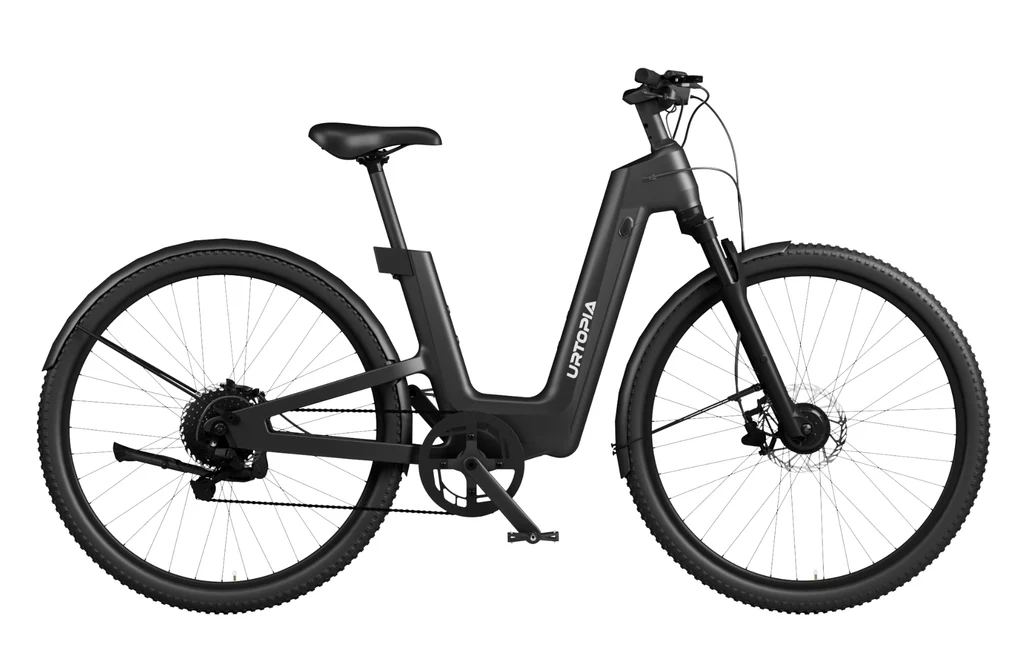
For decades, the American dream was synonymous with the open road and the internal combustion engine. However, as our metropolitan hubs face unprecedented density and the climate crisis intensifies, that dream has hit a literal standstill in gridlock. As cities look for ways to de-clutter their streets and scrub their air, a two-wheeled revolution is taking hold. E bike technology is no longer a fringe hobby for tech enthusiasts; it has become a frontline tool in the fight to decarbonize urban transportation.
The Urban Transportation Crisis and the Last-Mile Problem
The majority of greenhouse gas emissions in the United States come from the transportation sector, with passenger cars and light trucks being the primary offenders. Surprisingly, a massive portion of these emissions comes from “short-hop” trips. According to the Department of Energy, nearly 60% of all vehicle trips in the U.S. are less than six miles. These are the errands to the grocery store, the commute to the local train station, and the school drop-offs.
When a 4,000-pound gasoline vehicle is used to move a 180-pound person five miles, the energy inefficiency is staggering. This is where the e-bike excels. By providing an electrified alternative that handles these short distances with ease, cities can remove thousands of idling engines from the pavement, directly attacking the “last-mile” problem that public transit often fails to solve.
Decarbonizing the “Last-Mile” Commute
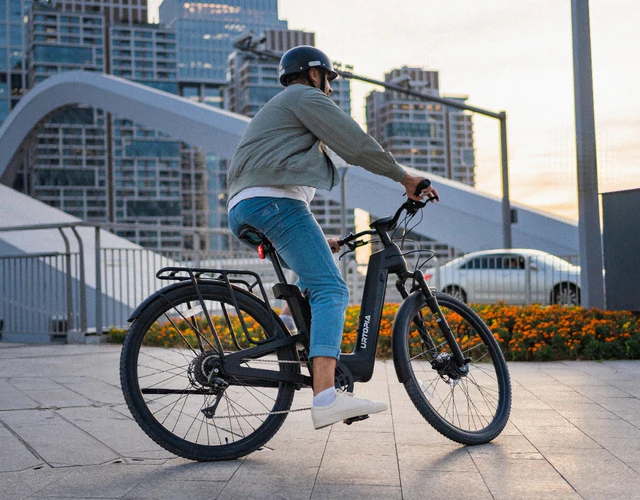
The most immediate impact of electric micromobility is “mode shift”—the act of a commuter choosing a bike over a car. Historically, traditional cycling faced barriers: the physical exertion, the hills, and the “sweat factor” before a workday. The electric motor levels the playing field. By assisting the rider’s pedaling, e-bikes allow users to maintain speeds of 20 mph without arriving at their destination exhausted. When the friction of the commute is removed, the car stays in the garage.
Reducing Traffic Congestion and Idling
Carbon emissions aren’t just produced by moving cars; they are amplified by stationary ones. In dense centers like Los Angeles or Chicago, vehicles spend a significant portion of their journey idling in traffic. E-bikes, which can bypass gridlock via dedicated bike lanes, contribute to a “thinning” of traffic. Every person on a bike is one less car length contributing to a traffic jam, which actually helps the remaining necessary vehicles move more efficiently, reducing the total time engines are running.
Superior Energy Efficiency Compared to EVs
While Electric Vehicles (EVs) are a massive improvement over gas cars, they are not a silver bullet. A standard EV still requires a massive lithium-ion battery—often weighing over 1,000 pounds—to move. The manufacturing process for these batteries is carbon-intensive and requires significant mineral extraction.
Battery Life and Resource Intensity
In contrast, good electric bikes require a fraction of the raw materials. You can manufacture dozens of e-bike batteries using the same amount of lithium and cobalt required for a single long-range Tesla battery. From a lifecycle analysis perspective, the “embodied carbon” (the emissions produced during manufacturing) of an e-bike is paid off within the first few hundred miles of riding, whereas an EV may take years to become “carbon neutral” compared to a gas car.
Kilowatt-Hour Per Mile Comparison
The efficiency math is undeniable. An e-bike is roughly 10 to 20 times more energy-efficient than an electric car. While an EV might get 3 to 4 miles per kilowatt-hour, an e-bike can easily achieve 30 to 50 miles on that same amount of energy. For a city looking to reduce its total load on the electrical grid as it transitions to renewables, the e-bike is the clear winner in the efficiency race.
Transforming Urban Logistics and Delivery
The “Amazon Effect” has flooded city streets with delivery vans. These vans are often the largest contributors to localized air pollution and noise in residential neighborhoods.
The Rise of E-Cargo Bikes
Logistics giants like UPS, FedEx, and DHL have begun integrating e-cargo bikes into their “final-mile” delivery strategies in major U.S. cities. These heavy-duty electric bikes can carry hundreds of pounds of packages and navigate narrow alleys or congested streets where a van would be stuck.
Slashing Commercial Emissions
By replacing a diesel-powered Sprinter van with a fleet of e-cargo bikes, companies aren’t just saving on gas; they are eliminating the particulate matter and nitrogen oxides that plague urban air quality. In cities like New York, where “double-parking” delivery trucks cause massive bottlenecks, e-cargo bikes can park on the sidewalk or in smaller designated zones, keeping the flow of traffic—and the air—much cleaner.
Lowering the Barrier to Entry for Sustainable Transit
Sustainability only works if it is inclusive. One of the greatest strengths of the electric bike is that it expands the demographic of people who can participate in green transit.
Overcoming Topographical and Physical Hurdles
In hilly cities like Seattle or San Francisco, traditional cycling was often reserved for the physically elite. The electric motor acts as a “great equalizer,” allowing seniors and those with physical limitations to climb grades that would otherwise be impossible. This inclusivity ensures that the transition to a low-carbon city doesn’t leave behind those who cannot ride a standard bicycle.
The “Sweat Factor” and Workplace Adoption
For the American white-collar worker, the primary deterrent to cycling has always been the professional aesthetic. Arriving at a 9:00 AM meeting drenched in sweat is not an option for most. E-bikes allow for a “no-sweat” commute, meaning people can wear their professional attire and arrive fresh, effectively removing the last social barrier to ditching the car.
Challenges to Maximizing Environmental Impact
Despite the benefits, the e-bike’s potential is currently capped by two main factors: infrastructure and the power grid.
- The Need for Protected Infrastructure: People will only trade their cars for e-bikes if they feel safe. For a city to truly see a drop in carbon emissions, it must invest in protected, high-quality bike lanes. Painted lines on a road are not enough to convince a parent to take their child to school on an e-bike.
- Grid Greening and Battery Recycling: For an e-bike to be “zero-emission,” the electricity used to charge it must come from renewable sources. As the U.S. grid moves toward wind and solar, the e-bike becomes even cleaner. Additionally, we must develop robust domestic recycling programs for lithium-ion batteries to prevent a future e-waste crisis.
Conclusion
The path to a carbon-neutral city isn’t paved solely with $60,000 electric SUVs and high-speed rail. It is paved with accessible, efficient, and versatile micromobility. E-bikes represent a fundamental shift in how we perceive distance and effort in the urban environment. By replacing short car trips, streamlining commercial deliveries, and making cycling accessible to the masses, they offer the fastest and most cost-effective way to slash urban carbon emissions.
As we look toward the future of American urbanism, the goal should be clear: cities designed for people, not for the storage and movement of heavy machinery. The e-bike is not just a gadget; it is the most efficient engine of change we have.