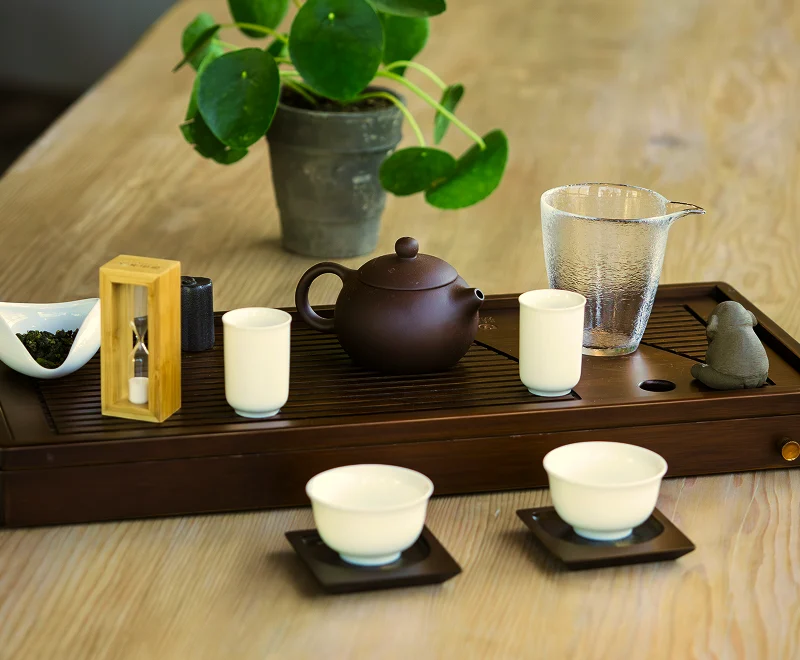
A cup of tea can carry more meaning than it first reveals. Within the practice of a tea ceremony, every motion, scent, and pause becomes part of a shared experience. For those curious about its depth, this introduction to the Tea Ceremony offers insight into a tradition that values presence as much as taste.
A tea ceremony is not simply about drinking tea. It is a structured yet fluid ritual that reflects harmony, respect, purity, and calm. Originating in various forms across Asia, particularly in China and Japan, the ceremony has evolved into something both cultural and personal. Each host brings their own rhythm, yet the intention remains consistent. It invites participants to slow their senses and notice details that often go ignored.
The Meaning Behind Each Movement
Every gesture in a tea ceremony carries intention. From heating the water to pouring the tea, nothing is rushed or accidental. The process becomes a form of silent communication between the host and the guests.
Small actions hold significance:
- The way tea leaves are measured reflects balance and care
- The temperature of water influences both flavor and aroma
- The order of serving acknowledges respect and presence
This attention to detail creates an atmosphere where participants become more aware of their surroundings and each other.
Sensory Connection Through Tea
A tea ceremony engages more than taste. It invites a full sensory experience that connects participants to the present moment.
Guests often notice:
- The soft sound of water being poured
- The gradual release of fragrance from the leaves
- The warmth of the cup held between the hands
These elements work together to create a grounded and immersive environment. Rather than focusing on conversation alone, the ceremony encourages shared stillness and appreciation.
A Space for Intentional Gathering
Tea ceremonies are often chosen for small gatherings where connection matters more than scale. The setting is usually intimate, allowing each participant to feel included in the experience.
Private sessions offer opportunities to:
- Explore different tea traditions in a relaxed setting
- Participate in the preparation rather than observe
- Share a meaningful experience without distraction
This type of gathering appeals to those who value simplicity paired with depth. It creates space for conversations that feel unforced and moments that feel genuine.
Modern Interpretations of Tradition
While rooted in history, tea ceremonies continue to adapt. Contemporary spaces now blend traditional practices with modern design and accessibility. The result is an experience that feels both authentic and approachable.
In some settings, guided sessions introduce newcomers to the process, making it easier to understand without removing the essence of the ritual. The balance between tradition and comfort allows more people to appreciate the ceremony without feeling intimidated.
A tea ceremony offers more than a prepared drink. It becomes a shared pause, shaped by intention and attention to detail. Through simple elements like leaves, water, and time, it creates an experience that lingers beyond the final sip.