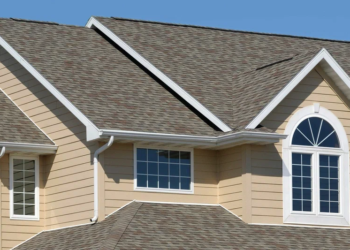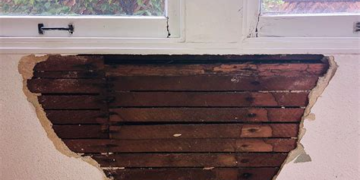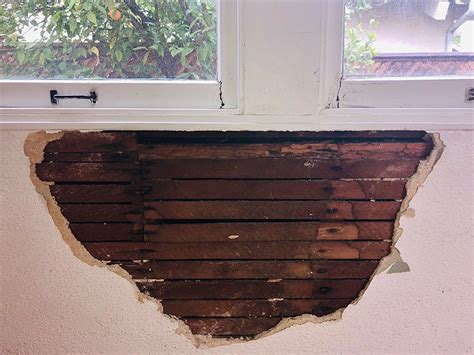
Dry rot is a type of wood decay caused by certain fungi that thrive when moisture permeates structural materials. Unlike surface stains or minor dampness, dry rot can weaken wood fibers deep within a structure, ultimately affecting its strength and stability. It is often found in areas where water has infiltrated through leaks, poor ventilation, or prolonged exposure to humidity.
Because of its ability to undermine structural integrity, recognizing and addressing dry rot early is essential for homeowners and property managers. Effective repair not only restores damaged areas but also prevents further spread into surrounding materials.
The Importance of Professional Assessment and Repair
Repairing rot‑damaged wood involves more than simply replacing cracked or decayed sections. Because rot can extend into hidden cavities, a thorough inspection is necessary to determine the full extent of the issue. Identifying the source of moisture is equally important, as untreated leaks or humidity problems can cause the decay to return even after repairs.
For guidance on services tailored to identifying and treating wood decay, resources such as dry rot repair contractors illustrate how experienced teams approach diagnosis, removal, and structural restoration.
A comprehensive repair typically involves assessing the affected area, removing damaged wood, treating surrounding materials, and addressing moisture sources that contribute to the problem.
What Causes Dry Rot in Homes
Dry rot develops when wood remains exposed to moisture over time, creating an environment conducive to fungal growth. Common contributors include:
- leaks in exterior siding or roofing;
- improper flashing around windows and doors;
- poor ventilation in crawl spaces or attics;
- condensation in plumbing or HVAC systems.
Even small amounts of moisture that persist over extended periods can eventually lead to fungal growth. Because dry rot often occurs in concealed areas, it may progress unnoticed until visible signs appear.
Signs That Dry Rot May Be Present
Early detection can make a significant difference in repair scope and cost. While dry rot can be hidden, certain indicators suggest its presence:
- wood that appears cracked, brittle, or crumbly;
- visible discoloration or loss of wood grain texture;
- a musty, damp odor in enclosed areas;
- fungal growth or spore patterns on wood surfaces.
These signs often appear before serious structural damage becomes obvious, making prompt attention critical.
Steps Involved in Dry Rot Repair
Addressing dry rot typically follows a series of structured steps to ensure both removal of decay and prevention of recurrence.
Key stages include:
- thorough inspection of the affected area;
- removal of all compromised wood and materials;
- treating remaining structures with antifungal solutions;
- repairing or replacing structural components as needed;
- correcting moisture sources that enabled the rot.
This sequence helps ensure that both symptoms and underlying causes are addressed.
Moisture Management and Prevention
Because dry rot is directly linked to moisture, effective prevention revolves around moisture control. Keeping wood dry and well‑ventilated is fundamental to avoiding recurrence.
Recommended preventive measures include:
- improving drainage around foundations;
- sealing potential leak points such as windows, doors, and flashing;
- enhancing airflow in attics and crawl spaces;
- monitoring humidity levels in enclosed areas.
Consistent moisture control helps minimize the risk of future fungal growth.
Long‑Term Considerations for Structural Integrity
Even after rot removal, ongoing monitoring is important to ensure lasting performance. Structural wood that has been affected may remain more susceptible to environmental stress if reinforcement or replacement was incomplete.
Regular inspections—especially in areas previously affected—help identify early signs of recurrence. Additionally, reinforcing adjacent structural elements can improve stability and reduce future risks.
FAQs
What is dry rot?
Dry rot is a form of wood decay caused by certain fungi that thrive in moist conditions, leading to structural weakening.
How can I recognize dry rot early?
Look for brittle, cracked wood, discoloration, fungal growth, and musty odors indicating moisture accumulation.
Why is moisture control important?
Moisture provides the environment necessary for fungal growth, so reducing humidity and leaks helps prevent recurrence.
Can dry rot spread to untreated areas?
Yes, if moisture sources are not addressed, dry rot can extend into adjacent wood and structural components.
Is professional repair necessary?
Professional assessment is recommended because dry rot can spread into hidden areas, requiring thorough inspection and targeted treatment.