Autoflower seeds have become one of the most popular options for modern cannabis growers, especially among beginners and small-scale cultivators. Their reputation for simplicity, speed, and reliability has made them a staple in both indoor and outdoor growing environments. To understand why autoflowers are so widely used, it helps to look at how they work, where they come from, and how they differ from other seed types, particularly feminized seeds.
This guide explains what autoflower seeds are, how they function, and how they compare to feminized seeds in terms of growth cycle, yield, potency, and cultivation requirements.
What Are Autoflower Seeds?
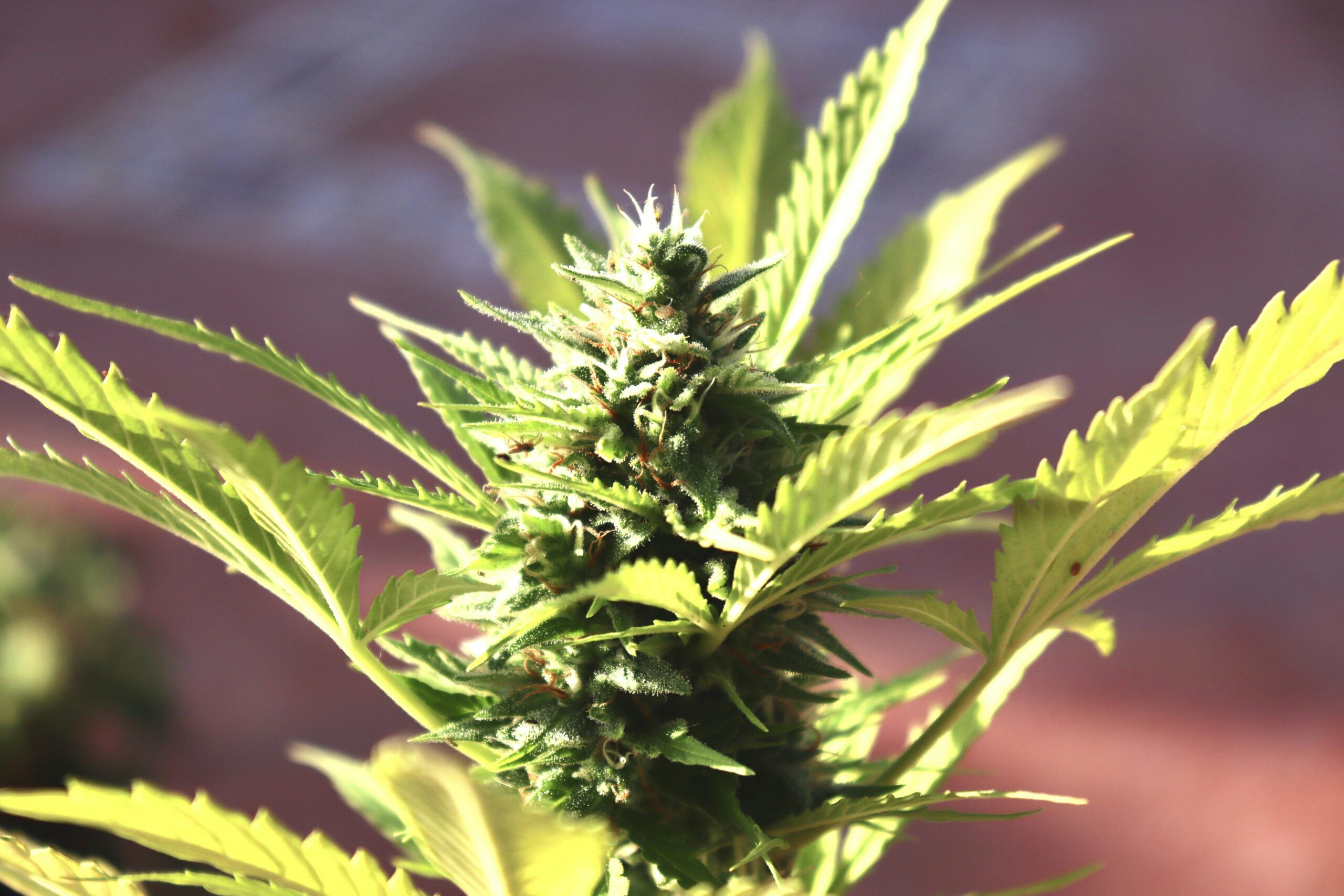
Autoflower seeds produce cannabis plants that flower automatically based on age rather than changes in the light cycle. Unlike traditional photoperiod cannabis plants, autoflowers do not require a shift from long daylight hours to shorter ones to begin flowering.
Most autoflower strains begin flowering around three to five weeks after germination and complete their entire life cycle in approximately 8 to 12 weeks. This predictable timeline is one of their defining characteristics and a key reason growers choose them, particularly those looking for fast, manageable harvests. Because genetics play such a central role in this consistency, many growers place extra emphasis on sourcing seeds from the best seed banks, where breeding stability and germination rates are more reliable.
Autoflowering genetics come from Cannabis ruderalis, a subspecies of cannabis native to regions with short summers and harsh climates. Ruderalis plants evolved to flower quickly regardless of daylight length, allowing them to complete their life cycle before environmental conditions worsen. Modern autoflower strains are created by crossbreeding ruderalis with indica or sativa varieties to retain potency and flavor while preserving the automatic flowering trait. The quality of this breeding work varies significantly, which is why experienced growers often associate the best-performing autoflowers with seed banks known for careful genetic selection and testing.
How Autoflower Seeds Work
The defining feature of autoflower seeds is their independence from light schedules. Photoperiod cannabis plants rely on changes in light exposure, typically switching from 18 hours of light to 12 hours, to trigger flowering. Autoflowers bypass this requirement entirely, which sets them apart from most traditional marijuana seeds that depend heavily on light manipulation.
Once an autoflower plant reaches maturity, internal genetic programming initiates flowering regardless of external conditions. This makes their growth cycle more predictable and easier to manage, particularly for growers who lack full control over lighting setups or who are new to cultivating marijuana seeds for the first time.
Autoflowers can be grown under consistent lighting schedules such as 18–20 hours of light per day from seed to harvest. Outdoor growers also benefit because autoflowers can flower during long summer days when photoperiod plants would still be in vegetative growth, allowing multiple harvests in a single season and greater flexibility compared to standard cannabis varieties.
The Origins of Autoflower Cannabis
Autoflowering cannabis was not always associated with high-quality yields or potency. Early ruderalis plants were small, low in THC, and primarily valued for their hardiness rather than their effects.
Advances in breeding over the past two decades have dramatically changed this. By selectively crossing ruderalis with high-quality indica and sativa genetics, breeders developed autoflower strains that offer:
- Competitive THC levels
- Improved terpene profiles
- Better yields
- More diverse strain options
Today’s autoflowers can rival photoperiod strains in strength and flavor, while still maintaining faster growth cycles.
What Are Feminized Seeds?
To understand autoflower seeds fully, it’s important to clarify what feminized seeds are. Feminized seeds are bred to produce only female cannabis plants. Since only female plants produce buds rich in cannabinoids, feminized seeds eliminate the need to identify and remove male plants during cultivation. This consistency is one reason many growers sourcing genetics from the best seeds bank in the USA gravitate toward feminized options for controlled indoor grows.
However, feminized seeds are still photoperiod-dependent. This means they require specific light cycle changes to transition from vegetative growth to flowering. Most indoor growers use an 18/6 light schedule during vegetative growth and switch to 12/12 to induce flowering, which requires tighter environmental control than autoflowers.
Feminized seeds can be indica, sativa, or hybrid strains, and they generally offer higher yields and larger plants compared to autoflowers. That said, they also demand more time, space, and attention, making them better suited to growers who are comfortable managing light cycles and extended grow periods.
Key Differences Between Autoflower and Feminized Seeds
While both autoflower and feminized seeds are popular, they serve different types of growers. Below are the main differences.
1. Flowering Trigger
- Autoflower seeds flower automatically based on age.
- Feminized seeds flower only when the light cycle changes.
This single distinction affects nearly every aspect of cultivation, from setup to harvest timing.
2. Growth Cycle Length
Autoflowers are significantly faster. Most complete their life cycle in 8–12 weeks from seed. Feminized photoperiod plants typically require:
- 4–8 weeks of vegetative growth
- 8–10 weeks of flowering
This means feminized plants often take 4–6 months total, depending on strain and grow style.
3. Plant Size and Structure
Autoflower plants are generally smaller and more compact. This makes them ideal for:
- Small grow tents
- Balconies or discreet outdoor grows
- Stealth cultivation
Feminized plants can grow much larger, especially if given extended vegetative time. This leads to higher yields but requires more space and training.
4. Yield Potential
Feminized photoperiod plants typically produce larger yields per plant because they have more time to develop before flowering. Autoflowers tend to yield less individually but can still produce respectable harvests, especially when multiple cycles are grown per year.
In practice, some growers offset lower yields by running multiple autoflower harvests within the timeframe it would take to grow a single feminized crop.
5. Potency and Quality
In the past, autoflowers were known for lower potency. Modern breeding has largely eliminated this gap. Many autoflower strains now offer THC levels comparable to photoperiod strains.
That said, feminized plants still dominate the top tier of potency and terpene complexity, particularly for growers focused on premium flower quality.
6. Ease of Growing
Autoflowers are often considered easier to grow because:
- No light schedule changes are needed
- Shorter exposure to pests and diseases
- Less time commitment overall
However, autoflowers are also less forgiving of stress. Because their life cycle is fixed, mistakes during early growth, such as overwatering or nutrient burn, can permanently reduce yield.
Feminized plants allow more time to recover from stress since vegetative growth can be extended.
Advantages of Autoflower Seeds
Autoflower seeds offer several advantages that appeal to a wide range of growers:
- Speed: Fast seed-to-harvest timeline
- Simplicity: No light cycle manipulation
- Flexibility: Suitable for indoor and outdoor environments
- Discretion: Smaller plants with less odor over time
- Multiple harvests: Possible in a single growing season
These traits make autoflowers especially popular with beginners and hobby growers.
Final Thoughts
Autoflower seeds represent a significant evolution in cannabis cultivation. By removing the need for light cycle manipulation and shortening the growth timeline, they offer a convenient and accessible option for many growers. Their differences from feminized seeds, particularly in size, yield, and growth control, are not drawbacks so much as trade-offs.
Choosing between autoflower and feminized seeds depends on your goals, experience level, available space, and time commitment. Understanding how autoflowers work and how they differ from feminized seeds allows growers to make informed decisions and achieve better results. Whether you prioritize speed and simplicity or size and customization, both seed types have a valuable place in modern cannabis cultivation.