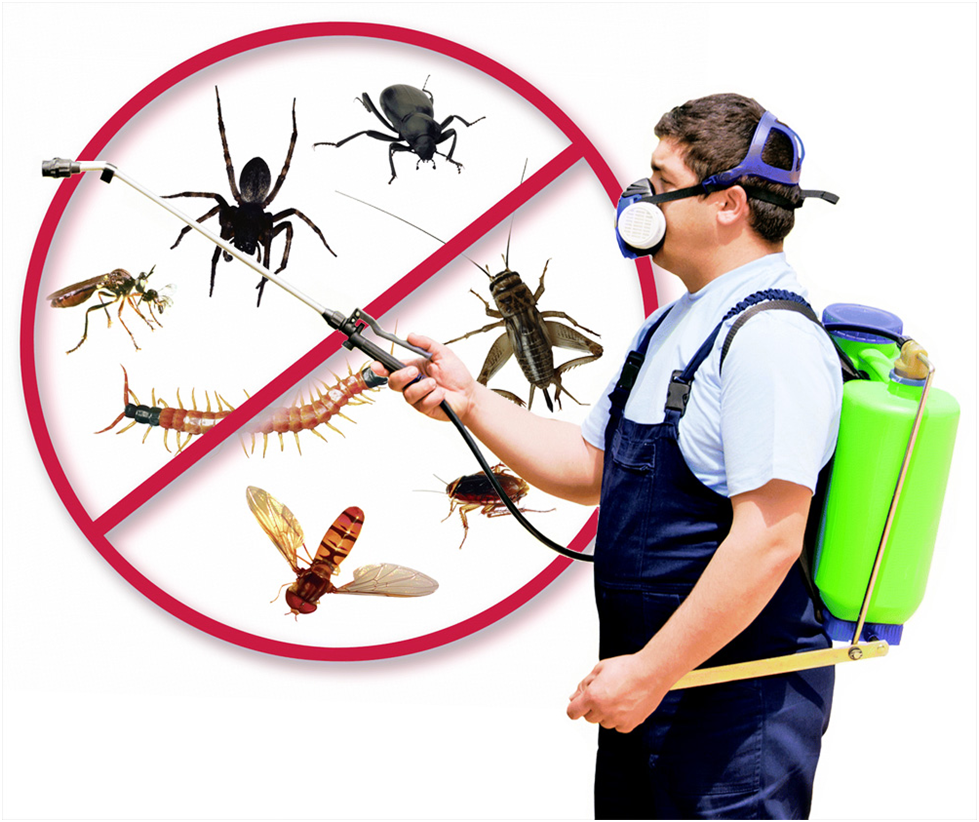
Residential pest control is an essential part of maintaining a safe, healthy, and comfortable home. Pests such as ants, cockroaches, termites, rodents, mosquitoes, and spiders are common in residential environments and can cause more than just inconvenience. If left untreated, pest infestations can lead to health risks, property damage, and long-term structural issues. Understanding what residential pest control is and why it matters helps homeowners take proactive steps to protect their living spaces.
What Is Residential Pest Control?
Residential pest control refers to the process of identifying, managing, and preventing pest infestations in homes. It includes a combination of inspection, treatment, monitoring, and preventive measures designed specifically for residential properties. The goal is not only to eliminate existing pests but also to prevent future infestations.
Professional residential pest control typically involves:
- Inspecting the home to identify pest activity and entry points
- Determining the type of pest and level of infestation
- Using appropriate treatment methods to control or eliminate pests
- Implementing preventive strategies to reduce the chances of pests returning
Residential pest control solutions are tailored to homes, considering factors such as family safety, pets, living spaces, and long-term effectiveness.
Common Pests Found in Homes
Homes can attract a wide variety of pests depending on climate, season, and surroundings. Some of the most common residential pests include ants, cockroaches, termites, rodents, mosquitoes, flies, spiders, and bed bugs. Each of these pests poses different risks. For example, termites can silently damage wooden structures, while rodents can contaminate food and spread disease. Cockroaches and mosquitoes are known carriers of bacteria and viruses, making them a serious health concern.
Why Residential Pest Control Is Important
Protects Health and Hygiene
One of the most important reasons for residential pest control is protecting the health of household members. Many pests carry harmful bacteria, allergens, and pathogens that can cause illnesses, allergic reactions, and respiratory problems. Cockroach droppings, rodent urine, and insect bites can trigger asthma, skin infections, and other health issues, especially in children and elderly individuals.
Effective pest control helps maintain a hygienic living environment by reducing exposure to these health risks.
Prevents Property Damage
Pests can cause significant damage to homes if not controlled early. Termites feed on wood and can weaken foundations, walls, and furniture over time. Rodents chew through electrical wiring, insulation, and plumbing, increasing the risk of fires and costly repairs. Even small insects can damage fabrics, stored goods, and wooden fixtures.
Residential pest control helps identify these threats early and prevents long-term structural and financial damage.
Improves Comfort and Peace of Mind
Living with pests can be stressful and uncomfortable. The presence of insects or rodents often disrupts daily routines and affects sleep and mental well-being. Knowing that your home is protected through regular pest control provides peace of mind and allows you to enjoy your living space without constant worry.
A pest-free home contributes to overall comfort and quality of life.
Prevents Pest Infestations from Spreading
Pests reproduce quickly. What starts as a small issue can become a full infestation if ignored. Residential pest control focuses on early detection and timely treatment, preventing pests from spreading to other areas of the home or neighbouring properties.
Preventive treatments and regular inspections help break pest life cycles before they become unmanageable.
Supports Long-Term Prevention
Residential pest control is not just about eliminating visible pests. It also involves preventive measures such as sealing entry points, reducing moisture, improving sanitation, and removing attractants like food sources. These proactive steps help keep pests from returning, making pest control more effective in the long run.
Methods Used in Residential Pest Control
Residential pest control uses a variety of methods depending on the type of pest and severity of the issue. Common approaches include:
- Chemical treatments: Targeted applications designed for residential safety
- Biological methods: Natural solutions that reduce pest populations
- Mechanical controls: Traps, barriers, and exclusion techniques
- Integrated Pest Management (IPM): A balanced approach combining inspection, monitoring, prevention, and treatment
Modern pest control focuses on safe, controlled, and environmentally responsible solutions suitable for homes.
Importance of Professional Residential Pest Control
While DIY methods may provide temporary relief, professional residential pest control offers long-lasting results. Trained professionals have the knowledge, tools, and experience to identify hidden infestations and apply treatments correctly. They also understand pest behaviour and seasonal patterns, allowing them to provide more effective solutions.
Professional services help ensure treatments are safe for residents, pets, and the environment while delivering reliable outcomes.
When Should Homeowners Consider Pest Control?
Homeowners should consider residential pest control when they notice signs such as droppings, bite marks, damaged furniture, unusual sounds in walls, or frequent insect sightings. Even without visible signs, routine pest control is recommended as a preventive measure, especially in areas prone to pest activity.
Regular inspections help catch problems early and reduce the need for extensive treatments later.
Conclusion
Residential pest control plays a vital role in protecting homes from health risks, property damage, and unnecessary stress. By addressing pest issues early and focusing on prevention, homeowners can maintain a clean, safe, and comfortable living environment. Whether dealing with a current infestation or taking preventive steps, residential pest control is an important investment in the long-term safety and well-being of any home.