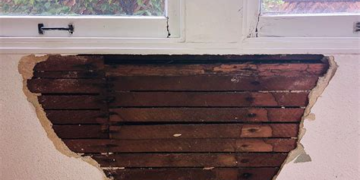
Family dissolution feels like watching a house crumble. Years of shared memories, intertwined routines, and collective dreams suddenly fracture into separate pieces. Yet within this apparent destruction lies an often-overlooked truth: endings are simultaneously beginnings. The legal professional who guides you through this transition isn’t merely processing paperwork or negotiating settlements. They’re architects drafting blueprints for entirely new life structures.
This architectural metaphor extends far beyond simple analogy. Just as an architect must understand load-bearing walls before redesigning a space, family lawyers in Melbourne and elsewhere must identify what foundational elements from your previous family structure deserve preservation while determining what needs careful dismantling.
Understanding the Foundation That Remains
The most skilled family lawyers recognize that divorce or separation doesn’t erase family history. Children still have two parents. Shared property contains memories alongside monetary value. Holiday traditions carry emotional weight that transcends custody schedules.
These professionals excel at helping clients distinguish between the relationship that’s ending and the family connections that continue evolving. A marriage might conclude, but co-parenting relationships require construction. Former spouses may separate households, but grandparent relationships need protection and nurturing.
This nuanced perspective transforms legal proceedings from purely adversarial contests into collaborative design sessions. The question shifts from “How do we divide everything?” to “How do we build two stable homes from one shared foundation?”
Designing Spaces for Growth
Architects create spaces where life unfolds. Similarly, family lawyers craft agreements that allow futures to flourish. When negotiating parenting plans, exceptional legal professionals think beyond weekend schedules and holiday rotations. They consider how arrangements accommodate children’s evolving needs as they grow from toddlers to teenagers.
Will the custody agreement allow flexibility when your eight-year-old develops a passion for Saturday soccer? Does the financial arrangement account for orthodontics, school trips, and university education? Can the communication framework adapt when your teenager inevitably prefers texting over formal exchanges?
These forward-thinking considerations distinguish lawyers who merely process cases from those who genuinely architect sustainable futures. They anticipate structural stress points before they develop into critical failures.
Creating Room for Multiple Stories
Traditional homes have defined purposes for each room. However, modern open-concept designs acknowledge that spaces serve multiple functions. Your living room might also be your home office, yoga studio, and children’s homework station.
Second-chance family structures similarly require flexibility. Your former partner isn’t simply “the ex” but rather your co-parent, perhaps your friend eventually, and always your children’s other parent. Your new smaller home isn’t a downgrade but rather a space reflecting your authentic current needs rather than past expectations.
Family lawyers help clients mentally and legally create these multifunctional frameworks. They draft agreements acknowledging complexity rather than demanding rigid categorization. This architectural approach recognizes that healing and growth require adaptable structures.
Celebrating the Grand Opening
When architects complete projects, they celebrate grand openings. These events acknowledge that despite challenges, setbacks, and difficult decisions, something new and functional now exists.
Family lawyers rarely receive invitations to such celebrations, yet they witness these moments regularly. They see it when a client signs final paperwork with relief rather than anguish. They recognize it when former spouses exchange friendly texts about their child’s school performance. They know it happened when a client mentions dating again or pursuing a long-postponed career change.
These quiet victories represent the ultimate success of architectural thinking in family law. The structure built through legal proceedings provides stability for new life chapters.
Your Role as Co-Architect
The most important aspect of this architectural metaphor involves recognizing your own agency. Family lawyers provide expertise, guidance, and structural knowledge, but you remain the primary decision-maker. You determine priorities, make final choices, and ultimately live within the structures created.
This partnership between professional expertise and personal vision produces the most resilient second-chance family structures. When clients actively engage in designing their futures rather than passively enduring legal processes, the resulting agreements feel more like carefully chosen homes than imposed sentences.
Family reconstruction requires courage, patience, and vision. With skilled legal architects providing guidance, the rubble of ended relationships transforms into building materials for stronger, more authentic life structures. Your second chance awaits construction.