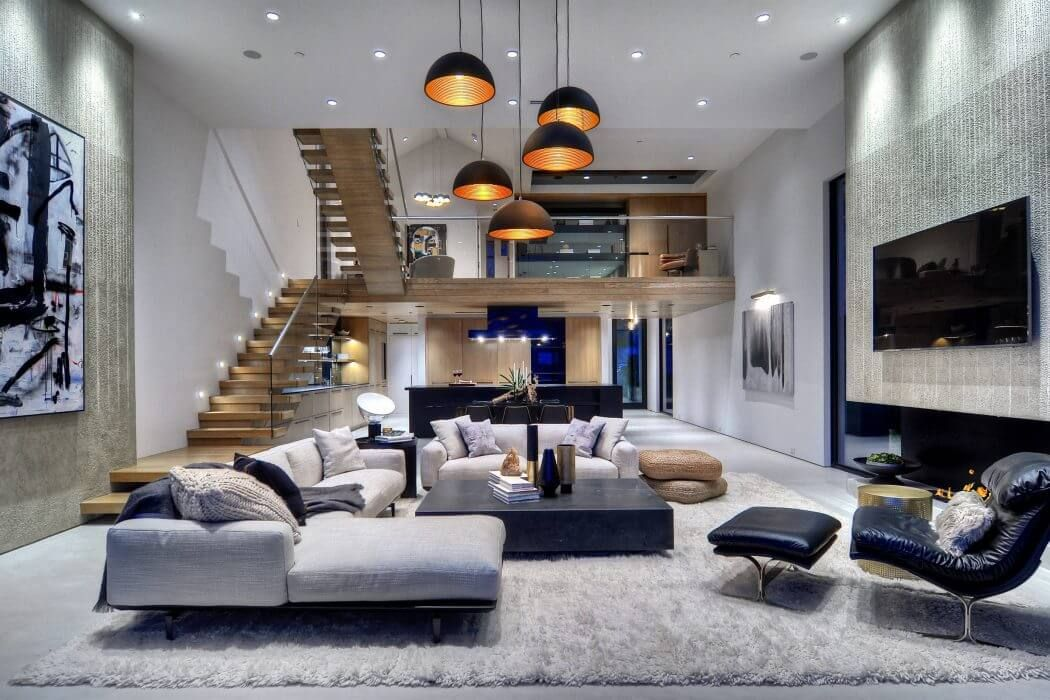
Picture a home where the lights know when you need them, doors respond to your voice, and the temperature adjusts before you feel uncomfortable. This isn’t science fiction. It’s the reality emerging in specialized disability accommodation across Australia, where technology is transforming what independence looks like.
The Smart Home That Actually Thinks
Traditional smart homes are convenient. These homes are life-changing. The difference lies in purposeful design that anticipates needs rather than simply responding to commands.
Consider automated ceiling hoists that move seamlessly between rooms, eliminating transfer anxiety. Or environmental controls that detect seizure patterns and alert support workers before a medical emergency unfolds. These aren’t luxury additions but carefully integrated systems that restore autonomy to people who’ve been told they need 24/7 supervision.
SDA housing represents Australia’s commitment to matching housing design with individual capability, and the technology embedded within these homes reflects years of lived experience research. Every sensor, every automated system, every voice-activated control serves a specific purpose in reducing reliance on others.
Beyond Buttons and Voice Commands
The real innovation isn’t in the gadgets themselves but in how they work together. Integrated building management systems learn patterns and preferences over time. They know that Sarah needs brighter lighting during morning routines but prefers dimmer settings in the evening. They understand that Michael’s wheelchair requires wider door clearances that open automatically when motion sensors detect his approach.
This level of personalization extends to safety systems too. Rather than generic smoke alarms that trigger panic, these homes feature visual alerts, vibrating notification devices, and direct emergency service connections tailored to how each resident communicates best.
The Independence Multiplier Effect
Technology in these homes doesn’t just add convenience. It multiplies possibilities. A person who previously needed assistance for basic tasks can now control their entire living environment independently. Morning routines that once required three support workers can be managed with one, or sometimes none at all.
This shift has profound implications for dignity and choice. Residents decide when to wake up, when to eat, when to invite friends over. These sound like small freedoms, but they’re transformative for people who’ve spent years following institutional schedules.
The economic impact extends beyond individual independence. Reduced support hours translate to significant cost savings over time, while simultaneously allowing support workers to assist more people. This efficiency doesn’t compromise care quality but rather redirects resources toward enhancing life experiences rather than managing basic daily tasks.
What This Means for the Future
The technology pioneered in specialized disability accommodation is already influencing mainstream housing design. Builders are recognizing that voice-activated controls, automated doors, and adjustable countertops aren’t just disability features but universal design principles that benefit everyone.
As our population ages, these innovations will become increasingly relevant. The grandmother recovering from hip surgery, the parent juggling groceries and children, the remote worker managing their home environment all benefit from technology that anticipates needs and removes physical barriers.
The Human Element Remains Essential
Technology enables independence, but it doesn’t replace human connection. These homes are designed to facilitate community participation, not isolation. The goal isn’t to remove people from residents’ lives but to ensure that human interaction happens on the resident’s terms, driven by relationship rather than necessity.
The hidden tech revolution in disability living isn’t about creating isolated smart homes. It’s about using innovation to dismantle the barriers that have kept people from living the lives they choose.