For decades, the American government has approached the challenges of aging through a highly compartmentalized lens. If an older adult experienced a heart attack, it was the strict jurisdiction of the health department. If they couldn’t afford their rent, it was a housing department issue. If they couldn’t safely cross a six-lane highway to reach a grocery store, that was a problem for the department of transportation.
These agencies operated in complete isolation, each with its own budget, its own metrics for success, and its own bureaucratic red tape. However, as the United States hurtles toward a massive demographic milestone—the year 2030, when older adults will outnumber children for the first time in history—this siloed approach is violently fracturing under the weight of reality.
In response, a quiet but profound revolution is sweeping across state capitals, championed by healthcare policy advocates and organizations like West Health. It is called the Multisector Plan for Aging (MPA). This 10-year, state-led blueprint forces a radical restructuring of local government. It mandates that transportation, housing, and social services stop operating independently and start recognizing their profound impact on clinical outcomes.
The High Cost of the Bureaucratic Silo
To understand why a state’s transportation secretary needs to be in the same room as its surgeon general, we must look at the financial and human cost of isolation.
Consider a 78-year-old woman living independently in a second-story apartment. Her building lacks an elevator, and her bathroom lacks basic safety modifications like a grab bar. Because the local housing authority and the health department do not share a budget, no one authorizes the $150 required to install a grab bar in her shower.
Predictably, she slips and suffers a catastrophic hip fracture. The health department (via Medicare or Medicaid) is now suddenly on the hook for a $50,000 surgical intervention, followed by a $10,000 stay in a rehabilitation facility.
This is the exact friction an MPA is designed to eliminate. By forcing cross-sector collaboration, states are recognizing that housing policy is, in fact, health policy. A well-designed MPA pools resources so that housing departments can proactively fund home modifications, keeping residents safe, independent, and out of the wildly expensive acute care system.
Transportation as the Clinical Bridge
The disconnect between infrastructure and medicine is equally glaring when we examine transportation.
The most advanced, perfectly funded clinic is entirely useless if the patient cannot physically get there. When older adults outlive their ability to safely drive—which is increasingly common in sprawling, car-dependent American suburbs—they begin to miss routine preventative care appointments.
When routine care is skipped, chronic conditions like diabetes or hypertension spiral out of control. What should have been a simple medication adjustment at a primary care clinic inevitably escalates into a 911 call and a massive emergency room admission.
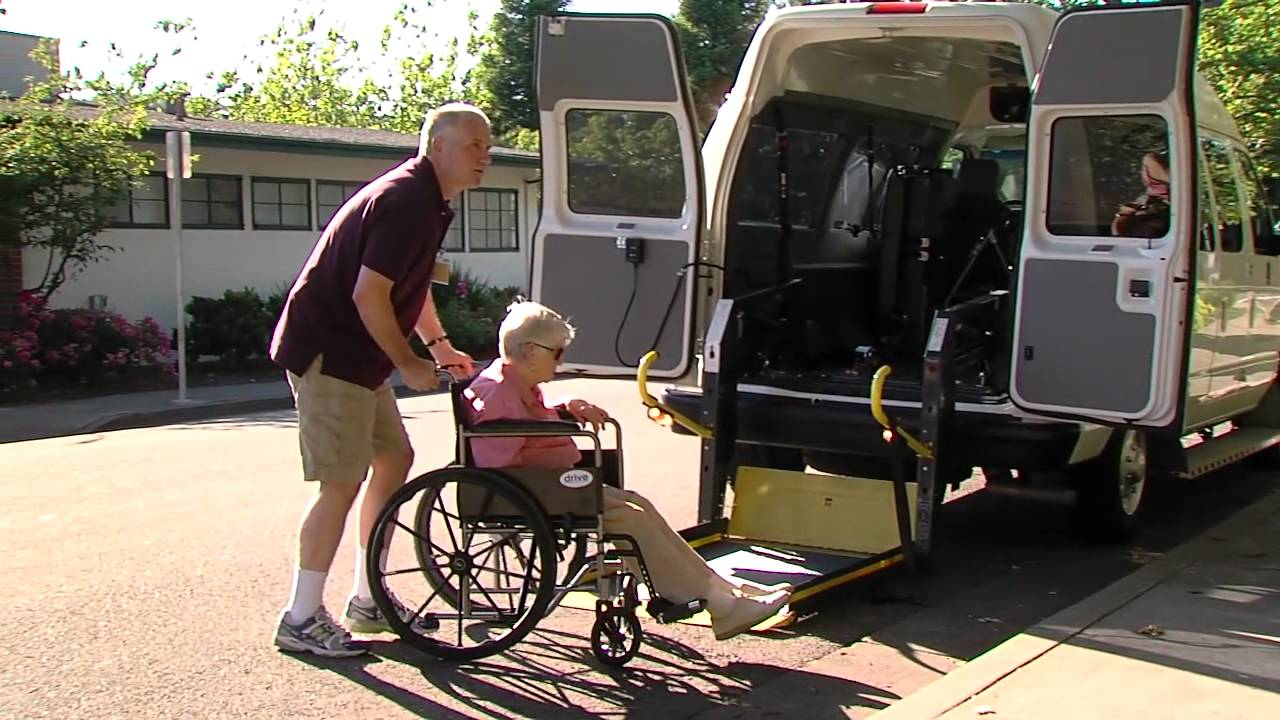
Under a Multisector Plan for Aging, the department of transportation is tasked with designing mobility solutions—such as subsidized micro-transit, specialized ride-sharing, and accessible pedestrian infrastructure—with the explicit goal of improving health metrics. They are building the physical bridges required to make community-based healthcare for seniors actually function in the real world.
A Whole-of-Government Approach
Pioneered heavily in states like California, the MPA movement has now expanded, with over two dozen states either implementing or actively planning their own blueprints. These plans typically rally around core, bold goals:
- Housing for All Ages and Stages: Ensuring zoning laws allow for affordable, accessible living arrangements (like Accessory Dwelling Units) so seniors are not forced into institutions simply because they cannot navigate stairs.
- Inclusion and Equity: Redesigning public spaces and community centers to combat the profound health risks of chronic social isolation.
- Affording Aging: Linking economic security programs directly to health outcomes, ensuring older adults never have to choose between buying groceries and filling their life-saving prescriptions.
Conclusion
We cannot innovate our way out of the aging crisis simply by building more hospitals or inventing new pharmaceuticals. The true future of longevity lies in the built environment around us. By tearing down the walls between government agencies, Multisector Plans for Aging are proving that a strategically placed bus stop or an affordable housing voucher can be just as potent—and vastly more cost-effective—than a hospital bed. We are finally treating aging not as a medical condition to be managed, but as a community to be meticulously designed.