Digital Press
  • Login
  • Home
  • Entertainment
  • Technology
  • Business
  • Celebrity
  • Lifestyle
  • Fashion
  • News
  • Contact Us
No Result
View All Result
  • Home
  • Entertainment
  • Technology
  • Business
  • Celebrity
  • Lifestyle
  • Fashion
  • News
  • Contact Us
No Result
View All Result
Digital Press
No Result
View All Result
Home Technology

Why Open-Source Slicers Are Taking Over 3D Printing

Admin by Admin
February 24, 2026
in Technology
Why Open-Source Slicers Are Taking Over 3D Printing

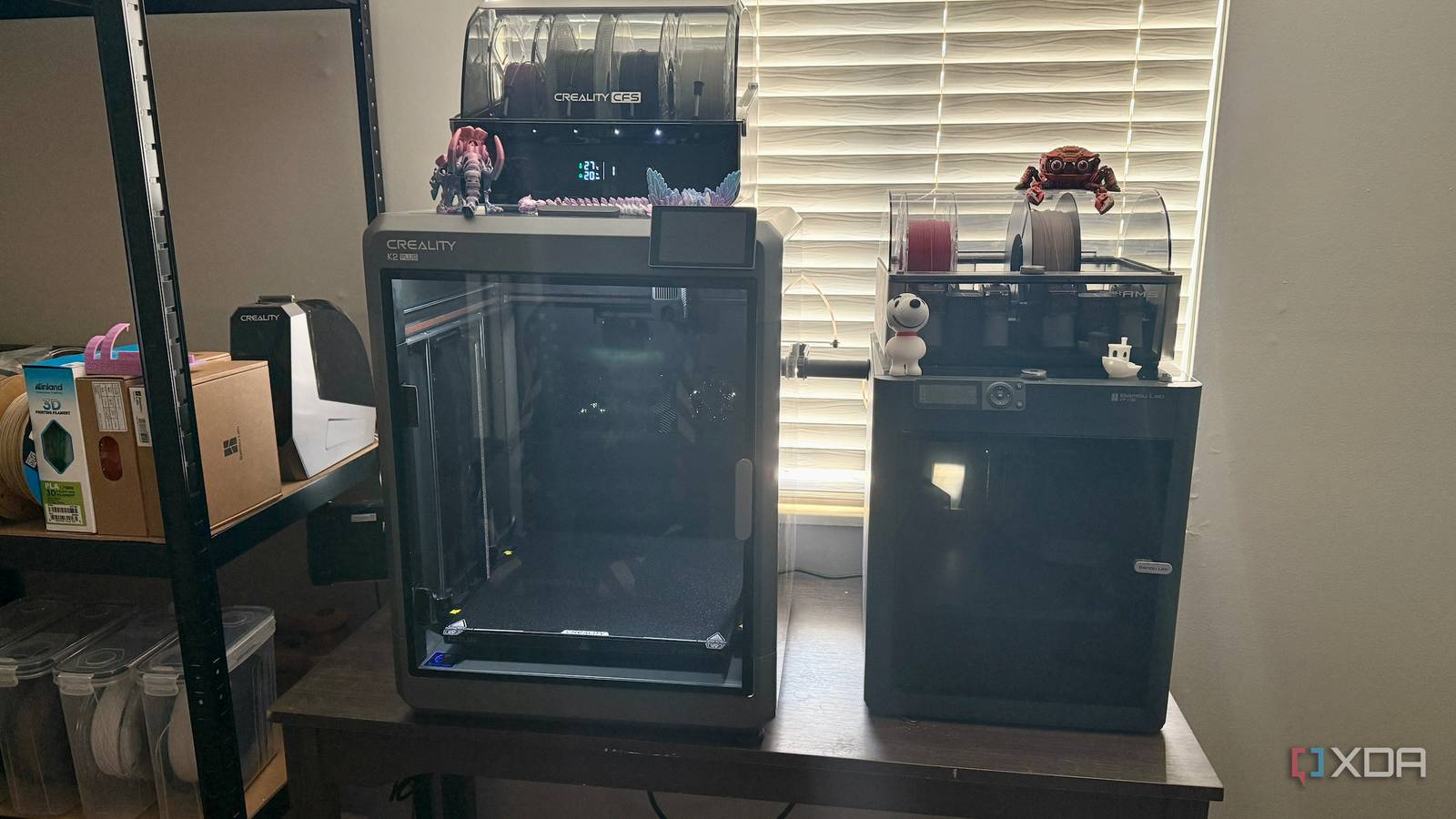
Not long ago, most 3D printing enthusiasts treated slicer software like an afterthought: pick whatever came with the printer, accept the defaults, and hope for the best. Today, slicers are where the real performance gains happen—stronger parts, cleaner surfaces, fewer failures, and faster prints.

That’s a big reason open-source slicers are surging. They evolve quickly, absorb new printer profiles and materials faster, and often solve real-world problems before closed tools even acknowledge them.

If you’re comparing options and want a modern workflow, many makers point to orcasslicer as a best 3d printing slicer choice because it blends rapid development with practical features that directly impact print quality.

Table of Contents

Toggle
  • What “open-source slicer” really means (and why it matters)
  • The biggest reasons open-source slicers are winning
  • How open slicers improve print quality in the real world
    • Smarter supports and cleaner removal
    • More reliable first layers
    • Speed without the ugly artifacts
  • Why the community model beats the “bundled slicer” era
  • What to look for when choosing an open-source slicer
  • Conclusion

What “open-source slicer” really means (and why it matters)

Open-source slicers publish their code and invite the community to improve it. In practice, that means bugs get found in the open, features can be reviewed publicly, and users aren’t stuck waiting on a single vendor’s roadmap. For 3D printing—where hardware changes fast and edge cases are everywhere—that openness is a competitive advantage.

The biggest reasons open-source slicers are winning

Open-source doesn’t win just because it’s free. It wins because it adapts faster and fits more workflows—from hobbyists printing PLA to small businesses dialing in engineering materials.

  • Faster iteration: New infill patterns, supports, and path-planning tweaks can ship quickly when development is distributed.
  • Better printer and material coverage: Community-maintained printer profiles often appear soon after new machines launch.
  • More transparency: When a setting changes behavior, you can trace why—and advanced users can validate what’s happening.
  • Stronger tuning culture: Shared presets for PETG, ABS, TPU, and carbon-filled filaments spread best practices fast.
  • Integration-friendly: Many open slicers play nicely with OctoPrint alternatives, Klipper-based setups, and custom firmware workflows.

How open slicers improve print quality in the real world

For most people, “better slicing” shows up as fewer failed prints and more consistent surfaces. Open-source slicers tend to push quality forward in a few concrete areas.

Smarter supports and cleaner removal

Support generation has become a battleground: organic/tree supports, better interface layers, and smarter overhang thresholds can reduce scarring and post-processing time.

More reliable first layers

Between pressure/linear advance awareness, adjustable initial layer flow, and nuanced bed/temperature control, many users find open slicers help them hit that “it just sticks” reliability—especially on textured PEI or glass.

Speed without the ugly artifacts

Open slicers increasingly focus on high-speed printing realities: acceleration limits, vibration considerations, and consistent extrusion through corners. The result is less ringing and fewer blobs at higher throughput.

Why the community model beats the “bundled slicer” era

Bundled slicers used to dominate because they were convenient. But convenience breaks down when you upgrade to a different nozzle, switch to a new filament brand, or move to a faster motion system. Open communities excel at capturing those edge cases.

  • Settings discussions are searchable, practical, and grounded in real prints.
  • Profiles improve through feedback loops instead of internal guesswork.
  • Niche needs—like miniature printing, vase mode tuning, or low-warp ABS—get real attention.

What to look for when choosing an open-source slicer

Not all open-source slicers feel the same. If you’re evaluating software for daily use, prioritize the features that reduce friction and improve repeatability.

  1. Strong defaults: A great slicer shouldn’t require hours of tuning to get a decent Benchy.
  2. Printer profiles you can trust: Look for active maintenance and frequent updates.
  3. Calibration tools: Flow, temperature towers, pressure advance tests, and retraction tuning should be easy to run.
  4. Support for advanced materials: PETG, TPU, nylon, and composites need fine control over cooling, speeds, and walls.
  5. Clear preview and diagnostics: Line type visibility, speed views, and seam previews save time and filament.

Conclusion

Open-source slicers are taking over 3D printing because they match the pace of the hobby and the industry: rapid hardware changes, new materials, and users who expect continuous improvement. The best ones combine transparency with practical engineering, turning slicer settings into real gains in strength, surface finish, and success rate.

In the end, the shift isn’t just about cost—it’s about control and momentum. When the community can iterate quickly and share what works, slicer software stops being a bottleneck and becomes one of the biggest upgrades you can make to your prints.

DigitalPess.it.com

Admin

Admin

Related Posts

Making Design Feedback Efficient: How to Choose the Best Tool for Your Team
Technology

Making Design Feedback Efficient: How to Choose the Best Tool for Your Team

February 24, 2026
Data-Ready Design Turns Chaos into Reliable Insight  
Technology

Data-Ready Design Turns Chaos into Reliable Insight  

February 24, 2026
7 Marketing Tech Tools That Can Boost Your Business
Technology

7 Marketing Tech Tools That Can Boost Your Business

February 24, 2026
Next Post
Choice Home Warranty Awards: Trusted & Top-Rated

Choice Home Warranty Awards: Celebrating Excellence in Service and Customer Satisfaction

Recommended

Jeremy Howard

Jeremy Howard: AI Visionary, Entrepreneur, and Pioneer in Machine Learning

2 weeks ago
When Mental Illness and Homelessness Collide: What Really Happens

When Mental Illness and Homelessness Collide: What Really Happens

1 week ago
max fredrik darnton

Max Fredrik Darnton: Entrepreneur, Investor, and Visionary Leader

1 month ago
jackie witte

Jackie Witte: The Forgotten Legacy of Paul Newman’s First Wife

5 months ago

Categories

  • Architecture & Design
  • Automotive
  • Biography
  • Business
  • Celebrity
  • Construction
  • Crypto
  • Digital Marketing
  • Education
  • Entertainment
  • Entrepreneurship
  • Environment
  • Fashion
  • Finance
  • Food
  • Games
  • Health
  • Home Improvement
  • Law
  • Lifestyle
  • Music
  • News
  • Politics
  • Sports
  • Technology
  • Travel
No Result
View All Result

Highlights

Data-Ready Design Turns Chaos into Reliable Insight  

7 Marketing Tech Tools That Can Boost Your Business

The Ultimate Guide to Choosing Glazed Ceramic Pots for Your Garden

Is Your “Air-Gapped” Computer Actually Talking to the Enemy?

James Iannazzo: Career, Controversy, and the Lessons Behind the Headlines

How to Rank Smarter, Not Harder: SEO Experts’ Proven Strategies

Trending

Choice Home Warranty Awards: Trusted & Top-Rated
Business

Choice Home Warranty Awards: Celebrating Excellence in Service and Customer Satisfaction

by Admin
February 24, 2026
0

When it comes to protecting your home, trust and reliability are paramount. Choice Home Warranty Awards highlight...

Why Open-Source Slicers Are Taking Over 3D Printing

Why Open-Source Slicers Are Taking Over 3D Printing

February 24, 2026
Making Design Feedback Efficient: How to Choose the Best Tool for Your Team

Making Design Feedback Efficient: How to Choose the Best Tool for Your Team

February 24, 2026
Data-Ready Design Turns Chaos into Reliable Insight  

Data-Ready Design Turns Chaos into Reliable Insight  

February 24, 2026
7 Marketing Tech Tools That Can Boost Your Business

7 Marketing Tech Tools That Can Boost Your Business

February 24, 2026

About

DigitalPress.it.com is a hub for quality, insightful, and engaging content that inspires and informs readers worldwide. Covering a wide range of topics including Technology, Business, Lifestyle, Entertainment, Celebrity, Fashion, and News, we focus on delivering articles that are relevant, trustworthy, and thought-provoking.

Our mission is to provide readers with valuable knowledge and fresh perspectives while maintaining high standards of originality and credibility. At DigitalPress.it.com, content is not just published—it’s crafted to add meaning, spark ideas, and connect with a global audience.

Latest Post

Choice Home Warranty Awards: Trusted & Top-Rated

Choice Home Warranty Awards: Celebrating Excellence in Service and Customer Satisfaction

February 24, 2026
Why Open-Source Slicers Are Taking Over 3D Printing

Why Open-Source Slicers Are Taking Over 3D Printing

February 24, 2026
Making Design Feedback Efficient: How to Choose the Best Tool for Your Team

Making Design Feedback Efficient: How to Choose the Best Tool for Your Team

February 24, 2026

Search

No Result
View All Result
digitalpress.it.com
  • About Us
  • Contact Us

© DigitalPress.it.com | All Rights Reserved

No Result
View All Result
  • Home
  • Entertainment
  • Technology
  • Business
  • Celebrity
  • Lifestyle
  • Fashion
  • News
  • Contact Us

© DigitalPress.it.com | All Rights Reserved

Welcome Back!

Login to your account below

Forgotten Password?

Retrieve your password

Please enter your username or email address to reset your password.

Log In