Tooth discolouration is often brushed off as a cosmetic concern. Many people assume that yellow, brown, or grey teeth are simply the result of coffee, tea, smoking, or getting older. Because of this, the first reaction is usually to try a whitening product or book a cosmetic treatment.
However, discoloured teeth are not always just about appearance. In some cases, changes in tooth colour can point to underlying dental problems, structural damage, or internal changes within the tooth. Treating the colour alone without understanding the cause can delay proper care or even make things worse.
That is why seeing a Teeth Whitening Dentist in Sydney is an important first step when you notice changes in your tooth colour. A qualified dentist can determine whether the issue is purely cosmetic or something that needs further treatment.
Why Stained Teeth Are Not Always Just About Lifestyle
Lifestyle habits indeed play a big role in tooth staining. Coffee, tea, red wine, smoking, and certain foods can all leave pigments on the surface of your teeth over time.
These types of stains, known as external or extrinsic stains, are usually considered cosmetic and can often be treated with professional cleaning or whitening.
But not all discolouration starts on the surface. Some stains develop from inside the tooth, and these can be a sign of deeper dental issues that whitening alone will not fix.
This is why a proper assessment from a Teeth Whitening Dentist in Sydney is so important before starting any treatment.
Intrinsic vs Extrinsic Discolouration
Dentists generally classify tooth discolouration into two types.
Extrinsic discolouration affects the outer enamel and is typically caused by coffee, tea, red wine, smoking, dark-coloured foods, and poor oral hygiene. These stains are usually easier to remove with professional cleaning or whitening.
Intrinsic discolouration occurs within the inner structure of the tooth, known as the dentin. It may be caused by trauma or injury, certain medications taken during childhood, excess fluoride exposure, genetic conditions affecting enamel, or natural ageing. These stains often appear grey, brown, or bluish and do not respond well to standard whitening treatments.
What Different Tooth Colours Can Mean
Not all discolouration looks the same, and the colour can sometimes give clues about what is happening.
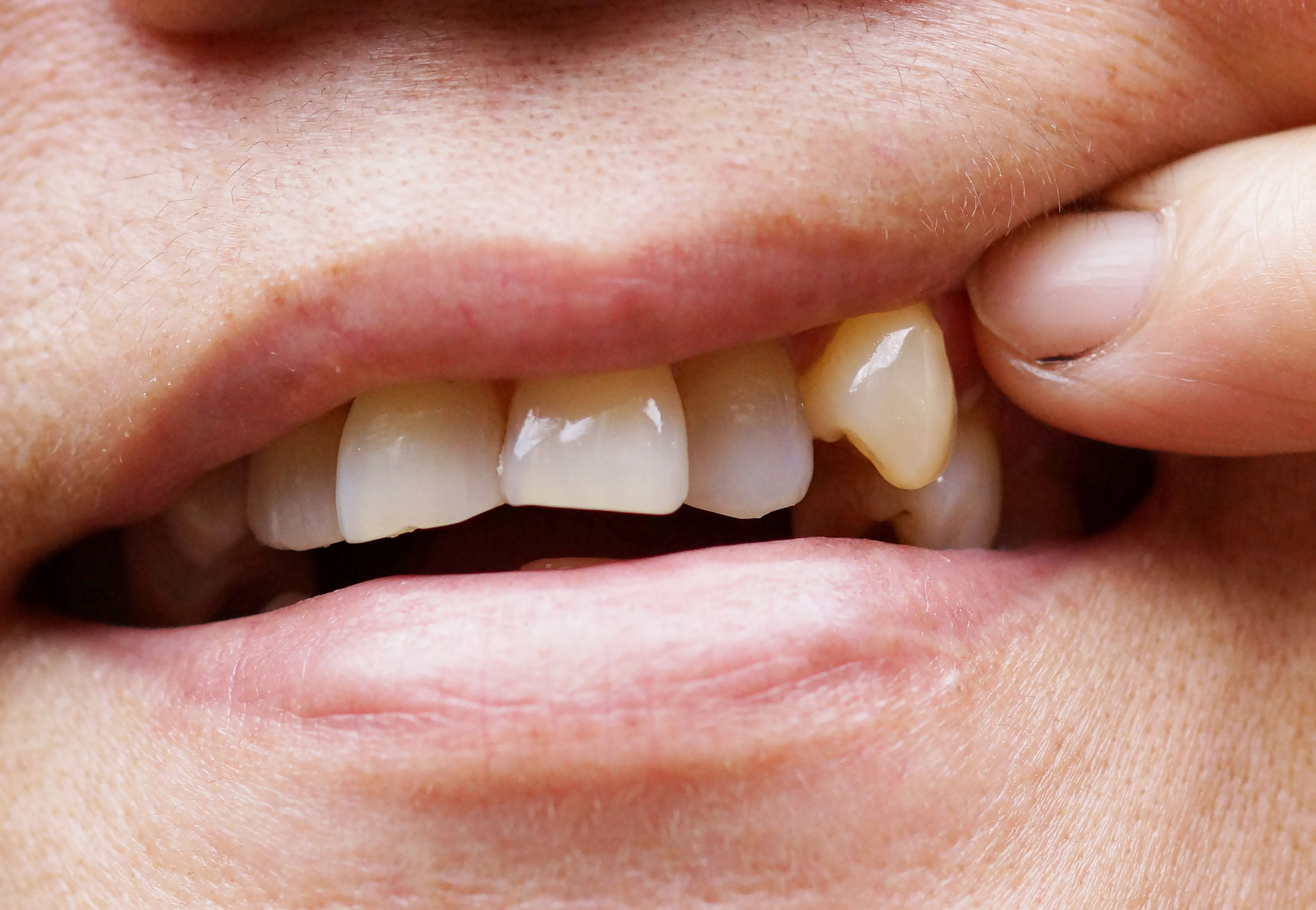
A grey tooth may indicate trauma or nerve damage. Brown or dark spots can suggest early decay or enamel defects. Yellowing is often linked to enamel wear or surface staining.
If only one tooth changes colour, it is especially important to have it checked. This can point to internal damage rather than a simple surface stain. A Teeth Whitening Dentist in Sydney can assess these changes and determine whether further treatment is needed.
When Whitening Is Not the Right Solution
Teeth whitening is a popular and effective treatment, but it is not suitable for every situation.
If the discolouration is internal, whitening products may not work at all. In some cases, they can increase tooth sensitivity or irritate the tooth if there are cracks or decay. Whitening a tooth affected by infection or nerve damage does not fix the underlying problem and may delay proper treatment.
This is why it is always best to consult a Teeth Whitening Dentist in Sydney before starting any whitening procedure.
How a Teeth Whitening Dentist in Sydney Diagnoses the Problem
Before recommending treatment, a dentist will carry out a thorough examination. This involves assessing the pattern and colour of the discolouration, checking the condition of the enamel and gums, and identifying any signs of decay or damage.
In some cases, dental X-rays may be needed to detect internal issues that are not visible during a standard examination. This allows the dentist to determine whether the discolouration is cosmetic or related to a deeper problem.
Treatment Options Beyond Whitening
Once the cause of discolouration is identified, the appropriate treatment can be selected.
If the staining is external, professional whitening can improve the appearance significantly. When the discolouration is internal, other treatments may be more suitable.
Dental bonding can be used to cover discoloured areas with a tooth-coloured material. Porcelain veneers provide a long-lasting cosmetic solution by covering the front surface of the tooth. Dental crowns may be required when there is structural damage. If the discolouration is caused by infection or nerve damage, root canal treatment may be necessary before any cosmetic work is done.
These options focus on addressing both the appearance and the underlying issue.
Conclusion
Tooth discolouration is not always just a cosmetic concern. While many stains are caused by everyday habits, others may indicate deeper dental problems that require attention.
Instead of relying on over-the-counter solutions, it is important to seek a proper diagnosis. Visiting a Teeth Whitening Dentist in Sydney ensures that the cause of discolouration is identified and treated correctly.
A healthy smile is not only about appearance. It is also about maintaining the strength and health of your teeth.
FAQs
What causes tooth discolouration
Tooth discolouration can be caused by external factors such as coffee and smoking, or internal issues like trauma, medications, or enamel defects.
Can all stains be removed with whitening
No. Internal stains often require treatments such as bonding, veneers, or crowns rather than standard whitening.
Why has one tooth turned grey
A grey tooth may indicate trauma or nerve damage and should be examined by a dentist.
When should I see a dentist?
If you notice sudden colour changes, dark spots, or whitening treatments are not working, it is best to consult a Teeth Whitening Dentist in Sydney.