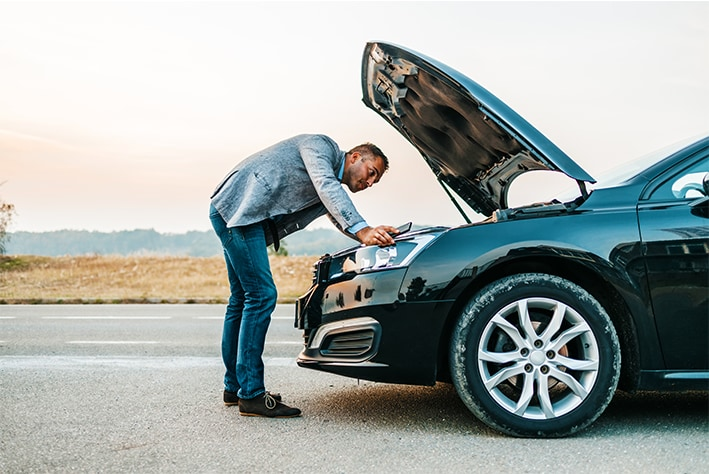
It can be frustrating to experience your car pulling to one side during braking, especially after you have recently had the brakes serviced. Many drivers assume the issue must be related to wheel alignment or steering. However, in most cases, the problem is directly linked to the braking system itself.
When the braking force is uneven across the vehicle, one side slows down faster than the other. This imbalance causes the car to veer in a specific direction. If this happens after a recent service, it usually means something was missed or not fully addressed. In such cases, having the vehicle checked by a Brake Repair Mechanic in Sydney is the most reliable way to identify the root cause.
Why Brake Pull Happens
When you press the brake pedal, hydraulic pressure forces the brake pads against the rotors at each wheel. For the vehicle to stop smoothly, this force must be evenly distributed across both sides.
If one side applies more braking force than the other, the vehicle will naturally pull in that direction. This imbalance is often caused by a mechanical fault within the braking system rather than external factors.
One of the most common causes is a sticking brake calliper. When the calliper does not move freely, it can apply uneven pressure, leading to inconsistent braking performance.
The Role of a Seized Brake Calliper
Brake callipers are responsible for pressing the brake pads against the rotors. If a calliper becomes stuck or partially seized, it may not release or apply pressure correctly.
When this happens, one wheel may slow down faster than the other. This creates an immediate pulling effect during braking.
In some cases, drivers may also notice additional signs such as excessive heat from one wheel, uneven brake pad wear, or a burning smell after driving. These are clear indicators that the braking system is not operating evenly.
A proper inspection by a Brake Repair Mechanic Sydney usually begins with checking calliper movement, as it is one of the most frequent causes of brake pull.
Contaminated Brake Pads and Uneven Performance
Another common but often overlooked cause of brake pull is contaminated brake pads.
Brake pads rely on friction to stop the vehicle. If oil, grease, or brake fluid comes into contact with the pad surface, it reduces its effectiveness. This results in one side producing less braking force than the other.
This issue often occurs when there is a leak in the braking system, such as a damaged calliper seal. The fluid can seep onto the pads, reducing their ability to grip the rotor.
Even if the pads appear visually fine, contamination can significantly affect performance. In such cases, both the leak and the affected pads must be addressed to restore balanced braking.
Brake Pull Is a Clear Diagnostic Indicator
Brake pull is not random. The direction in which the car pulls provides useful information about where the problem is located.
If the vehicle pulls to the left, the issue is usually on the left side. This could mean that the left side is braking too strongly or the right side is braking less effectively.
Professional diagnostics involve comparing both sides of the vehicle rather than treating the braking system as a whole. Technicians assess factors such as pad condition, rotor wear, and calliper function to identify differences.
This detailed approach ensures the exact cause is found and properly resolved.
The Risks of Ignoring Brake Imbalance
Driving with uneven braking can be dangerous, particularly in emergency situations. When braking forces are not balanced, the vehicle may become unstable and difficult to control.
At higher speeds, this instability can increase the risk of accidents. Wet or slippery road conditions make the situation even more hazardous.
Uneven braking also leads to faster wear of certain components. One side of the braking system may overheat, causing damage to rotors, pads, and other parts.
Addressing the issue early helps prevent further damage and reduces long-term repair costs.
How Professionals Diagnose Brake Issues
A proper brake inspection involves a detailed evaluation of each wheel rather than a quick visual check.
Technicians typically begin by checking calliper movement to ensure it is operating smoothly. Brake pads are inspected for uneven wear or contamination. Rotors are examined for surface damage or irregularities.
Hydraulic pressure is also assessed to ensure consistent force is being applied across all wheels. By comparing each side of the vehicle, technicians can identify even small differences in braking performance.
This systematic approach allows a Brake Repair Mechanic Sydney to pinpoint the exact issue and carry out the necessary repairs effectively.
How to Explain the Issue Clearly
Providing clear information about the problem can help speed up the diagnosis process.
Instead of simply stating that the car pulls, it is helpful to describe the behaviour in detail. Mention which direction the car pulls, whether it happens during light or heavy braking, and when the issue started.
If the problem appeared after a recent service, this information is especially important. It helps the technician identify whether a component was overlooked or installed incorrectly.
Clear communication can reduce diagnostic time and lead to quicker repairs.
Conclusion
A car pulling to one side during braking is almost always caused by uneven braking force rather than steering issues. Even after a recent service, problems such as sticking callipers, contaminated brake pads, or uneven wear can still occur.
Because this issue directly affects vehicle safety, it should not be ignored. Early inspection and repair can prevent more serious problems and ensure the vehicle remains stable during braking.
If you notice your car pulling under braking, it is important to have it checked by a qualified Brake Repair Mechanic Sydney. Identifying and fixing the issue early ensures safe and reliable performance on the road.
FAQs
1. Why does my car pull to one side when braking?
This usually happens due to uneven braking force, often caused by a sticking calliper or contaminated brake pads.
2. Can new brakes still cause pulling?
Yes. If other components such as callipers or hydraulic systems are not functioning properly, pulling can still occur.
3. Is it safe to drive with brake pull?
No. It can affect vehicle control, especially during emergency braking or on wet roads.
4. What is the most common cause of brake imbalance?
A sticking brake calliper is one of the most common causes.
5. How is brake pull fixed?
The issue is resolved by identifying and repairing the faulty component, which may include callipers, pads, or hydraulic parts.