Understanding Female Hair Loss
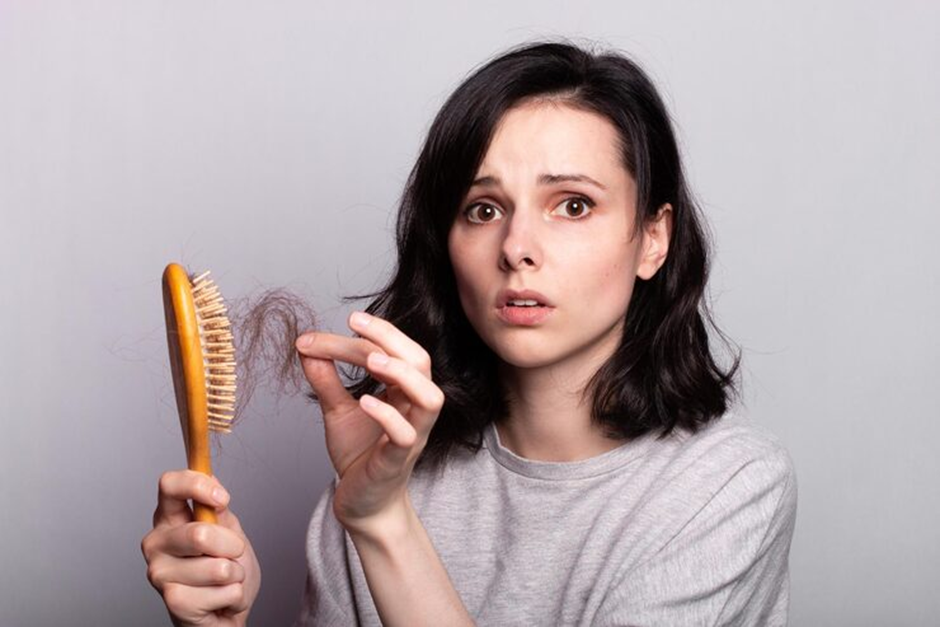
Hair loss in women can occur due to genetics, hormonal changes, stress, nutritional deficiencies, or underlying medical conditions. Early intervention is key to preventing further thinning, maintaining hair density, and improving overall scalp health. Hair loss treatment for women focuses on addressing the root causes while promoting hair growth and reducing shedding.
In Sydney, specialised clinics provide personalised hair loss treatment in women, combining medical, lifestyle, and procedural approaches to slow or reverse hair thinning.
Recognising Early Signs of Hair Loss
Common Indicators
Early intervention begins with recognising the signs of hair loss. Common indicators include:
- Gradual thinning on the crown or part line
- Increased hair shedding during washing or brushing
- Noticeable widening of the hair part
- Receding hairline or reduced volume in certain areas
Early recognition allows treatment to be started before extensive thinning occurs.
Understanding the Causes
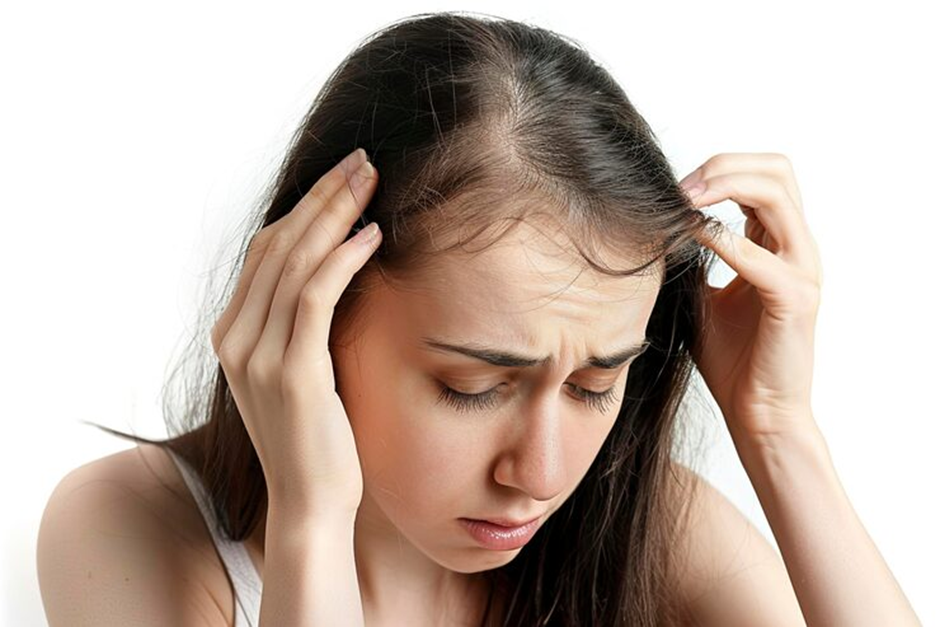
Women’s hair loss can be triggered by several factors:
- Hormonal changes: Pregnancy, menopause, or thyroid imbalances
- Genetics: Female pattern hair loss (androgenetic alopecia)
- Stress or illness: Physical or emotional stress can trigger temporary shedding
- Nutritional deficiencies: Low iron, vitamin D, or protein intake can affect hair growth
Identifying the underlying cause helps determine the most effective treatment approach.
Medical Consultation and Diagnosis
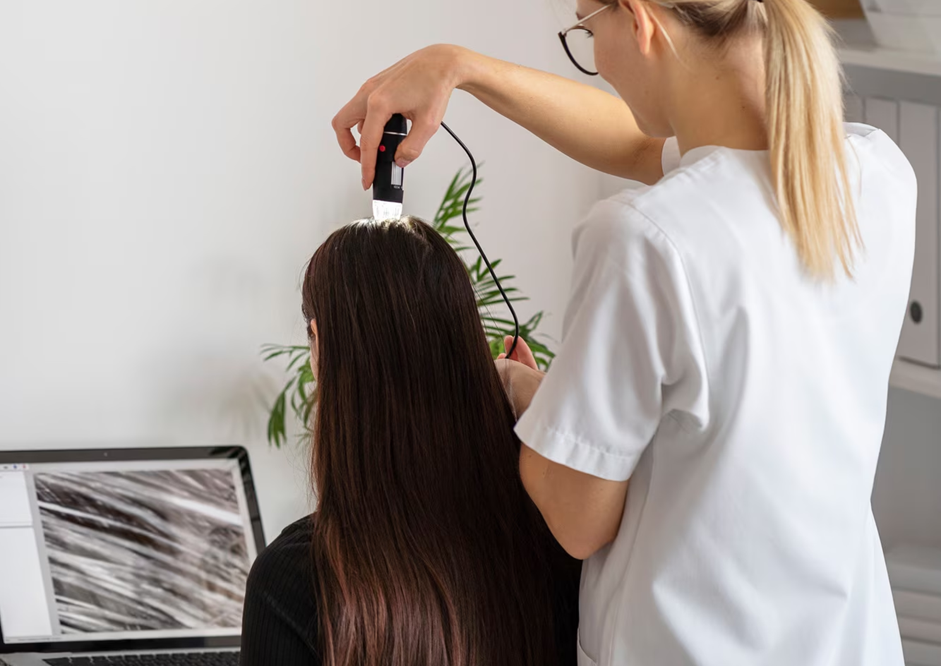
Scalp Assessment
A hair loss specialist or dermatologist can assess scalp health, hair density, and shedding patterns. Early evaluation ensures appropriate treatment planning and reduces the risk of progression. Physical examinations often involve a “pull test” to determine the severity of active shedding and to identify if the loss is localised or diffuse.
Blood Tests and Hormonal Evaluation
Tests may be conducted to detect deficiencies or hormonal imbalances, which can influence hair growth and guide personalised interventions. Clinicians typically screen for ferritin levels, thyroid function, and androgen profiles to rule out systemic issues that might mimic or exacerbate genetic thinning.
Scalp Imaging and Trichoscopy
Advanced imaging tools allow detailed examination of hair follicles and scalp condition. This technology can track progression and treatment effectiveness over time. By capturing high-magnification images, specialists can identify subtle signs of follicle miniaturisation and scalp inflammation that are invisible to the naked eye.
Early Treatment Options
Topical Treatments
Topical therapies can stimulate hair follicles and reduce shedding. Options may include:
- Minoxidil solution or foam for women
- Scalp serums with growth factors
- Nourishing products to maintain follicle health
Oral Medications
For cases with hormonal involvement or nutritional deficiencies, doctors may recommend:
- Hormone-modulating therapies
- Supplements for iron, vitamin D, or biotin
- Anti-inflammatory medications in selected cases
Non-Surgical Procedures
Procedures to encourage hair regrowth and improve scalp health include:
- PRP (Platelet-Rich Plasma) therapy: Uses growth factors from your own blood to stimulate follicles
- Low-level laser therapy: Enhances circulation and follicle activity
- Microneedling or scalp needling: Promotes collagen production and nutrient absorption
Early intervention allows these procedures to achieve more effective results, as follicles are healthier and more responsive.
Lifestyle and Hair Care Adjustments
Supporting treatment with healthy habits can improve outcomes:
- Balanced diet rich in protein, vitamins, and minerals
- Stress management through exercise, meditation, or therapy
- Gentle hair care to avoid traction or chemical damage
- Avoiding excessive heat styling and tight hairstyles
These measures complement professional treatment and slow further hair loss.
Monitoring Progress
Regular follow-up appointments are essential to:
- Track hair density and regrowth
- Adjust treatment plans as needed
- Identify early signs of relapse or inadequate response
Early intervention combined with consistent monitoring ensures the best chance of maintaining hair volume and health.
Psychological Considerations
Hair loss in women can significantly affect self-confidence and emotional wellbeing. Early consultation with specialists provides not only treatment but also reassurance and support. In some cases, combining medical treatment with cosmetic options such as hair fibres, wigs, or partial scalp micropigmentation can enhance appearance while underlying therapy takes effect.
Choosing the Right Clinic in Sydney
Selecting a reputable clinic for hair loss treatment in women ensures access to:
- Experienced medical professionals specialising in female hair loss
- Evidence-based treatments and advanced procedures
- Personalised treatment plans tailored to your hair and scalp condition
- Comprehensive follow-up and long-term care
A qualified clinic can assess whether early intervention strategies are suitable for your individual needs and lifestyle.
Conclusion
Early intervention in female hair loss significantly improves the likelihood of maintaining hair density and scalp health. Recognising early signs, understanding the underlying causes, and seeking professional evaluation are critical first steps.
By combining medical treatments, non-surgical procedures, lifestyle adjustments, and regular monitoring, women can slow or reverse hair loss effectively. Hair loss treatment in Sydney clinics offers personalised care, ensuring that early intervention produces the best possible results for healthier, fuller hair. Ultimately, the goal of early intervention extends beyond simple aesthetics; it is about restoring the confidence and well-being that hair loss can often diminish. Taking proactive steps today ensures a more manageable journey toward long-term hair preservation and overall scalp vitality.