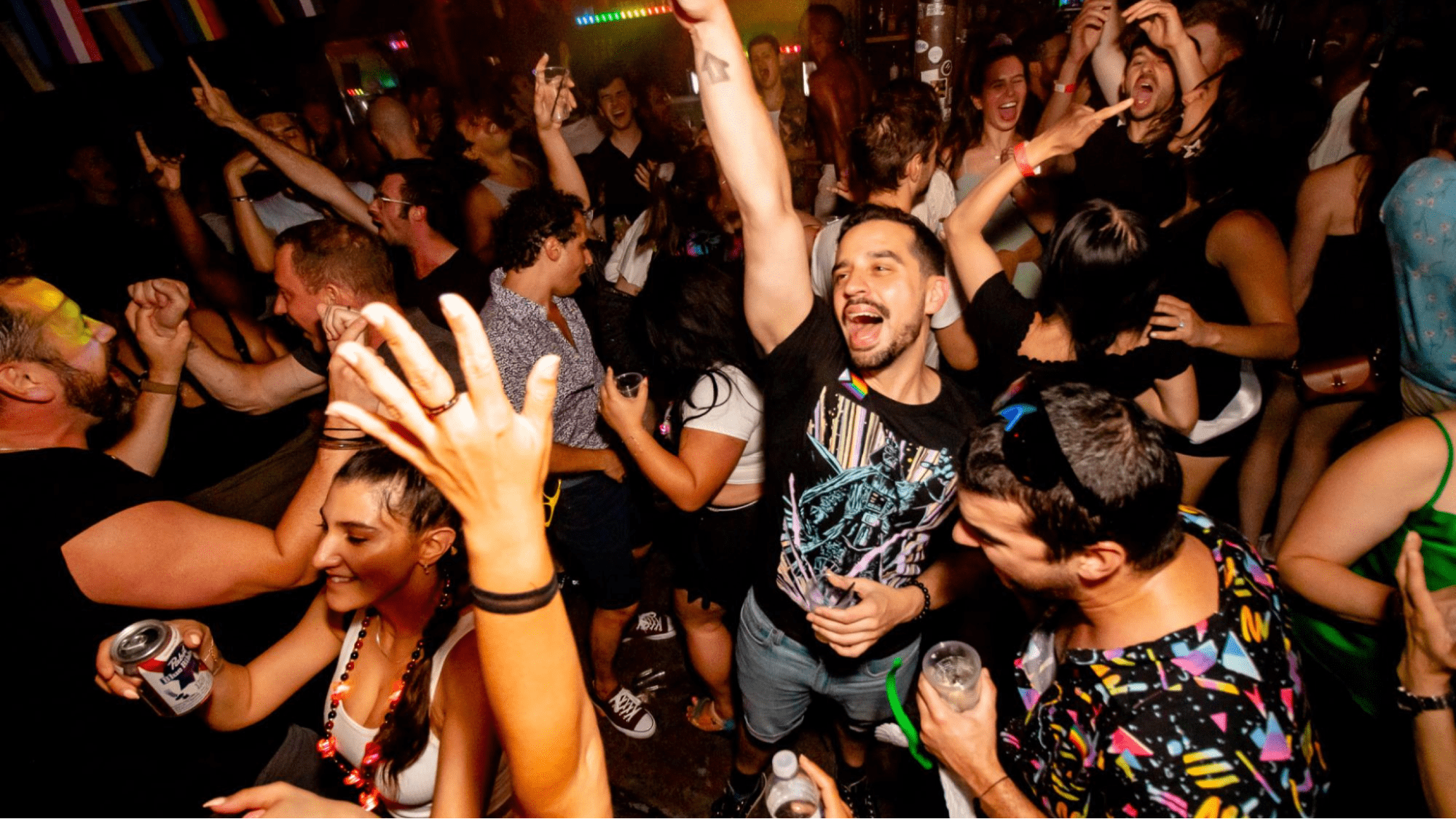
Walk into a nightclub at 1 a.m. and you’ll see the same scene in almost every city. Loud music. People packed shoulder-to-shoulder. Someone filming a story for Instagram. Someone else orders another round like it’s a mini mission: “two tequila sodas, one vodka cran, water on the side.”
Now add the celebrity layer.
A famous DJ posts a backstage clip with bottles lined up like trophies. A touring artist jokes about “surviving on champagne and something stronger.” A reality star shares a “wild night” recap that sounds like a checklist. Even when nobody says what they took, the vibe lands the same. Mixing is part of the story. It looks normal. It looks funny. It looks like the price of admission.
And that’s where things get dangerous. The most harmful moments in nightlife often happen when people mix alcohol with pills, stimulants, or other drugs. Not because everyone is trying to overdose. Usually it’s the opposite. People think they’re managing it.
But the body doesn’t care what you meant to do.
The social media effect: when “messy” starts looking like a lifestyle
Celebrities don’t create nightlife culture, but they amplify it. They set the tone for what looks cool, what looks reckless-but-fine, and what looks like a normal way to cope with pressure.
And social media makes the message stick.
A normal night out used to disappear the next day. Now it lives forever in clips, captions, and memes. Party footage becomes content. People watch it like it’s a tutorial, even when it’s not meant to be.
Here’s the tricky part. Most posts don’t show the consequences. You see the “before” and the “during.” You don’t see the 4 a.m. panic, the next-day blackout gaps, or the argument with security. You don’t see the ambulance, the ER wait, the “what happened?” group chat. So your brain fills in the blank: they did it and they were fine.
That’s how normalization works. Not through a single bad message. Through repetition.
The “high functioning” illusion
A lot of celebrity nightlife content leans on the idea that you can go hard and still deliver. Perform. Pose. Show up for the meeting. Hit the stage. Do press. Be charming.
That “still functioning” look is powerful. It suggests mixing substances is manageable if you’re disciplined, successful, or surrounded by a team.
But functioning isn’t the same as safe. It’s often a short-term window before the crash.
Polydrug risk 101: why mixing hits harder than people expect
Polydrug use means taking more than one substance around the same time. In nightlife, the classic mix is alcohol plus something else.
That “something else” changes depending on the scene. Pills. Stimulants. Sedatives. Cannabis. Sometimes multiple at once.
The risk jumps because the effects don’t simply add up. They interact. They can multiply, cancel, or disguise each other. And that’s when people make choices they wouldn’t make sober.
Alcohol is the main driver here because it’s everywhere and it lowers your guard. It also affects breathing, coordination, memory, and judgment. Add another drug, and you can end up in a situation where you feel fine until you aren’t.
And the scariest part is how quickly the line moves.
You can go from “i’m buzzing” to “i can’t stand” fast. You can go from “this is fun” to “i don’t remember anything” in a single hour, especially if you’ve been dancing, sweating, not eating, and taking another drink like clockwork.
Two common patterns
- Downer + downer
Alcohol plus sedatives (like benzos or certain sleep meds) can depress breathing. This combo is strongly linked with overdose risk because it can push the body into a level of sedation that sneaks up on people. - Stimulant + alcohol
Stimulants can make you feel more awake, so you drink more than you realize. Your body still carries the alcohol load, but your brain feels “sharp.” That mismatch leads to risky decisions and late-night escalation.
“Party stacking”: the nightlife habit nobody calls by name
A lot of mixing isn’t planned like, “Tonight I will combine three substances.” It’s more casual than that. It’s stacking. Layering. Topping up.
It can look like:
- a couple drinks to start
- something to “keep the energy up”
- a pill to take the edge off later
- another drink because everyone’s still going
- something to help you sleep afterward
People do this because they’re trying to engineer a specific feeling. Calm but social. Wired but not anxious. Confident but not sloppy. Awake but able to come down.
Nightlife sells that promise. Celebrity culture reinforces it. The idea is you can curate your mood like a playlist.
But your nervous system isn’t a playlist. It’s a fragile balance of chemistry, sleep debt, hydration, and stress. Stack too much, and the brain starts making weird calls.
A quick detour that matters: tours and travel change everything
If you’ve ever traveled across time zones, you already know the body keeps receipts. Sleep gets weird. Appetite gets weird. Anxiety spikes for no clear reason.
Now picture a tour schedule or nightlife work schedule. Late nights. Bright lights. Loud noise. Short sleep. Pressure to be “on.” That’s a setup for substance stacking because people try to force the body to keep up.
Celebrities live this on a bigger scale, but the pattern spreads to regular nightlife too. Promoters. bartenders. dancers. DJs. People with gig work. People who party like it’s a second job.
Impaired decision-making: why mixing leads to chaos fast
Mixing substances doesn’t just raise overdose risk. It raises behavior risk. That means fights, accidents, unsafe sex, driving while impaired, and impulsive choices that feel “out of character” the next day.
Alcohol already lowers inhibition. Add something that increases confidence or blunts fear, and you get a perfect storm.
This is where celebrity normalization really lands. A celebrity can do something wild, laugh it off publicly, and bounce to the next event. Most people don’t have that buffer. They have jobs, relationships, legal consequences, and bodies that don’t reset with a glam squad.
And even if you ignore the big emergencies, there’s the slow damage. Sleep wrecked. Mood swings. Anxiety creeping up. Using more often to get the same effect. A pattern that starts as “weekends only” and turns into “whenever i go out” and then “whenever i feel off.”
That’s not a moral failure. That’s conditioning.
When the “after” becomes the real problem
A lot of people focus on the party itself. But the aftermath is where mixing does long-term harm.
Hangxiety is real. The next-day dread, shame, irritability, and panic can be intense, especially when alcohol is combined with stimulants or certain pills. If you don’t remember what you did, your brain fills the gap with worst-case scenarios. That stress can push people to use again to calm down.
It’s a loop. Nightlife creates the trigger, and the comedown creates the fuel.
The quiet shift: from “fun” to “care needed” without a headline moment
Not every risky pattern looks dramatic. A lot of people keep it together on the outside. They show up. They work. They laugh about it. And inside they’re tracking their own use like a project plan:
- “only on weekends”
- “only at festivals”
- “only if i’m stressed”
- “only if i can’t sleep”
That kind of rule-making is common. It’s also a sign someone feels the situation slipping a bit.
Some people decide to step back and get structured help, especially if alcohol and other substances keep mixing in ways that feel hard to control. That can include outpatient care, therapy, or a higher level of support depending on severity and safety needs. For some, services like Kora Behavioral Health in Lancaster become part of that next chapter, especially when mental health symptoms and substance use are tangled together.
And yes, it can feel strange to say that out loud because celebrity culture makes the behavior look normal. But your life is not a highlight reel. Your brain deserves better than a routine that keeps putting it in danger.
What celebrities get wrong about “risk” and what you can see if you look closer
Celebrities often talk about partying in a way that removes the body from the story. The jokes are about chaos, not chemistry. The narrative is about being “wild,” not being sedated, dehydrated, or sleep-deprived.
But risk is physical. It’s not a vibe.
It’s:
- how fast substances enter your system
- whether you’ve eaten
- whether you’re exhausted
- what your tolerance is right now
- what’s actually in the pill or powder
- whether you’re mixing depressants
- whether anyone around you can respond in an emergency
Famous people sometimes have buffers: staff, security, private drivers, controlled environments. Some have medical support on tour. Some can disappear for recovery without explaining anything to anyone.
Most people don’t have that safety net. So copying the aesthetic without the protection is a bad deal.
When privacy changes the care equation
For people in public-facing roles, the fear of exposure can block treatment. They worry about photos, gossip, contracts, and reputation.
That’s why some people choose more contained environments when they need a reset. A structured setting can reduce access to substances, stabilize sleep, and make it easier to handle co-occurring issues like anxiety or depression without constant external noise. For some, Residential Rehab in CA offers that kind of contained structure, especially when mixing has become frequent and risky.
This isn’t about drama. It’s about safety and stability.
The bottom line: normalization doesn’t mean safe
Celebrity culture can make mixing substances look casual, funny, and inevitable in nightlife. But the science and real-life outcomes don’t match that story.
Polydrug use raises overdose risk. It increases impulsive behavior. It makes people misread their own impairment. It turns a “normal night out” into a medical emergency faster than people expect.
And if you’ve ever thought, even once, “i should probably slow down,” that’s not you being weak or boring. That’s your brain doing its job. It’s waving a flag before something worse happens.
Nightlife will always have temptation and hype. The smarter move is seeing the pattern clearly, even when the internet keeps trying to make it look glamorous.