The human brain acts as the command centre for every thought, movement, and emotion we experience. It is a complex network of billions of neurons, firing in a delicate symphony. When this harmony falters—due to injury, tumours, or degenerative conditions—the stakes are incredibly high. This is where the discipline of neurosurgery steps in. Far from being just “brain surgery,” this field represents the pinnacle of medical precision, blending advanced technology with a deep understanding of the most intricate system in the human body.
What Defines Modern Neurosurgery?
Neurosurgery is the medical specialty concerned with the prevention, diagnosis, and surgical treatment of disorders affecting the nervous system. This includes the brain, the spinal cord, and the peripheral nerves that extend throughout your limbs. Today, neurosurgeons do not simply operate; they navigate a three-dimensional landscape where a single millimetre can make the difference between a successful recovery and a loss of function.
While many people associate this field with life-threatening emergencies, much of the work involves elective procedures that significantly improve quality of life. Whether it is relieving chronic back pain or stopping a debilitating tremor, neurosurgery restores independence to patients every day.
The Breadth of Neurosurgical Subspecialties
Modern medicine has evolved beyond a “one size fits all” approach. Within a leading neuro spinal hospital Dubai, specialists focus on specific niches to provide the highest level of expertise.
- Neuro-Oncology: This branch focuses on the surgical management of primary and metastatic tumours of the brain and spine. Surgeons use intraoperative mapping to remove tumours while preserving speech and motor skills.
- Spine Surgery: This is perhaps the most common area of neurosurgery. It addresses herniated discs, spinal stenosis, and complex reconstructive surgery for scoliosis or trauma.
- Vascular Neurosurgery: These specialists treat conditions like aneurysms and arteriovenous malformations (AVMs). They often use “endovascular” techniques, where they repair blood vessels from the inside using thin catheters.
- Functional Neurosurgery: This area treats movement disorders like Parkinson’s disease through Deep Brain Stimulation (DBS). It also addresses chronic pain and epilepsy.
- Paediatric Neurosurgery: Children require a different approach. Surgeons here treat congenital defects like hydrocephalus (excess fluid in the brain) or spina bifida with extreme gentleness.
Advanced Technology in the Operating Theatre
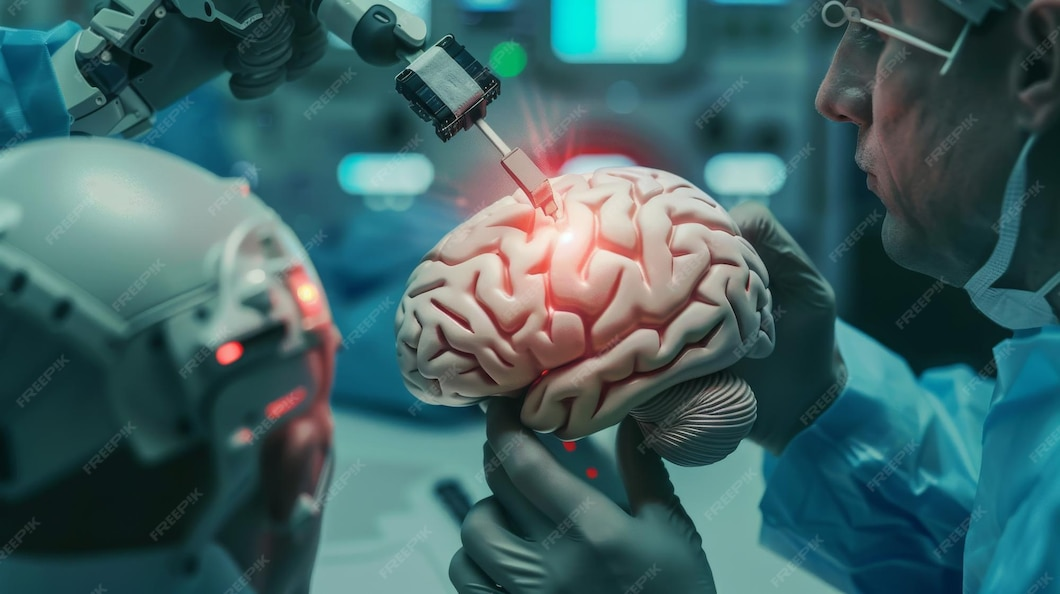
The image of a surgeon working with only a scalpel is a relic of the past. Today, the operating theatre looks more like a high-tech flight deck. Surgeons in a premier neurology hospital in Dubai utilise tools that provide a “GPS for the brain.”
Neuronavigation allows the surgical team to upload MRI or CT scans into a computer system. During the operation, a pointer shows the surgeon exactly where they are in the brain in real-time. This “image-guided surgery” minimises the size of the incision and reduces damage to healthy tissue.
Furthermore, Intraoperative Neuromonitoring (IONM) has changed the safety profile of these surgeries. While the patient is asleep, technicians monitor electrical signals in the nerves. If the surgeon gets too close to a critical pathway—such as the nerve controlling the hand or leg—the system provides an immediate alert. This ensures that the patient’s physical abilities remain intact after the procedure.
The Importance of the Spine
We often forget that the spine is an extension of the brain. The spinal cord carries messages from the head to the rest of the body. When a disc slips or the spinal canal narrows, it puts pressure on these vital cables. This pressure leads to “radiculopathy”—the sharp, radiating pain, numbness, or weakness that many people feel in their legs or arms.
Contemporary neurosurgeons prioritise “Minimally Invasive Spine Surgery” (MISS). Instead of large incisions that require long recovery times, surgeons use tubular retractors and microscopes. This approach keeps the supporting muscles intact, leads to less blood loss, and allows patients to return home much faster—sometimes even on the same day.
The Patient Journey: From Diagnosis to Recovery
A successful outcome starts long before the surgeon enters the theatre. It begins with a comprehensive diagnostic phase. High-resolution 3-Tesla MRI scans and metabolic imaging help the medical team visualise the problem with crystal clarity.
In the UAE, the standard of care mirrors the best international benchmarks. Facilities focus on a multidisciplinary approach. This means your neurosurgeon works closely with neurologists, radiologists, and specialised physiotherapists. This “circle of care” ensures that the treatment plan considers your long-term rehabilitation, not just the immediate surgical fix.
Recovery in neurosurgery is a marathon, not a sprint. The brain and nerves heal at their own pace. Dedicated neuro-rehabilitation units help patients “re-wire” their neural pathways through intensive physical and occupational therapy. This holistic view is what defines a world-class medical facility.
Why Choosing the Right Facility Matters
Neurosurgery is inherently complex. It requires a facility that invests not only in the latest robotic assistants but also in the “human element”—the nurses, anaesthetists, and technicians who specialise in neurological care.
When seeking treatment in Dubai, look for hospitals that hold international accreditations, such as the JCI (Joint Commission International). These institutions follow strict safety protocols regarding infection control and surgical checklists. Because the nervous system is so delicate, you deserve a team that demonstrates both technical mastery and genuine empathy.
Conclusion: A Future of Hope
Neurosurgery continues to push the boundaries of what is possible. From “awake craniotomies,” where patients speak to the surgeon during the procedure to ensure safety, to the use of lasers that can vaporise tumours, the field is moving toward less intervention and better results.
If you or a loved one faces a neurological challenge, remember that the goal of surgery is to give you your life back. With the right expertise and the incredible technology available today, the path to recovery is clearer than ever before. The nervous system is a masterpiece of biological engineering; neurosurgery is the art of keeping it in motion.