In the realm of male fertility, conducting a detailed sperm test is often a pivotal aspect. Sperm tests, also known as semen analyses, provide vital insights into male reproductive health, assessing various parameters crucial for successful conception.
What is a Sperm Test?
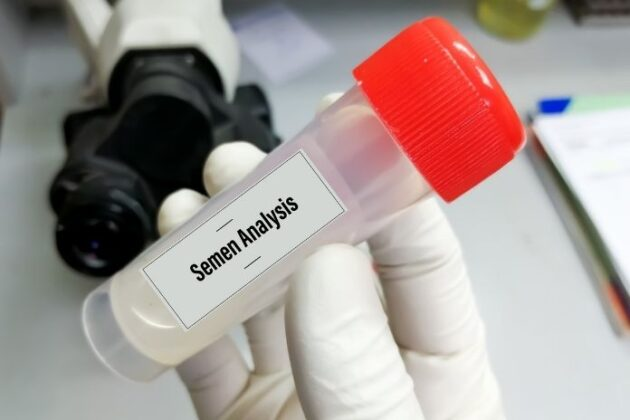
A sperm test is a laboratory assessment of a semen sample to evaluate the quantity and quality of the sperm. It is a fundamental diagnostic tool to ascertain male fertility health and can aid in identifying potential reproductive issues. This test typically measures several factors, including sperm count, motility, morphology, and volume of semen produced.
Parameters Assessed During a Sperm Test
Sperm Count
Sperm count refers to the number of sperm present in a given volume of semen. A higher sperm count increases the likelihood of fertilisation, making it an essential parameter in evaluating male fertility.
Sperm Motility
Motility is the ability of sperm to move efficiently. For successful conception, sperm must travel through the female reproductive tract to reach and fertilise the egg. Assessing motility can thus indicate the viability of sperm to achieve this crucial task.
Sperm Morphology
Morphology refers to the shape and structure of sperm. Abnormalities in sperm shape can affect the ability of sperm to penetrate and fertilise an egg, thereby impacting fertility.
Semen Volume
Analysing the volume of semen is significant as it can influence the overall sperm count expelled during ejaculation. Low semen volume might suggest potential issues with seminal fluid production or ejaculation ducts.
The Importance of Sperm Tests in Male Fertility
Sperm tests are imperative for diagnosing issues contributing to male infertility. They allow healthcare professionals to recommend appropriate treatments or interventions. Furthermore, these tests can assist couples in understanding their fertility status, facilitating informed decisions on family planning.
When Should a Sperm Test Be Conducted?
Typically, a sperm test should be considered if a couple experiences difficulty in conceiving after a period of regular, unprotected intercourse, often defined as one year. Early detection of fertility issues through semen analysis can help mitigate prolonged difficulties in conception.
Preparation for a Sperm Test
Preparing for a sperm test involves several steps to ensure the accuracy of results. Men are usually advised to abstain from ejaculation for at least two to five days prior to the test to optimise sperm concentration.
Collecting a Sample
Sample collection is another critical aspect of the test. It typically involves masturbation into a sterile container at a laboratory or designated facility to prevent contamination and ensure an accurate assessment.
Interpreting the Results
Understanding the results of a sperm test is crucial for addressing any fertility issues. A healthcare professional can interpret these results, indicating whether further tests or treatments are necessary.
FAQs on Sperm Tests
Are There Benefits to Regular Testing?
Regular sperm testing can be beneficial for men who wish to monitor their reproductive health. It can help identify changes in sperm quality and quantity over time, providing valuable insights into overall fertility health.
Can Lifestyle Affect Sperm Quality?
Lifestyle factors such as diet, exercise, stress levels, and exposure to toxins can significantly impact sperm quality. Adjusting these aspects can improve results, highlighting the importance of a healthy lifestyle for reproductive health.
What If Results Are Abnormal?
If a sperm test yields abnormal results, further assessment or alternative fertility treatments may be advised by healthcare professionals. Identifying the underlying cause is essential for personalised interventions.
Conclusion
Understanding and interpreting the outcomes of a sperm test are fundamental for addressing male fertility concerns. These tests provide essential insights into reproductive health, enabling informed decisions and effective treatment strategies. Thus, they are an invaluable resource for those experiencing challenges in conceiving.