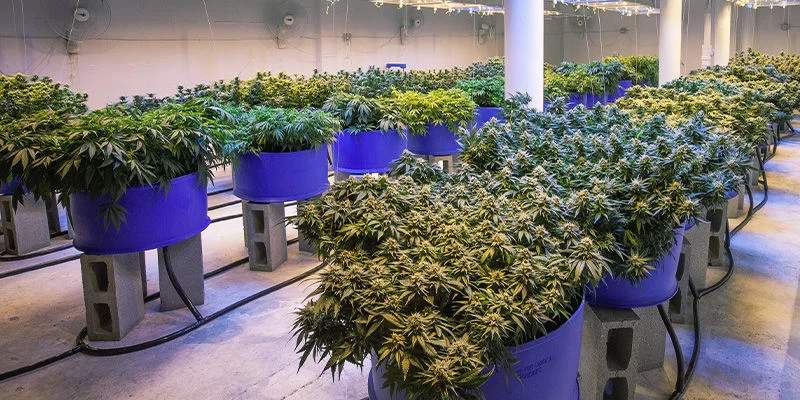
One of the most common questions new and experienced growers ask is why cannabis plants stretch — that is, why they suddenly shoot upward with long, lanky stems instead of developing a more compact, bushy structure. Stretching is a natural part of cannabis growth, and understanding why it happens and how to manage it indoors can make a big difference in plant health, space efficiency, and overall yield.
Cannabis stretching refers to the sudden vertical growth phase where the plants elongate significantly. Some stretch is normal — especially during the transition from vegetative growth to flowering — but excessive stretching can lead to weak stems, uneven light exposure, and lower bud production. The stretch phenomenon is influenced by a mix of genetics and environmental conditions, and growers can take steps to manage and reduce it in indoor grow spaces.
What Is Cannabis Stretching?
Cannabis stretching describes the vertical elongation of stems and internodes, particularly during early development and the early flowering phase. When a plant stretches, the space between nodes (the points where leaves and branches emerge) increases, resulting in taller plants with longer, thinner stems. This growth response can vary depending on genetics, including whether you are growing photoperiod varieties or autoflowering seeds, which tend to have a shorter and more predictable growth cycle.
Stretching is often most noticeable:
- During the early flowering stage, especially in photoperiod plants, a period is sometimes referred to as the “flowering stretch.” Autoflowering seeds can also stretch during their transition to flowering, though the effect is usually less dramatic due to their compact genetics.
- When plants are not getting sufficient light, they instinctively grow taller to reach a stronger light source.
- Under heat stress or inadequate environmental control, which can grow upward rather than healthy branching.
While some stretch is normal and even expected, excessive elongation can reduce yield and increase the risk of weak stems that struggle to support heavy buds, making early identification and control important for indoor growers.
Genetic Causes of Stretch
One of the biggest influences on how much a cannabis plant stretches is genetics. Different types of cannabis have distinct growth patterns:
- Sativa Strains: These are naturally tall with a greater tendency to stretch. Many sativa-dominant plants can grow tall, especially when given ample light.
- Indica Strains: Typically shorter and bushier, Indicas are less prone to dramatic stretching than sativas.
- Hybrids: These can vary widely in stretch depending on their lineage and genetic dominance.
Since genetics determine the plant’s inherent growth pattern, choosing the right strain for your available space is a proactive way to reduce unwanted stretching indoors.
Environmental Causes of Stretch
While genetics provide the baseline, environmental factors often trigger excessive stretching. Several key elements in an indoor grow setup influence plant height:
1. Light Quality and Intensity
Light is the most crucial factor affecting cannabis stretch. Plants naturally grow toward light – a process known as phototropism – so inadequate light levels can prompt tall, weak growth.
- Insufficient Light: When plants receive low light intensity, they grow taller to reach a stronger light source. This is often seen when the lights are too far from the canopy.
- Light Spectrum Matters: A spectrum with more blue light encourages shorter, bushier growth, while a red or orange-dominant spectrum can encourage tall vertical growth.
- Wrong Distance from Lights: If grow lights are positioned too far above the canopy, plants will stretch upwards in an attempt to reach the source. Regularly adjusting the height as your plants grow helps maintain proper exposure.
Using full-spectrum LED lights, or ensuring exposure to sufficient blue light during vegetative growth, promotes balanced, stocky development and reduces the plant’s instinct to elongate.
2. Temperature
Temperature plays a major role in plant growth behavior. High temperatures – generally above around 27–29 °C (80–85 °F) — encourage stretching, as plants attempt to increase their surface area to cool themselves through transpiration.
Maintaining a controlled temperature range — often around 20–28 °C (68–82 °F) depending on the phase of growth — helps prevent stress-induced stretching. Stable temperature control is especially important in indoor grow tents or rooms where heat can build up quickly from lighting systems.
3. Airflow and Ventilation
Good air circulation strengthens plant stems by simulating gentle wind, encouraging structural robustness and reducing the need to stretch vertically. Lack of airflow can create stagnation, making plants weaker and more prone to elongation.
Even simple oscillating fans can promote stronger stems and healthier plant architecture indoors, mimicking the natural breeze that outdoor plants experience.
4. Overcrowding and Competition
Overcrowded grow spaces force plants to compete for light and space, leading to competition-driven stretching. If plants are too close together, they may “outgrow” their neighbours in an attempt to capture more light, resulting in taller, thinner stems.
Maintaining appropriate spacing between plants not only improves light penetration and airflow but also reduces the competition that triggers unwanted vertical growth.
Other Stress-Related Causes
Environmental stress like sudden changes in conditions, transplant shock, or inconsistent humidity, can also trigger stretching as plants attempt to adapt. For example, plants transplanted late or exposed to large shifts in temperature may react by elongating stems more than expected.
How to Reduce Cannabis Stretch Indoors
Now that you understand why cannabis plants stretch, here are practical techniques to help control excessive stretch within an indoor grow setup.
1. Provide Optimal Lighting
- Use high-quality full-spectrum LED grow lights that include a strong blue light component for vegetative growth.
- Keep lights close enough to the canopy to provide ample intensity without causing heat damage; adjust the height as plants grow.
- Avoid lights that emit primarily red or orange spectrums during early growth phases, as this can encourage unnecessary vertical growth.
2. Maintain Ideal Temperature and Humidity
Keep temperatures within recommended ranges depending on the growth stage (around 20–28 °C or 68–82 °F) and avoid large fluctuations between day and night. Stable environmental conditions reduce stress signals that can cause stretch.
Using thermometers, hygrometers, and automated fans or air conditioners helps maintain stable grow room conditions.
3. Improve Airflow and Ventilation
Install oscillating fans to simulate natural wind that strengthens stems, and ensure your grow room has proper intake and exhaust ventilation to keep air fresh and temperatures regulated.
4. Space Plants Appropriately
Give each plant enough space so it doesn’t compete for light and air. Overcrowding motivates stretch as each plant attempts to outgrow its neighbours. Adequate spacing ensures more balanced growth and better bud development.
5. Use Plant Training Techniques
Training methods such as Low-Stress Training (LST), Screen of Green (ScrOG), or topping can redirect growth from vertical to lateral development. These techniques expose more of the plant to light and create a more even canopy, reducing the need for vertical stretch.
LST gently bends stems to encourage side branches, while ScrOG uses a screen to keep plants low and spread out, maximizing light exposure across the canopy.
6. Shorten the Vegetative Stage When Necessary
If you’re growing cannabis seeds in limited space and anticipate a dramatic stretch during flowering, consider shortening the vegetative phase to reduce final plant height. This helps keep plants within manageable limits while still allowing adequate development.
7. Choose Appropriate Strains
Selecting strains suited to your grow space can prevent excessive stretching. Indica or indica-dominant hybrids tend to stay more compact than pure sativas, making them a good choice for small indoor environments.
Conclusion
Cannabis plants stretch for a variety of reasons, primarily influenced by genetics and environmental conditions within an indoor grow space. While some stretching is normal, especially during the transition to flowering, excessive stretching can weaken stems, reduce airflow, and compromise overall yield if not addressed.
By understanding the causes — such as insufficient light, high temperatures, poor airflow, and overcrowding — growers can take proactive steps to minimize unnecessary stretch. Techniques like optimizing light quality and placement, managing temperature and humidity, using effective plant training, and selecting appropriate strains all contribute to healthier, more controlled plant growth.
With careful planning and proper environmental management, you can reduce unwanted stretching and help your cannabis plants thrive indoors.