Kitchen renovations involve hundreds of decisions, but few carry the same long-term consequences as choosing the benchtop surface. Cabinets can be repainted, appliances can be replaced, and lighting can be updated. The benchtop, however, is one of the most permanent elements in a kitchen. Once installed, replacing it usually requires significant demolition and cost.
Yet many renovation projects still end with homeowners regretting the stone they selected. The problem rarely comes down to poor materials; it usually comes down to the selection process itself. Many buyers choose Stone kitchen benchtops based purely on appearance, without considering how the stone will perform in their daily kitchen environment.
Understanding why these mistakes happen, and how professionals avoid them, can help ensure your benchtop is both beautiful and practical for years to come.
Why It Happens: Choosing Based on Appearance Instead of Performance
The most common reason homeowners end up with the wrong benchtop stone is simple: they choose it primarily for how it looks. Stone surfaces are visually striking. Natural patterns, dramatic veining, and polished finishes can make a strong design statement in a showroom. When people imagine their dream kitchen, they often focus on how the benchtop complements cabinetry, flooring, and splashbacks.
However, appearance alone does not determine whether a stone will perform well in a real kitchen.
Different stones behave very differently under everyday conditions. Some resist stains and scratches better than others. Some tolerate heat from cookware more effectively. Others require ongoing maintenance, such as sealing or specialised cleaning.
For example, engineered quartz surfaces are non-porous and highly resistant to stains, which makes them relatively low-maintenance in busy kitchens. Meanwhile, natural granite surfaces are durable and heat-resistant but typically require periodic sealing to maintain their resistance to stains and liquids. When homeowners focus only on the visual aspect of Stone kitchen benchtops, they may overlook these practical differences until after installation.
Hidden Causes: Showroom Lighting, Small Samples, and Quick Decisions
Another major factor behind poor benchtop choices is the environment in which people make the decision. Stone selection usually happens in showrooms. While these spaces are helpful for comparing materials, they also create conditions that can distort how the stone will actually look in your home.
Showroom lighting is often bright, neutral, and carefully designed to highlight the stone’s colour and pattern. In a real kitchen, lighting conditions may be very different. Natural daylight, under-cabinet lighting, and surrounding materials can all change how a stone appears.
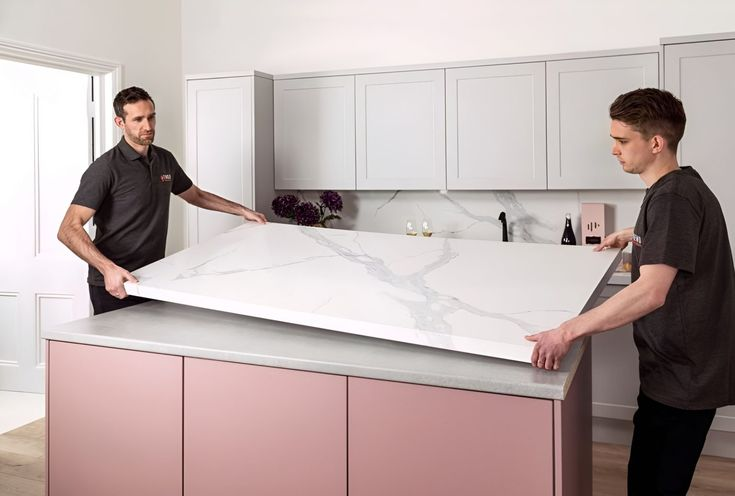
Sample size is another issue. Many buyers choose a slab based on a small hand-sized sample. Unfortunately, natural stone patterns vary across the full slab. What appears subtle on a small sample may become dramatically bold when installed across a large kitchen island. There is also often pressure to decide quickly. Renovation timelines can push homeowners to choose stone surfaces before they have fully considered durability, maintenance, and long-term use. These factors combine to create a situation where the aesthetic decision is made too early and with incomplete information.
What People Miss: Durability Ratings and Maintenance Requirements
Beyond visual appeal, stone benchtops differ significantly in how they perform over time.
Durability is one of the most overlooked factors when selecting kitchen surfaces. Kitchens are high-traffic spaces where surfaces are exposed to heat, moisture, oils, acidic foods, and heavy cookware.
Engineered quartz is widely known for its resistance to scratches and stains due to its non-porous structure, making it particularly practical for busy households. However, it is less tolerant of extreme heat because the resin used in its composition can be affected by high temperatures.
Granite, on the other hand, handles heat very well and is extremely durable. But because it is a porous natural stone, it generally requires sealing to prevent liquids from penetrating the surface. These differences matter because they directly affect how the benchtop will age. A stone that performs well in a display environment may behave differently in a kitchen where hot pans, spilled wine, and constant food preparation are everyday occurrences.
Maintenance is another factor people underestimate. Some surfaces require regular sealing or specific cleaning methods to maintain their appearance. Others require little maintenance but may show wear in different ways over time. Without understanding these characteristics, homeowners may select Stone kitchen benchtops that look stunning on installation day but become frustrating to maintain later.
The Risks of Ignoring Performance
Choosing the wrong stone is not just a cosmetic issue. It can affect how the kitchen functions every day. A benchtop that stains easily or scratches under normal use quickly becomes a source of frustration. What was initially a design centrepiece may begin to look worn or damaged after only a few years.
Another risk is aesthetic mismatch. Sometimes the stone simply looks different once installed across the full kitchen layout. The colour may clash with cabinetry, or the pattern may appear far busier than expected. Because stone benchtops are installed as large slabs, replacing them later is complex and expensive. Cabinets, splashbacks, and appliances often need to be removed before a new surface can be installed.
In many cases, homeowners simply live with the mistake. This is why professionals approach the selection of Stone kitchen benchtops differently from typical retail purchases.
How Professionals Approach Stone Selection
Experienced kitchen designers and stone specialists rarely begin with appearance alone. Instead, they follow a specification-first approach.
This process starts by understanding how the kitchen will actually be used. A family kitchen with heavy daily cooking has very different requirements from a minimalist apartment kitchen used mainly for light meal preparation. The stone must match the intensity of use.
Professionals typically evaluate several factors before recommending materials:
- Frequency of cooking
- Exposure to heat and heavy cookware
- Cleaning habits and maintenance preferences
- Household size and activity level
- Desired long-term durability
Once these functional requirements are understood, designers can narrow down suitable materials and finishes. Only after this step do they begin exploring aesthetic options. Ironically, this process often makes the visual decision easier. When the list of suitable materials is smaller, homeowners can focus on colours and patterns that truly work within the kitchen. This is why professionals emphasise performance when specifying Stone kitchen benchtops.
Practical Advice for Evaluating Stone Before Purchase
If you are selecting a benchtop for a renovation, there are several practical steps that can help you avoid common mistakes.
- First, view the full slab whenever possible. Small samples cannot accurately represent the variation or scale of natural stone patterns.
- Second, examine the stone under lighting conditions similar to your kitchen. If possible, take the sample home and view it at different times of day.
- Third, ask about maintenance requirements. Some stones require periodic sealing or specific cleaning products, while others are designed for minimal upkeep.
- Fourth, consider how the surface will be used. If you frequently cook with hot pans or acidic ingredients, certain materials may be better suited than others.
- Finally, consult professionals who specialise in Stone kitchen benchtops. Their experience can help identify materials that balance durability, aesthetics, and practicality.
These steps may add time to the selection process, but they significantly reduce the risk of choosing a surface that later becomes a regret.
Conclusion
In many kitchen renovations, the benchtop becomes the element homeowners regret most, not because the stone itself was poor, but because the selection process focused too heavily on appearance. Showroom lighting, small samples, and time pressure often lead buyers to choose materials without fully understanding how they will perform in daily use.
A better approach is to start with performance. When stone selection begins with durability, maintenance, and kitchen usage, the aesthetic decision becomes far more reliable. Choosing the right Stone kitchen benchtops is ultimately about balancing beauty with practicality. When the process is done correctly, the result is a surface that looks exceptional, performs reliably, and remains a permanent highlight of the kitchen rather than a permanent regret.
FAQs
1. What is the most durable stone for kitchen benchtops?
Engineered quartz and granite are among the most durable options. Quartz resists stains and scratches well, while granite offers excellent heat resistance.
2. Do stone benchtops require maintenance?
Some do. Natural stones like granite often require periodic sealing, while engineered quartz typically requires only routine cleaning.
3. Why do benchtop samples look different from installed stone?
Small samples may not reflect the pattern variation or scale of a full slab, especially with natural stone materials.
4. Can stone benchtops be replaced easily later?
Replacing a stone benchtop is difficult and expensive because it often requires removing cabinetry, sinks, and splashbacks.
5. What should I consider before choosing stone for a kitchen?
Key factors include durability, heat resistance, maintenance requirements, kitchen usage patterns, and how the stone appears in your home’s lighting conditions.