In the healthcare field, quick and effective response in emergency situations is critical to saving lives. One of the most important skills a healthcare professional can have is Basic Life Support (BLS). Whether you are starting your career as a Certified Nursing Assistant (CNA) or advancing your nursing education, gaining BLS certification can significantly enhance your ability to provide care in critical situations.
Why BLS Certification Matters for Healthcare Workers
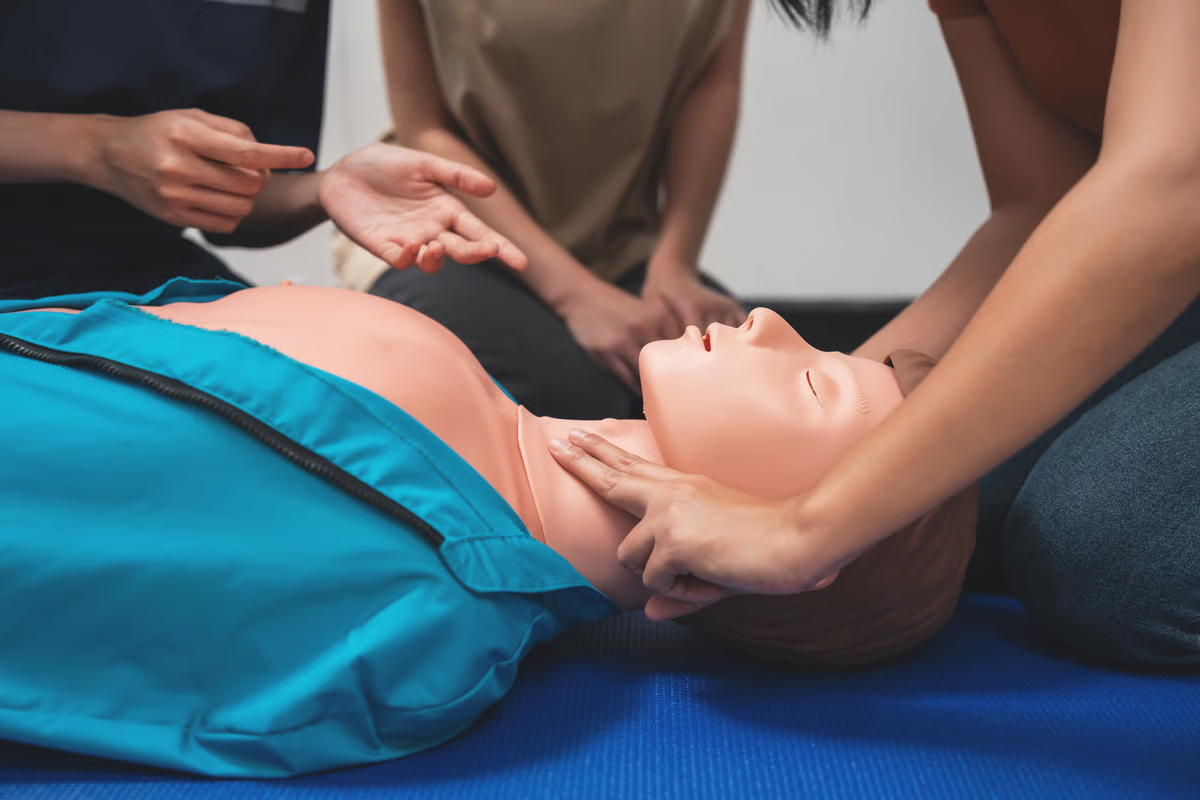
Healthcare professionals are often the first responders in medical emergencies. In these moments, having the ability to perform CPR, use an Automated External Defibrillator (AED), and provide life saving techniques is crucial. A Basic Life Support Class provides the foundational skills needed to handle such situations with confidence and precision.
- Saving Lives: BLS certification ensures healthcare workers are equipped to provide life saving interventions during cardiac arrest, choking, or other emergencies.
- Confidence in Crisis: With the proper training, professionals can act quickly and calmly in critical situations, helping to stabilize patients until advanced medical help arrives.
- Required by Many Employers: BLS certification is often a mandatory requirement for healthcare jobs, especially for those working in hospitals, nursing homes, and other patient care settings.
The Basic Life Support course is designed to prepare individuals with the skills and knowledge necessary for performing CPR and using an AED in a safe and effective manner.
Enhancing Your Healthcare Career With BLS Training
For CNAs and other healthcare workers, BLS certification is not just an essential life skill; it’s a career asset. With many training centers offering flexible in-person and online learning options, it has never been easier to gain this certification.
- In-Person and Online Options: Flexible learning formats allow you to choose the class schedule and environment that works best for you.
- Comprehensive Training: The course covers essential life saving techniques, including CPR for adults, children, and infants, as well as AED usage and how to handle choking emergencies.
- Boost Your Employability: Many healthcare employers require BLS certification, and having this credential on your resume makes you more competitive in the job market.
In addition to basic life support, many healthcare programs offer additional certifications, such as first aid and AED, which can further enhance your ability to respond effectively to emergencies. Basic Life Support Class is an important component of a broader training program that ensures you are well prepared for various medical situations.
CNA Training and BLS: A Powerful Combination
As a CNA, your role is to provide direct patient care, and being trained in both CNA duties and life saving techniques can greatly enhance your effectiveness as a caregiver. LA Skills Academy offers high quality CNA training, which prepares students for certification exams and equips them with practical skills for the job. Combining CNA training with BLS certification creates a solid foundation for a rewarding career in healthcare.
- CNA Responsibilities: CNAs assist patients with daily activities, monitor vital signs, and help with medical procedures under the supervision of nurses and doctors.
- BLS for CNAs: Having BLS certification allows CNAs to be ready in case of emergencies, from performing CPR to using an AED in life threatening situations.
Whether you are just beginning your journey in healthcare or looking to enhance your skills, obtaining both CNA certification and BLS training ensures that you are well equipped to handle a wide range of scenarios in patient care.
Nursing Education: Continuing to Grow and Serve
For those pursuing further education in nursing, understanding the importance of BLS and other life saving skills cannot be overstated. BLS certification is often required throughout a nursing career to ensure that nurses are capable of providing optimal care in emergency situations. With ongoing education, healthcare professionals can stay up to date with the latest life saving techniques, making them more effective in their roles.
- Career Progression: With BLS certification, healthcare workers are prepared for greater responsibilities and more advanced patient care.
- Staying Current: Continuing education in BLS and other healthcare certifications ensures that nurses and caregivers maintain a high standard of care in their work.
Conclusion
Basic Life Support is an essential skill for anyone working in healthcare. For CNAs, nurses, and other healthcare professionals, BLS training is a vital part of ensuring safety and providing top notch care in emergencies. With flexible training options and comprehensive coursework, it is easier than ever to gain the certifications needed for success in the healthcare industry. For anyone interested in enhancing their healthcare career, BLS certification is a step in the right direction.