Introduction
Dementia is becoming one of the most common health challenges among older adults worldwide. As more families face this condition, the demand for structured and reliable support continues to grow. In 2026, dementia care services for senior are no longer limited to basic supervision. They now focus on personalized care, emotional support, and advanced safety systems that help seniors live with dignity at home.
Families today are looking for care that not only manages symptoms but also improves daily life. This shift has led to stronger home-based care models, better-trained caregivers, and more use of technology in monitoring and support. In many communities, including areas offering senior dementia care at home in Fairfax, families are seeing how structured in-home services can make a real difference in quality of life.
Understanding Dementia and the Care Needs of Seniors
Dementia is not a single disease but a group of conditions that affect memory, thinking, and behavior. The most common type is Alzheimer’s disease, a progressive brain disorder that slowly impacts daily functioning. The Alzheimer’s disease is one of the leading causes of dementia worldwide.
How Dementia Progresses
Care needs change as the condition develops:
- Early stage: Mild memory loss and confusion
- Middle stage: Increased forgetfulness, difficulty with daily tasks, mood changes
- Late stage: Full-time care required for mobility, communication, and personal needs
Each stage requires different levels of support, which is why specialized care is important.
Why Specialized Care Matters
The World Health Organization highlights that dementia care must focus on safety, structure, and emotional well-being. General senior care is often not enough because dementia affects behavior, decision-making, and awareness in unique ways.
Key Services Offered in Dementia Care for Seniors in 2026
Personal Care and Daily Assistance
One of the main parts of care is helping with daily routines such as bathing, dressing, grooming, and eating. These services fall under personal care services, which ensure seniors maintain dignity while receiving necessary help.
Cognitive and Routine Support
Caregivers follow structured daily schedules to reduce confusion. Simple activities like memory games or familiar routines help seniors feel more secure.
Medication Management
Proper medication use is critical. Caregivers ensure prescriptions are taken on time and monitor any side effects or changes in behavior.
Safety and Supervision
Many seniors with dementia are at risk of wandering or falling. Continuous supervision helps prevent accidents and keeps the home environment safe.
Emotional and Social Care
Loneliness can worsen cognitive decline. Caregivers provide companionship, conversation, and emotional reassurance, which improves mental well-being.
How Technology Is Improving Dementia Care in 2026
Technology is playing a bigger role in modern dementia care services for senior than ever before.
Smart Monitoring Systems
Devices such as motion sensors and wearable trackers help caregivers monitor movement and detect unusual behavior patterns.
Telehealth Services
Virtual appointments allow doctors and specialists to check on patients without requiring travel. This is especially helpful for families managing long-term conditions.
Emergency Alert Systems
Fall detection systems and emergency buttons provide immediate support when accidents happen.
Data-Driven Care Planning
Care agencies now use digital tools to track behavior patterns and adjust care plans based on real-time information.
Benefits of Dementia Care Services for Seniors and Families
Better Quality of Life for Seniors
Familiar surroundings, routine care, and emotional support help seniors feel more comfortable and less confused.
Reduced Stress for Families
Family caregivers often experience burnout. Professional support provides relief and ensures consistent car.
Improved Safety at Home
Supervision and safety checks reduce risks such as falls, missed medications, or wandering incidents.
Emotional Stability
Regular interaction with caregivers helps reduce anxiety, depression, and agitation in seniors.
Support for Aging in Place
Many families prefer home care instead of moving loved ones into facilities. Services like senior dementia care in Fairfax make it possible for seniors to remain at home longer.
Challenges in Dementia Care Services
Cost Considerations
Care can be expensive depending on the level of support required. Families often need financial planning or insurance coverage.
Finding Skilled Caregivers
Not all caregivers are trained in dementia-specific care. Experience and certification are important factors.
Managing Behavioral Changes
Dementia can cause confusion, aggression, or mood swings. Caregivers must be trained to handle these situations calmly.
Long-Term Planning
Dementia is progressive, so care needs increase over time. Families must plan for changing requirements.
Northern Virginia Nurse Next Door: Personalized Dementia Care Support
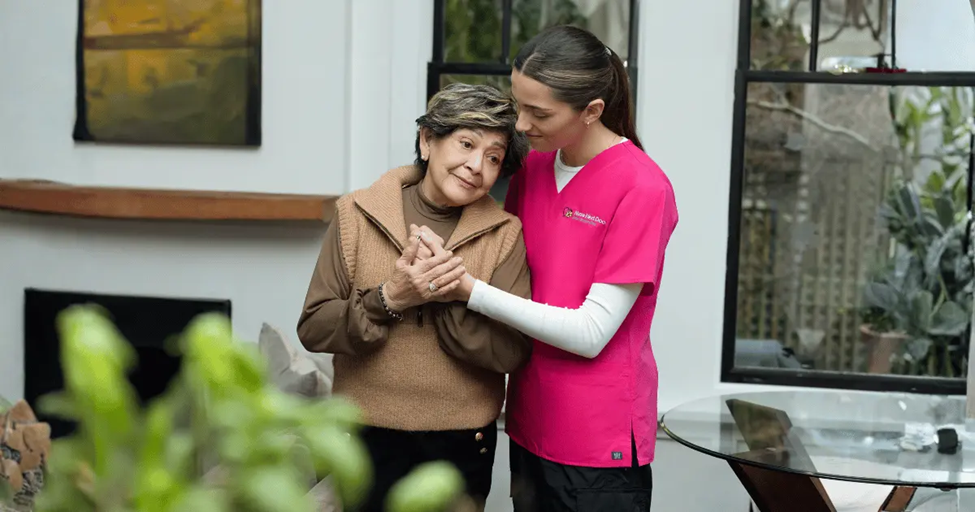
Nurse Next Door is a well-known provider of in-home senior care in Northern Virginia that focuses on personalized and compassionate support. Their approach is built around the idea of helping seniors live comfortably and safely at home.
A key feature of their service is that skilled home care provided by registered nurses (RNs) follows doctor’s orders, which are required for medical-level services. This ensures that care is safe, appropriate, and aligned with professional medical guidance.
Their caregivers are trained to support seniors with both medical and non-medical needs, including daily living assistance, companionship, and structured dementia care. Families seeking senior dementia care in Fairfax often consider providers like Nurse Next Door because of their flexible care plans and strong focus on individualized support. In many cases, senior dementia care in Fairfax is paired with ongoing family communication to ensure everyone stays informed about the senior’s condition and progress.
How to Choose the Right Dementia Care Services
Assess Care Needs Early
Understanding whether your loved one needs part-time or full-time care is the first step.
Ask About Training and Experience
Caregivers should have specific experience in dementia care, not just general elderly care.
Evaluate Safety Measures
Look for providers that offer monitoring systems and emergency response support.
Read Reviews and Local Feedback
Community trust is important when selecting a care provider.
Check Flexibility of Care Plans
As dementia progresses, care needs change. Flexible services ensure continuous support.
Conclusion
In 2026, dementia care services for senior are more advanced, structured, and compassionate than ever before. Families now have access to better-trained caregivers, improved technology, and more personalized home care options.
The focus is shifting toward comfort, safety, and emotional well-being rather than just medical management. With the right support system, seniors can continue living at home while receiving the care they need.
For families exploring options like senior dementia care in Fairfax, modern home care services offer a practical and reliable solution. As awareness grows and services improve, senior dementia care continues to play an important role in helping families manage dementia with dignity and confidence.