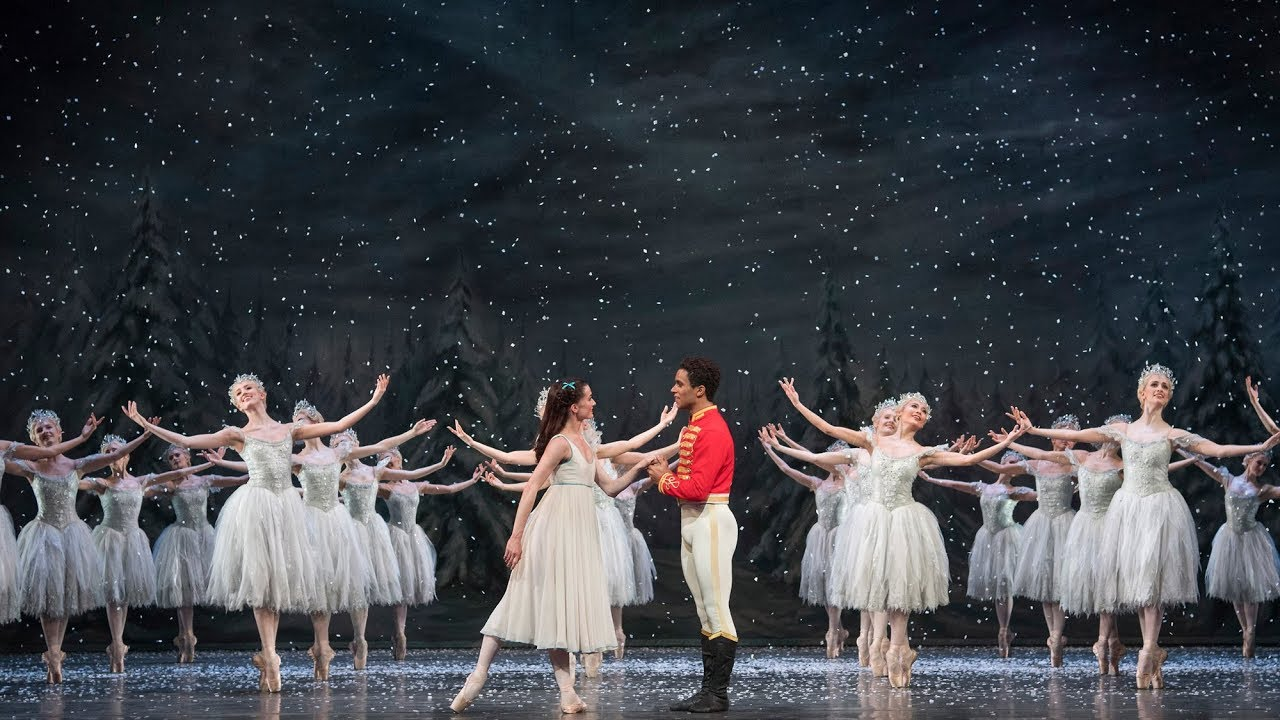
When audiences attend great dance performances, they often see only the polished final result: graceful movement, emotional storytelling, stunning costumes, and seamless coordination. What remains hidden is the immense creative and technical effort required to bring a production to life. Behind every memorable show is a team of choreographers, dancers, designers, technicians, and production specialists working together to transform an artistic vision into a live experience.
The Creative Vision Begins Long Before Opening Night
Every successful production starts with an idea. Sometimes it is inspired by a story, a historical event, music composition, or abstract emotion. Choreographers develop the concept, deciding how movement will communicate the intended message to the audience.
This early phase often includes selecting themes, planning the structure of the performance, and mapping out how individual pieces connect into a cohesive production. Music is chosen or commissioned, and choreographic sequences are built to reflect rhythm, mood, and narrative.
What audiences see on stage may appear effortless, but every movement has often been rehearsed and refined countless times. Precision, timing, and emotional expression are all shaped long before the curtain rises.
Choreography as the Foundation of the Performance
Choreography serves as the blueprint of any production. It defines not only movement but also spacing, transitions, pacing, and interaction among performers.
Creating choreography for major dance performances involves balancing artistry with practicality. Movement must look beautiful, but it must also suit the dancers’ abilities, the dimensions of the stage, and the overall technical design.
Choreographers often revise routines repeatedly during rehearsals. A sequence that works in a studio may need adjustments once costumes, props, lighting, or stage dimensions come into play.
This process requires experimentation and collaboration, where dancers also contribute interpretation and nuance that can elevate the original concept.
Rehearsals: Where Excellence Is Built
Rehearsal is where vision becomes reality.
Weeks or even months can be spent perfecting a production before an audience ever sees it. Dancers practice technique, endurance, synchronization, and emotional delivery. Every entrance, exit, lift, and transition must be coordinated with precision.
Rehearsals often move through several stages:
Studio Rehearsals
Initial sessions focus on learning choreography, refining movement quality, and developing consistency.
Ensemble Coordination
Group rehearsals bring performers together to synchronize spacing and timing, particularly important for large-scale productions.
Technical Rehearsals
Lighting, sound cues, set movement, and costume changes are integrated into the performance.
Dress Rehearsals
This full run-through simulates the final show and helps identify last-minute adjustments.
Many of the finest dance performances owe their success to this rigorous preparation process.
Costumes Do More Than Add Beauty
Costume design is not simply about aesthetics. It supports storytelling, movement, and visual impact.
Designers must create garments that fit the production’s style while allowing freedom of motion. Fabrics, colors, textures, and silhouettes all contribute to mood and character.
A classical ballet may require elegance and tradition, while contemporary productions may call for minimalism or experimental design.
Costumes must also be practical. Quick changes backstage, durability under demanding movement, and compatibility with lighting all matter.
The audience may admire costumes as part of the spectacle, but behind the scenes they represent careful planning and craftsmanship.
Lighting Creates Atmosphere and Emotion
Lighting plays a major role in shaping how a performance is experienced.
It directs focus, creates mood, highlights movement, and can transform the same stage into entirely different environments.
Warm lighting may suggest intimacy. Dramatic shadows may build tension. Dynamic changes can amplify energy during climactic moments.
Lighting designers work closely with choreographers and technical crews to ensure cues align precisely with movement and music.
In exceptional dance performances, lighting often becomes part of the storytelling itself.
Music and Sound Drive the Experience
Movement and music are deeply connected.
Whether using orchestral scores, modern compositions, live musicians, or experimental sound design, music shapes rhythm, pacing, and emotion.
Sound teams ensure balance and clarity, while choreographers often build movement structures directly around musical phrasing.
Even silence can be used intentionally.
What audiences experience as a seamless union of sound and motion is often the result of extensive coordination between artistic and technical teams.
Stage Design Brings Worlds to Life
Sets and staging can dramatically influence a production.
Some performances use elaborate scenic environments, while others rely on minimal design to focus attention purely on movement.
Set designers consider:
- Visual aesthetics
- Performer safety
- Scene transitions
- Spatial dynamics
- Integration with lighting and choreography
Every platform, backdrop, prop, or scenic element must support the performance rather than distract from it.
Even minimalist productions often involve thoughtful staging choices that enhance audience immersion.
The Role of Technical Production Teams
While performers take center stage, technical crews make the performance possible.
Stage managers coordinate the entire production, ensuring every cue happens at exactly the right moment.
Backstage crews manage:
- Set changes
- Props
- Lighting transitions
- Audio cues
- Costume changes
- Timing and logistics
Their work often goes unnoticed precisely because it runs smoothly.
Many outstanding dance performances depend as much on backstage precision as on what happens under the spotlight.
Physical Discipline Behind the Art
Dance demands tremendous athletic commitment.
Performers train not only artistically but physically, building strength, stamina, flexibility, and resilience.
Preparing for major productions often involves:
- Daily technique practice
- Conditioning and cross-training
- Injury prevention work
- Nutrition discipline
- Recovery routines
This physical preparation supports the consistency and endurance required for demanding productions.
The beauty audiences see on stage is often supported by years of disciplined training.
Collaboration Makes Great Productions Possible
No major performance is created alone.
Successful productions rely on collaboration among many specialists:
- Choreographers
- Dancers
- Directors
- Costume designers
- Lighting designers
- Musicians
- Stage managers
- Production crews
Each contributes expertise that shapes the final experience.
What makes top-tier dance performances remarkable is often this blend of artistic vision and collaborative execution.
Audience Experience Is Carefully Considered
Even the audience’s perspective is part of production planning.
Creators consider pacing, emotional arc, visual composition, and how the audience will engage with each moment.
Programs are structured to maintain energy and variety. Transitions are crafted to sustain immersion. Climactic moments are designed to leave lasting impressions.
Great performances do not happen by accident; they are carefully shaped for audience impact.
Innovation Continues to Transform Performance
Modern productions increasingly blend tradition with innovation.
Technology now expands creative possibilities through:
- Projection design
- Interactive staging
- Advanced lighting systems
- Multimedia integration
- Experimental sound environments
These tools allow artists to push boundaries while creating fresh experiences for audiences.
Yet even with innovation, the heart of powerful dance performances remains the same: movement, emotion, and human expression.
What Audiences Don’t See Matters Most
The standing ovation at the end of a performance often celebrates what happens on stage.
But behind that applause are months of preparation, problem-solving, creativity, and teamwork.
From concept development to final curtain call, staging exceptional productions requires far more than talent alone. It demands discipline, collaboration, technical precision, and artistic dedication.
That hidden world is what transforms movement into unforgettable live art.
The next time you watch extraordinary dance performances, it is worth remembering how much unseen work makes those moments possible. Behind every elegant turn and dramatic finale is a remarkable process that brings the magic of performance to life.